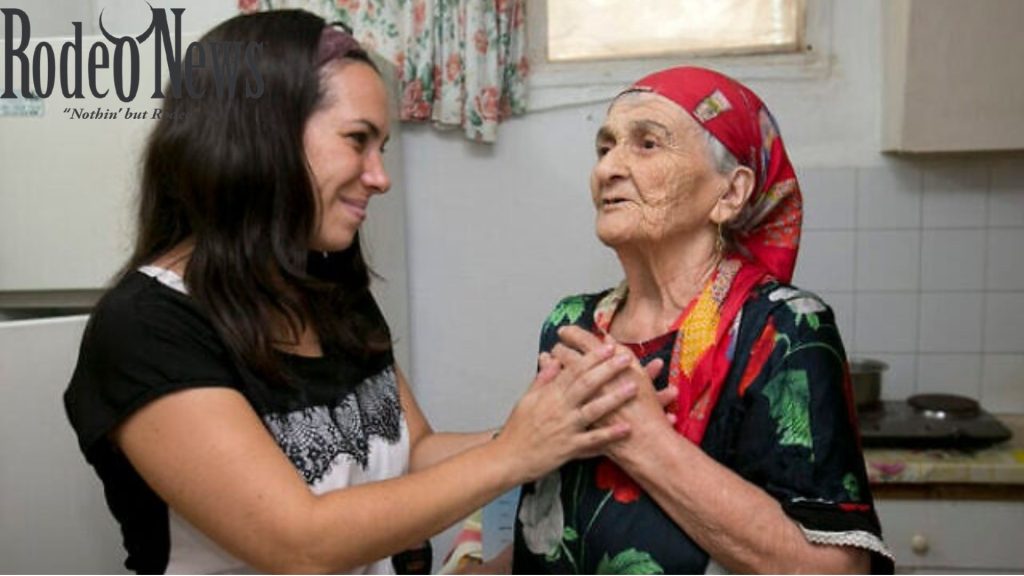
Israel’s Remarkable Rise in Life Expectancy
The average life expectancy in Israel has climbed to 83.8 years, according to recent data — placing the country 4th among the Organisation for Economic Co‑operation and Development (OECD) member states.
This increase is particularly notable given that Israel spends around 7.6% of its GDP on health care, a figure that is below the average for many developed nations.
What the Numbers Reveal
- The improvement spans both men and women, marking a dramatic rise from 2022 to 2023.
- Despite relatively lower health-spending as a share of GDP, Israel is achieving outcomes that rival much higher-spending systems
- A low infant-mortality rate is one of the supporting pillars for higher life expectancy. SHAR IN YOUR
Why It Matters
A life expectancy of 83.8 years indicates that Israelis, on average, can expect to live longer than the vast majority of people in other developed economies. It reflects broader strengths in preventive health, medical care access, and public‐health management.
The ranking also signals to policymakers, insurers, and health-care providers that high efficiency is possible even at moderate spending levels — offering a model worth studying.
Key Contributing Factors
Several factors appear to underlie this strong performance:
- Efficient health‐care system: Israel’s health infrastructure, universal coverage and system of non-profit insurers have long been cited as efficient and effective. Wikipedia+1
- Public health and preventive care: The relatively low infant‐mortality rate, strong primary care and chronic‐disease management support longer lifespans. The Times of Israel+1
- Cultural and lifestyle elements: Dietary patterns, social support structures, and health behaviours in Israel may also contribute to longevity, though these are harder to quantify precisely.
- Resilience and early medical intervention: The country’s health system is geared to respond to emergencies and has a strong baseline of care, which may limit mortality from acute and chronic conditions.
Challenges & Considerations
Nevertheless, higher life expectancy brings its own set of questions:
- Aging population pressures: As more people live longer, the demand for elder care, chronic‐disease management and long-term care will rise.
- Health‐spending sustainability: While efficiency is high now, maintaining or improving outcomes may require increased investment or innovation.
- Inequalities in outcomes: Although the national figure is strong, disparities may exist across socio‐economic, ethnic or regional groups — something that requires ongoing attention.
Looking Ahead
For Israel to keep this upward trend, several areas merit attention:
- Strengthening preventive measures focused on non‐communicable diseases like heart disease, diabetes and cancer.
- Expanding eldercare infrastructure and integration between acute care and long-term support services.
- Addressing social determinants of health, such as income inequality, education and lifestyle differences across population groups.
- Monitoring health‐system reforms to ensure that high efficiency is maintained even as system demands grow.
In summary, Israel’s leap to a life expectancy of 83.8 years, ranking 4th in the OECD, is a significant achievement — especially given its relatively moderate health‐spending. It underscores how a well‐organised health system, good public‐health practices and efficient care models can deliver strong outcomes.
If you like, I can pull in the full data for the top-10 OECD countries for life expectancy, show trends over the last decade for Israel, and compare health-spending vs outcomes. Would you like that?