Belarus Seeks to Reopen Doors to EU After Thaw with Washington
In recent weeks, Belarus has quietly launched a diplomatic push toward the European Union, signaling an intent to reverse years of political isolation. The outreach coincides with a noticeable warming in relations between Minsk and Washington — a shift that European diplomats view with both interest and caution.
A Shift After Isolation
Since Belarus’s government crushed mass protests following a disputed election in 2020, European Union nations imposed successive sanctions. When Minsk backed Russia’s 2022 invasion of Ukraine, those sanctions hardened, and Belarusian diplomats have largely been persona non grata in Brussels and other European capitals.
Yet Belarus is now attempting to change that narrative.
Diplomacy in Action
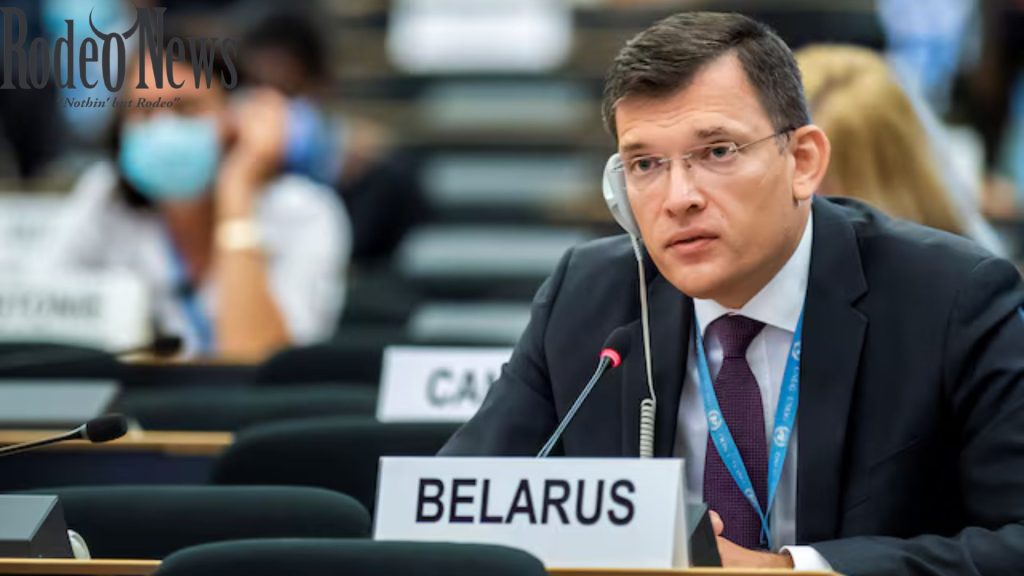
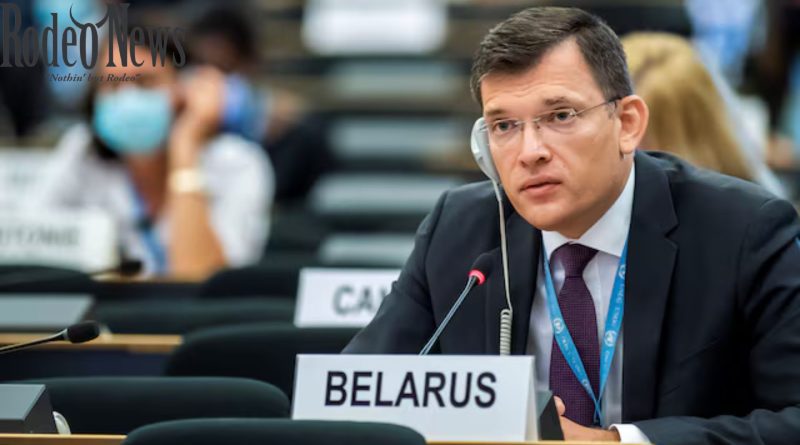
Yuri Ambrazevich, a former deputy foreign minister now serving as Belarus’s ambassador to the Vatican, has begun reaching out formally to European capitals. At the end of September, his office sent invitations to diplomats in several EU countries, requesting meetings in Paris during early October to discuss a “rebalancing” of Belarus’s foreign ties.
Ambrazevich is described internally as being “informally responsible for coordinating Belarusian diplomatic contacts in Western Europe.” Some countries have accepted his overtures; others remain silent.
His message — relayed via confidential channels to European diplomatic missions — is that Belarus seeks to reposition itself as a potential interlocutor in matters of regional security, including the Russia–Ukraine conflict.
The U.S. Connection
The Belarusian push to open channels with Europe comes on the heels of a notable reset between Minsk and Washington. Since President Trump took office, American engagement with Belarus has increased — including diplomatic visits, phone calls with President Alexander Lukashenko, and the release of over 50 political prisoners in September in exchange for eased sanctions on Belarus’s state airline, Belavia.
Trump has praised Lukashenko publicly and signaled interest in reducing Belarus’s dependence on Moscow. U.S. policymakers are viewing this as an opportunity to pry the country from Russia’s orbit — or at least create space for a more independent foreign policy.
European Reaction: Doubt and Vigilance
European officials have largely greeted Belarus’s overture with suspicion. Lukashenko remains deeply tied to Russia — militarily, economically, and politically. Even as he seeks to “open lines of communication” with EU states, Belarus continues to coordinate joint military drills with Moscow, and in September floated plans to build a nuclear plant serving Russian-occupied parts of Ukraine.
Critics also point to the simultaneous arrest of opposition figures in Belarus, undermining any notion of democratic reform. Some European diplomats argue that Belarus’s charm offensive is opportunistic: it may be a bid to use the U.S. reset as leverage to push for sanctions relief.
Minsk’s main hopes lie in restoring access to Baltic ports for its potash exports and undoing sanctions targeting that key industry. But Baltic states and pro-democracy exiles are adamantly opposed to lifting restrictions without substantial, irreversible reforms.
What Lies Ahead
For Belarus, the attempt to recalibrate relations with Europe is not guaranteed success. Trust is fragile, and the EU’s fundamentals — human rights, democratic norms, rule of law — remain red lines. Any thaw will require sustained, credible progress on those fronts.
But by stepping forward now, amid shifting U.S. engagement, Minsk is testing the waters. Whether the EU responds with cautious openness — or rebuffs the move — will depend on how convincing any promised reforms prove to be