Israel Maintains Gaza Border Closure, Reduces Aid Over Hostage Body Dispute
AMMAN, Jordan — Tensions rose once again in Gaza on Wednesday as Israel held firm on keeping a critical border crossing closed and halved the delivery of humanitarian aid, citing delays in the handover of hostage remains by Hamas. The move comes amid a fragile ceasefire brokered by the United States, now under strain just days after taking effect.
Despite earlier media reports suggesting the Rafah crossing, which links Egypt and Gaza, would be reopened, an Israeli security official told NPR that it remained shut. The source, speaking anonymously due to lack of authorization to comment publicly, said flatly: “Contrary to reports, the Rafah crossing did not open today.”
The border has been closed since Israeli forces seized the Gaza side of the crossing in 2024. Its reopening was expected as part of a broader ceasefire arrangement aimed at easing the humanitarian crisis in the enclave and facilitating the exchange of hostages and detainees.
Aid Cut in Half Despite Ceasefire Promise
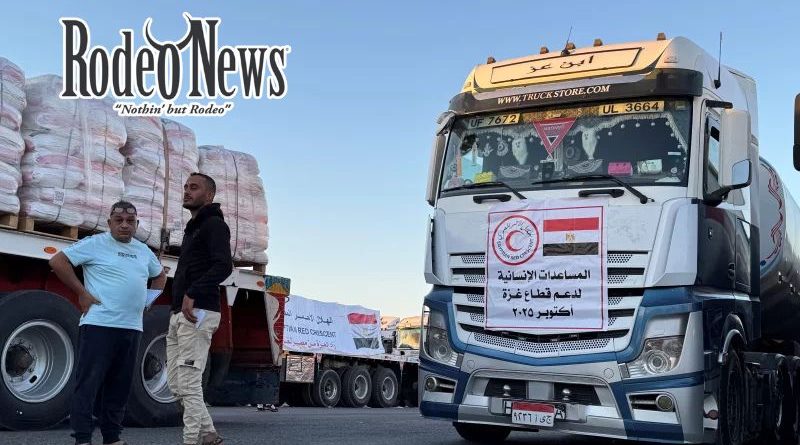
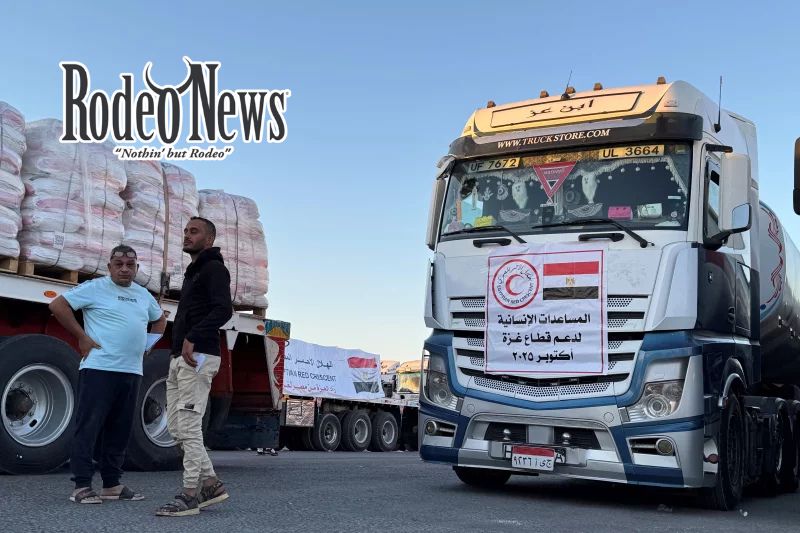
Under the terms of the recent truce, Israel had pledged to allow up to 600 aid trucks per day into Gaza — the minimum required to prevent the spread of famine, according to humanitarian agencies. But that commitment was revised on Tuesday when Israeli authorities notified the United Nations that only 300 trucks per day would be permitted starting Wednesday.
Olga Cherevko, spokesperson for the U.N. Office for the Coordination of Humanitarian Affairs in Gaza, confirmed the new restriction and said fuel and gas shipments would remain tightly limited.
The Israeli military agency overseeing the border crossings stated the reduced aid was a response to Hamas allegedly breaching the ceasefire terms by delaying the return of the bodies of Israeli hostages killed during the conflict.
Hostage Remains Dispute Intensifies
So far, Hamas has transferred eight bodies to the International Committee of the Red Cross, which in turn handed them over to Israel. However, Israeli officials claim this falls short of the ceasefire agreement’s expectations. Under the deal, Hamas was to return all known remains by Monday or, failing that, provide detailed information and make full efforts to recover and deliver them promptly.
The militant group has stated it is still working to locate an additional 20 bodies, citing challenges due to Israeli airstrikes over the past two years that have destroyed burial sites or rendered them inaccessible.
In a further complication, the Israeli military announced Wednesday that one of the four bodies recently received did not match the DNA of any known Israeli hostage, raising questions over identification and the accuracy of the transfers. No further details were released on the identity of the body.
Ceasefire Holds, But Tensions Simmer
Although the ceasefire largely held across the territory on Wednesday, Hamas accused Israel of launching minor attacks in breach of the agreement. Israeli officials have denied these claims but have maintained military presence in over 50% of the Gaza Strip, warning civilians to avoid six specific zones in the north and south deemed “active conflict areas.”
The withdrawal of Israeli ground forces began on October 10, shortly after the ceasefire took effect, prompting tens of thousands of displaced Palestinians to begin returning to their homes — many of which have been reduced to rubble.
Prisoner and Body Exchanges Continue
As part of the truce, 20 Israeli hostages were released by Hamas earlier in the week. In exchange, Israel freed over 1,900 Palestinian detainees, including children, women, and long-term prisoners. More than half of the released individuals were sent into exile, a condition that has sparked criticism from human rights groups.
Additionally, there was an agreed formula for the exchange of bodies — with Israel agreeing to return 15 Palestinian bodies for every Israeli body it receives. To date, only 45 Palestinian remains have been returned, and local forensic teams in Gaza are working to confirm identities.
International Pressure Mounts
The ongoing delays and aid restrictions have drawn concern from humanitarian organizations and diplomatic observers who fear that any further escalation or perceived violations could derail the fragile ceasefire. The U.S., Egypt, and Qatar — key mediators in the agreement — are reportedly working behind the scenes to preserve the terms of the deal.
With famine looming, fuel scarce, and tens of thousands of displaced families still without homes, the international community continues to urge all sides to honor the agreement and prioritize humanitarian needs.