A Fragile Truce: What the Ceasefire Deal Entails
On October 9, 2025, Israel and Hamas officially agreed to the first phase of a ceasefire plan, mediated by Qatar, Egypt, Turkey, and the United States.
This phase covers several key steps:
- Troop withdrawal: Israel will pull back forces to a previously agreed line covering roughly 53% of Gaza.
- Hostage-prisoner exchange: Hamas will surrender the remaining Israeli captives—around 48 in total—within 72 hours of withdrawal. In return, Israel will free hundreds of Palestinian prisoners, including women, children, and long-term detainees.
- Humanitarian access: Gaza’s border crossings with Egypt will reopen, allowing aid and reconstruction materials to flow in
- Monitoring and transition: A joint task force (U.S., Qatar, Egypt, Turkey) will oversee compliance. The plan hints at future governance structures and security frameworks for Gaza.
Israeli Prime Minister Benjamin Netanyahu lauded the deal’s approval by his government’s cabinet as a breakthrough Across Gaza, Palestinians celebrated cautiously, aware of past failed truces and the scale of destruction around them.
Key Players’ Responses and Tensions
United States & Trump’s Role
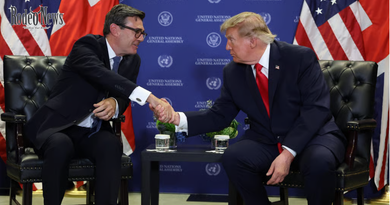
Former President Donald Trump played a central role, unveiling a 20-point plan on September 29 and pressing both parties to sign on. He called the agreement a “historic achievement” in Middle East diplomacy.
Trump has also urged Hamas to act quickly in returning hostages and pledged to be present at the handover.
Hamas
Hamas officials have said they received guarantees from mediators and U.S. parties that the war in Gaza is over under this agreement. Khalil Al-Hayya, a senior Hamas figure, described it as full cessation of hostilities.
Israel’s Internal Struggles
While the Israeli Cabinet approved the outline, opposition remains. Some far-right ministers oppose releasing Palestinian prisoners and warn of security risks.
Netanyahu has signaled that Israel might reverse the ceasefire if hostages are not returned by agreed deadlines.
Risks, Uncertainties & What’s Next
This deal is only the first phase. Many critical questions remain:
- Disarmament of Hamas: There is no clear roadmap yet for how — or when — Hamas’s military wings will be dismantled.
- Gaza governance: Who rules Gaza next is unsettled — the Palestinian Authority, technocrats, or international administrators are all possibilities.
- Durability of the truce: Past ceasefires have broken down. Ensuring adherence will require monitoring, enforcement, and incentives.
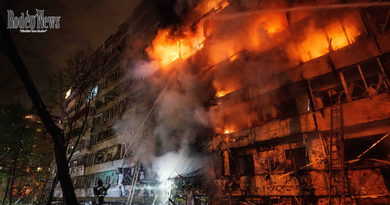
- Human reconstruction: Gaza is heavily damaged, with mass casualties and infrastructure destroyed. The scale of aid and rebuilding is massive.
- Political backlash inside Israel: Far-right groups may withdraw support or sabotage implementation if they see compromises as too risky.
If all goes as planned, hostages should be released within days, Israeli troops start withdrawing in 24 hours, and aid begins flowing
Still, the agreement’s success hinges on both sides keeping faith — something that has eluded past efforts for both parties.
Final Thought
This ceasefire deal is a breakthrough—at least in its ambition and the goodwill it has generated. But it is far from complete. If implemented fully, it could mark a turning point for Gaza’s future. But the path is narrow, fraught with trust issues, political divisions, and the heavy toll of war.