Strait of Hormuz Crisis: 5 Key Facts Revealed
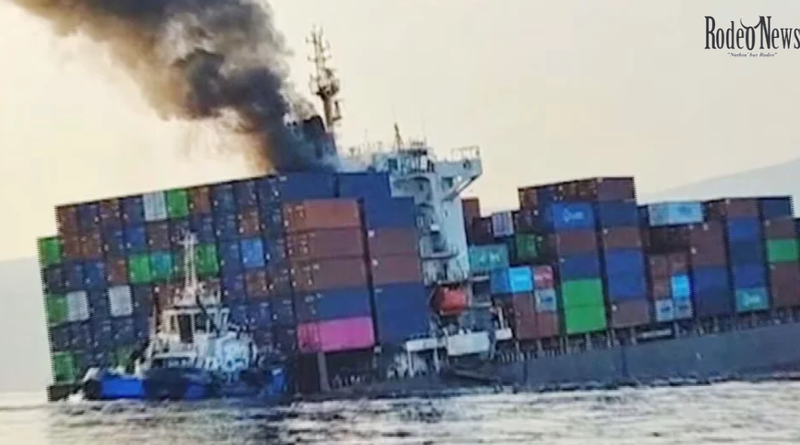
The Strait of Hormuz crisis is raising fresh concerns about global energy supplies, commercial shipping security, and the economic consequences of the ongoing conflict involving Iran and the United States. As attacks on vessels in and around the strategic waterway intensify, disruptions to oil shipments are creating additional uncertainty for energy markets and policymakers.
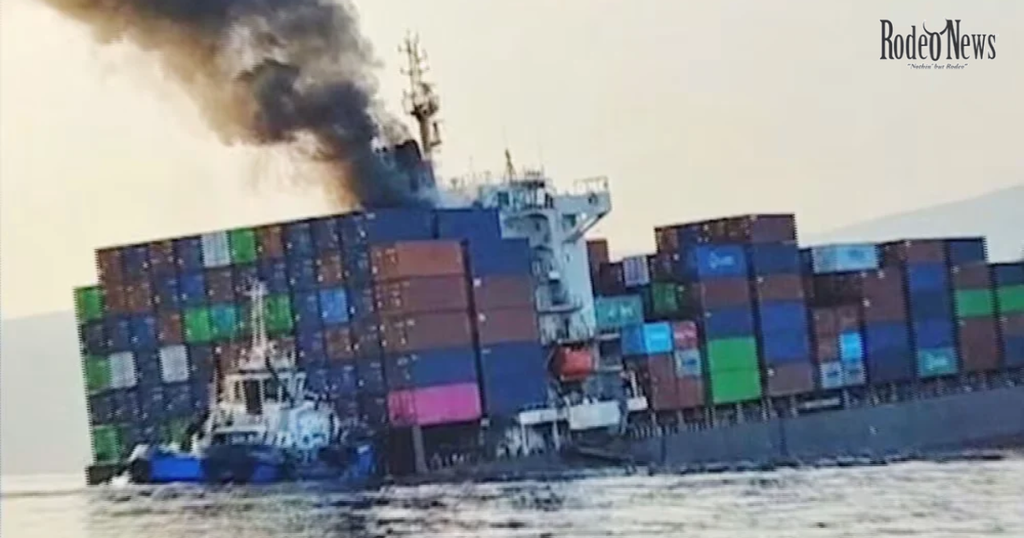
A Reuters report published on October 14, 2026, said Iranian officials described changes in their country’s tactics against shipping. The officials also linked the strategy to efforts to keep oil prices elevated and influence the political environment ahead of the U.S. midterm elections. These statements reflect the officials’ accounts and should be distinguished from independently verified conclusions about Iran’s objectives.
Reuters
The developments come at a sensitive moment for the global economy. Energy prices affect transportation, manufacturing, food distribution, and household budgets. Consequently, a prolonged disruption to one of the world’s most important maritime energy corridors could have consequences far beyond the Middle East.
Here are five key facts about the Strait of Hormuz crisis, its implications for oil markets, and the political and economic challenges facing the United States.
1. Why the Strait of Hormuz Crisis Matters to the World
The Strait of Hormuz is a narrow maritime passage connecting the Persian Gulf with the Gulf of Oman and the wider Arabian Sea. It serves as a critical route for energy exports from major oil-producing countries in the Middle East.
Before the current conflict, approximately one-fifth of global oil consumption passed through the strait, according to widely cited energy market estimates. The waterway also handles significant volumes of liquefied natural gas, making it important to international energy security.
Investing.com
+1
The geography of the passage makes it particularly sensitive to military escalation. Commercial vessels must navigate a relatively confined area, meaning threats to tankers can affect shipping decisions even when the waterway has not been completely closed.
Shipping companies may delay voyages, reroute vessels where possible, or reconsider whether the risks of entering the area justify the potential returns. Insurers can also adjust premiums to reflect heightened security concerns.
These decisions can reduce the volume of oil reaching international markets without requiring a total interruption of maritime traffic.
For importing countries, the consequences may include higher energy costs and uncertainty about future supplies. For exporting countries, disruptions can limit their ability to deliver oil to customers and generate revenue.
The Strait of Hormuz crisis therefore represents more than a regional security problem. It is a potential source of instability for the interconnected global energy system.
2. Iran Is Changing Its Approach to Shipping Attacks
The reported escalation has raised questions about how Iran intends to exert pressure on the United States and its regional partners.
According to Reuters reporting published October 14, Iranian officials said the country had changed the tactics and frequency of attacks against vessels it considers to be violating restrictions imposed by Tehran. The report also described activity extending beyond the strait into nearby Gulf waters.
Reuters
A separate Washington Post report published October 8 described an increase in attacks on vessels and a sharp decline in oil shipments through the waterway following a brief recovery in traffic. The report cited maritime data from the United Nations and shipping analytics firm Kpler.
The Washington Post
These developments illustrate the difficulties involved in maintaining safe commercial passage during an armed conflict.
Even when naval forces escort merchant vessels, they cannot necessarily prevent every attack. The threat of further incidents can also influence decisions made by shipowners, crews, insurers, and energy traders.
However, the reported Iranian strategy should be understood in context. Statements from officials about their objectives do not independently establish the full reasoning behind every military operation. Assessing the situation requires examining verified incidents, shipping data, official statements, and responses from other parties.
For international shipping companies, the immediate concern is whether vessels can travel through the region safely and predictably.
If attacks continue, operators may face higher operating costs, delayed deliveries, and greater uncertainty about when normal commercial activity can resume.
3. How the Strait of Hormuz Crisis Could Affect Oil Prices
Oil markets are highly sensitive to changes in supply expectations. When traders believe that a major export route may become less accessible, prices can rise as markets account for the possibility of tighter supplies.
The Strait of Hormuz crisis has placed this risk at the center of energy market discussions.
The waterway’s importance means that even a partial disruption can have consequences for the global oil trade. Producers may still have crude available, but moving it to international customers becomes more difficult when shipping routes are threatened.
A Washington Post report on October 8 said oil prices rose by approximately 5% during a period of renewed attacks, with Brent crude reaching about $105 per barrel. The same report described a sharp fall in the volume of crude moving through the strait after shipments had approached prewar levels.
The Washington Post
These figures describe conditions reported at that time, not a guaranteed current market price.
Oil prices can change rapidly as traders respond to military developments, diplomatic negotiations, inventory data, production decisions, and expectations about future demand.
There is also an important distinction between crude oil prices and the prices consumers pay for gasoline, diesel, and other fuels.
Retail prices depend on several factors, including refining capacity, distribution costs, taxes, local competition, and the time required for changes in crude prices to move through the supply chain.
Therefore, a rise in international crude prices does not necessarily translate into an immediate or identical increase at every fuel station.
Nevertheless, a prolonged disruption to the Strait of Hormuz could increase pressure on energy markets, particularly if exporters struggle to maintain deliveries or buyers compete for alternative supplies.
What higher oil prices mean for consumers
The economic effects can extend beyond filling up a vehicle.
- Transportation: Higher diesel prices can increase the cost of trucking and freight services.
- Air travel: Airlines may face higher fuel expenses, potentially contributing to increased fares.
- Food distribution: Fuel and logistics costs can affect the movement of agricultural products and groceries.
- Manufacturing: Businesses that rely on petroleum-based materials or energy-intensive processes may face additional expenses.
- Household budgets: Higher transportation and energy bills can leave consumers with less money for other purchases.
The eventual impact depends on how long disruptions last, how companies respond, and whether alternative supplies can offset the shortfall.
4. Why the Crisis Matters Ahead of the U.S. Midterm Elections
Energy prices have become an important economic and political issue in the United States as the country approaches its November 2026 midterm elections.
When gasoline and other essential goods become more expensive, households may feel the effects directly. Businesses can also pass some higher operating costs on to customers, creating additional pressure on household budgets.
Reuters reported on October 14 that Iranian officials connected their shipping strategy to efforts to keep oil prices elevated and influence the U.S. midterm elections. That reported intention is an attributed claim, not proof that Iran can determine American voting behavior.
Reuters
The political implications nevertheless warrant attention because the administration must address both national security and economic concerns.
The U.S. government faces competing priorities. Protecting commercial shipping and deterring attacks are important security objectives, while preventing prolonged energy disruptions is a significant economic concern.
At the same time, decisions about military operations can carry their own risks. A wider conflict could threaten additional infrastructure, create further uncertainty for markets, and increase the costs associated with regional security operations.
Diplomatic engagement may offer another route to reducing tensions, although negotiations can be complicated by disagreements over security, sanctions, maritime access, and military activities.
For voters, the relevant issues include the cost of living, the government’s approach to the conflict, the consequences for American national security, and the potential financial burden of a prolonged confrontation.
It is too early to determine how these issues will affect individual voting decisions or election results. Those outcomes depend on numerous factors beyond oil prices, including local economic conditions, candidates, policy debates, and voter priorities.
5. What Happens Next in the Strait of Hormuz Crisis?
The future of the crisis will depend on several interconnected developments.
Shipping security and naval operations
The ability of commercial vessels to travel through the strait safely will remain a central factor.
Naval escorts and other protective measures may help some vessels transit the area, but their effectiveness depends on the nature of the threats and the scale of military activity.
A sustained decline in attacks could improve confidence among shipping companies. Conversely, further incidents may discourage operators from sending vessels through the region.
Maritime monitoring data will be important for determining whether reported attacks are increasing or decreasing and whether shipping volumes are recovering.
Diplomatic negotiations
Diplomatic efforts could influence the level of risk facing commercial shipping.
Potential agreements might address maritime passage, military activity, sanctions, or broader security disputes. However, any arrangement would depend on the willingness of the parties to make commitments and implement them.
Statements expressing support for negotiations should not be confused with a confirmed agreement. The details and implementation of any proposed settlement would need to be verified.
Oil supply and alternative routes
Energy producers, importers, and traders will also monitor whether supplies can be maintained through alternative routes or other transportation arrangements.
Some countries possess infrastructure that can move a portion of their oil exports without passing through the Strait of Hormuz. However, alternative pipelines and export facilities cannot necessarily replace the full capacity of the waterway.
Strategic petroleum reserves may help importing countries manage temporary disruptions, depending on their available stocks and government policies.
The effectiveness of these measures will depend on the scale and duration of the disruption.
The outlook for global energy markets
Energy markets will continue responding to both physical supply conditions and expectations about future developments.
If shipping activity improves and security risks diminish, prices could come under downward pressure. If attacks intensify or exports fall further, markets may face renewed upward pressure.
Neither outcome is guaranteed. Investors, businesses, and governments will need to evaluate developments as reliable information becomes available.
Global Economic Risks Extend Beyond Oil
The Strait of Hormuz crisis demonstrates how regional conflicts can affect economies thousands of miles away.
Higher energy costs can influence inflation, transportation expenses, industrial production, and consumer spending. The effects may be especially difficult for countries that depend heavily on imported fuel or have limited financial resources to absorb sudden price increases.
Developing economies can face additional challenges when higher import bills place pressure on foreign exchange reserves and government budgets.
However, the overall impact will vary by country. Nations differ in their energy sources, fuel subsidies, strategic reserves, domestic production, and ability to switch suppliers.
Businesses may also respond differently. Some can absorb higher costs temporarily, while others may increase prices, reduce operations, or delay investment.
This uncertainty makes reliable reporting and transparent market information especially important. Readers should distinguish between confirmed shipping disruptions, estimates of potential economic damage, and predictions about future prices.
For policymakers, the challenge is to limit immediate economic harm while avoiding decisions that could worsen the security situation.
For consumers, monitoring fuel prices and broader inflation trends can help explain how international developments affect everyday expenses.
Conclusion: Why the Strait of Hormuz Crisis Deserves Attention
The Strait of Hormuz crisis sits at the intersection of maritime security, international energy markets, and U.S. domestic politics.
Reported attacks on commercial shipping have raised concerns about the reliability of oil deliveries through a waterway that handles a substantial share of global energy trade. At the same time, rising energy costs have increased the economic stakes for households and businesses as the United States approaches its midterm elections.
Iranian officials have described a strategy intended, in part, to maintain pressure through shipping disruptions and elevated oil prices. Those claims provide insight into their stated objectives, but the situation remains fluid and requires careful assessment of independently verified evidence.
The coming weeks will be shaped by shipping security, oil supply conditions, military decisions, and the prospects for diplomatic engagement.
Ultimately, the duration and severity of the disruption will matter more to the global economy than any single headline. A sustained recovery in maritime traffic could ease some pressure, while prolonged instability could create additional risks for energy markets and consumers.
For now, the crisis remains an important story to follow because its consequences extend well beyond the waters of the Persian Gulf.