Porsche Revival Plan: 7 Bold Moves to Restore Profits
Porsche’s revival plan is taking shape as the German luxury automaker attempts to rebuild profitability, strengthen its premium brand identity and respond to a challenging global car market. Under CEO Michael Leiters, the company is pursuing a more disciplined business strategy built around higher-priced vehicles, stricter performance expectations, lower operating costs and a renewed focus on exclusive sports cars.
The strategy, known as Sportwagenschmiede ’35, sets out Porsche’s ambition to become more profitable and operationally efficient through 2035. Rather than prioritizing sales volume alone, the company wants to sell vehicles with stronger profit potential while simplifying its organization and concentrating on what makes its brand distinctive.
The shift comes after a difficult financial period marked by weaker demand in China, pressure from U.S. tariffs, costly adjustments to its electric-vehicle strategy and a sharp decline in operating profit. Porsche’s challenge is to restore financial strength without weakening the exclusivity and engineering reputation that have helped it command premium prices.
According to Porsche’s official strategy announcement , the company intends to combine a more desirable product lineup with cost reductions, organizational changes and greater financial discipline. The plan could reshape how Porsche develops its cars, rewards employees and competes in the luxury automotive market.
1. Porsche Revival Plan Targets More Expensive Luxury Cars
One of the central pillars of Porsche’s revival plan is a shift toward higher-value vehicles. The company wants to increase revenue and profitability by appealing more strongly to customers who are willing to pay extra for exclusivity, performance and personalization.
According to The Wall Street Journal, Porsche aims to raise the average price of its 10,000 most expensive cars sold annually from approximately $300,000 to $370,000. That represents an increase of around 23%.
The strategy reflects a broader change in the company’s priorities. Instead of relying primarily on selling more vehicles, Porsche wants to generate greater value from the cars it already sells and from exclusive models aimed at wealthy buyers.
This approach could include limited-production sports cars, highly customized vehicles and special editions designed to appeal to collectors. Porsche’s Sonderwunsch personalization program, which allows customers to commission distinctive vehicles, is another potential source of higher-margin business.
The approach resembles the strategy used by Ferrari, where scarcity, customization and a carefully managed product portfolio help support premium pricing.
However, Porsche faces a different challenge. Its product range extends beyond traditional sports cars into SUVs and other segments that serve a broader customer base. The company must therefore increase exclusivity without making its core lineup less accessible to loyal buyers.
Success will depend on whether customers perceive the new vehicles as genuinely desirable rather than simply more expensive.
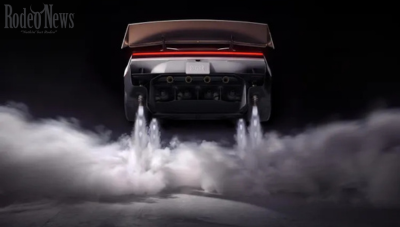
2. New Supercars Could Strengthen Porsche’s BrandNew high-performance vehicles are expected to play an important role in the company’s long-term recovery.
Porsche has introduced the Mission S concept as part of its broader ambition to expand its presence in the high-end sports-car market. The project signals a willingness to explore products positioned above established models such as the iconic 911.
The company is also considering a broader range of exclusive and limited-production vehicles. These models could attract collectors and wealthy customers who place a premium on distinctive designs, engineering and rarity.
A successful supercar program could deliver benefits beyond direct sales. High-profile vehicles can generate publicity, reinforce brand prestige and influence how customers perceive the wider product lineup.
Nevertheless, developing new vehicles requires substantial investment and time. Porsche cannot depend on new models to solve its financial challenges immediately, particularly when development programs often take years to reach production.
The company must balance its ambition to introduce more desirable cars with the need to control spending and improve returns on investment.
That balance will be central to the Porsche revival plan as management attempts to restore the company’s financial performance.
3. A More Expensive Three-Row SUV Is in Development
Porsche is also looking beyond traditional two-door sports cars.
According to the Wall Street Journal report, the automaker is developing a three-row SUV positioned above the Cayenne. The vehicle would give Porsche an opportunity to compete in an even more expensive segment of the premium SUV market.
The move could help the company reach customers seeking luxury, space and performance in a single vehicle.
Large luxury SUVs have become important products for premium automakers because they can attract buyers who want practical everyday transportation without sacrificing status or driving capability. Porsche’s existing SUV lineup has already helped the brand reach customers beyond its traditional sports-car audience.
A larger flagship SUV could build on that position.
However, the timing presents a challenge. The new vehicle is not expected to arrive before 2029, according to the reporting. Consequently, it is unlikely to provide an immediate solution to Porsche’s current profitability problems.
The company will need to improve its existing business while preparing products intended to deliver stronger returns in the future.
Porsche must also ensure that expanding into a larger SUV category does not dilute its identity as a performance-focused luxury brand. Maintaining that distinction will be essential if it wants customers to accept higher prices.
4. Porsche Tightens Employee Bonuses and Office Attendance
The Porsche revival plan extends beyond vehicles and pricing. It also involves changes to workplace expectations and employee compensation.
Under CEO Michael Leiters, the company is placing greater emphasis on individual responsibility and financial performance. Employee bonuses are expected to become more closely linked to business results rather than being viewed as a predictable annual payment.
The company has also reduced the monthly allowance for remote work from 12 days to eight under its agreement with employee representatives.
These changes reflect management’s effort to create a more performance-oriented organization. The argument is that employees should have a clearer connection between their contributions, the company’s results and their financial rewards.
Yet the measures may prove controversial.
Performance-based compensation can encourage accountability, but it can also create uncertainty for employees when a company’s financial results are affected by external factors such as tariffs, exchange rates or weakening consumer demand.
Similarly, reducing remote work may help some teams collaborate more closely, but its effectiveness depends on the nature of the work and the needs of individual departments.
Porsche will need to communicate these changes carefully to maintain employee engagement during a period of substantial organizational restructuring.
The long-term question is whether a more demanding workplace culture can improve productivity and decision-making without undermining the expertise and commitment needed to develop premium vehicles.
5. Job Reductions and Cost Controls Remain Central
Porsche is planning a significant reduction in its workforce as part of its wider restructuring.
The company’s agreements with employee representatives include plans to reduce approximately 9,000 jobs by 2035, primarily through measures such as natural attrition, retirement arrangements and voluntary departures. The company has also committed to protecting core employment and its German sites through the end of that period under the agreed framework.
These measures illustrate the scale of the changes required to improve efficiency.
Porsche’s management wants to create a leaner organization with fewer layers of administration, faster decisions and greater accountability. Reducing personnel costs is one part of that objective.
However, workforce reductions do not automatically translate into better performance. The company must ensure that critical engineering, manufacturing and product-development capabilities remain strong.
This is particularly important in the automotive industry, where manufacturers face complex technological transitions, intense competition and increasing pressure to develop products that satisfy different regional markets.
Porsche must also continue investing in its German operations. Its announced strategy includes €2.1 billion in cumulative investment at the Zuffenhausen and Weissach sites through 2035.
The company is therefore attempting to reduce costs while preserving the technical expertise and manufacturing capabilities that underpin its competitive position.
That combination will require careful execution.
6. Electric Vehicles and Market Challenges Complicate the Recovery