
Kelly Clarkson’s Brooklyn Store Feud Takes New Turn
The Kelly Clarkson Brooklyn store feud has drawn widespread attention after the singer publicly criticized a boutique in Brooklyn Heights, New York, over an alleged uncomfortable shopping experience involving an expensive mechanical bird. What began as a disagreement between a celebrity and a small business has since developed into a broader debate about customer service, online backlash, and the influence of celebrity social media posts.
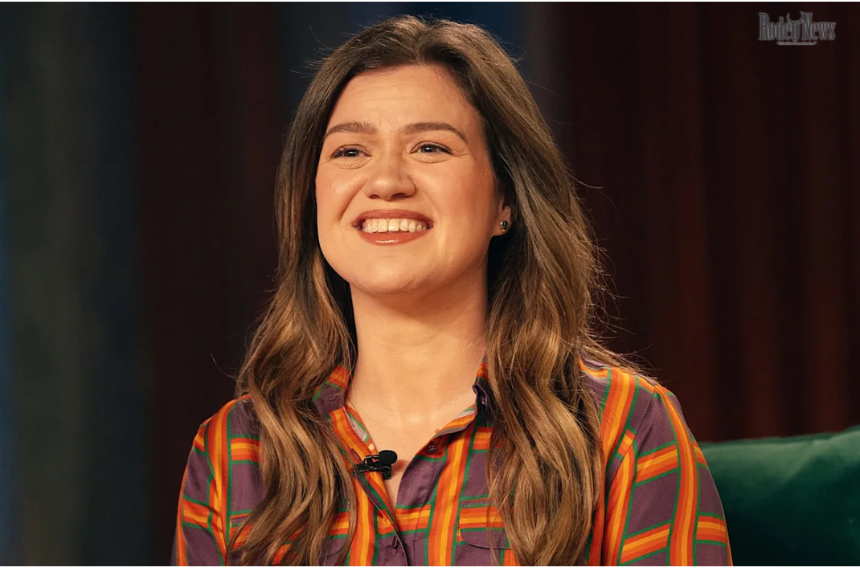
Clarkson, known for her music career and her work as the host of The Kelly Clarkson Show, accused employees at Art of Play of treating her dismissively when she visited the store intending to purchase several items. The incident quickly attracted attention online, with customers and fans debating whether the singer had been treated unfairly or whether the situation had been misunderstood.
The store has disputed Clarkson’s account, offering a different explanation for the interaction. As both sides continue to defend their positions, the controversy has raised questions about how quickly a local business can become the center of a national conversation.
How the Kelly Clarkson Brooklyn Store Feud Began
The dispute began on October 10, 2026, when Clarkson shared her frustration about a visit to Art of Play, a specialty store known for unusual toys, puzzles, games, and curiosities.
In her social media post, Clarkson said she had traveled to Brooklyn to explore the shop and purchase items she found interesting. However, she claimed that an employee treated her as though she could not afford the merchandise she wanted.
According to Clarkson, the employee suggested finding something comparable instead of selling her the item she had asked about. She interpreted the interaction as condescending and compared the experience to the famous shopping scene in the 1990 film Pretty Woman, starring Julia Roberts.
The reference resonated with many social media users because the movie features a character who experiences dismissive treatment while shopping before returning to demonstrate what the store employees had underestimated.
Clarkson’s criticism quickly spread, putting the Brooklyn business under intense public scrutiny.
The $15,000 Mechanical Bird at the Center of the Dispute
At the heart of the Kelly Clarkson Brooklyn store feud is a distinctive mechanical singing bird named Molly.
Art of Play explained that Molly is a unique automaton used as part of the store’s magic shows. According to the business, the piece is permanently displayed in the shop and was not intended to be sold.
The store said employees explained the situation to Clarkson and offered to show her alternative products. It also stated that the artist responsible for the bird could provide a nearly identical piece for approximately $15,000.
The business further claimed that it offered to show Clarkson another mechanical singing bird that could be purchased for around $2,000.
Clarkson challenged the store’s explanation, maintaining that a price tag displaying $15,000 had been visible near the item. She subsequently accused the business of being dishonest about the conversation and the bird’s availability.
The conflicting accounts have become a central part of the controversy. While the store insists that Molly was not for sale, Clarkson maintains that the interaction gave her reason to believe otherwise.
Neither side’s public statements have fully resolved the disagreement over what was communicated during the visit.
Art of Play Responds to the Backlash
Following Clarkson’s criticism, Art of Play addressed the controversy through social media.
The store expressed surprise at the scale of the reaction, explaining that a single celebrity post had brought widespread attention to a small, independent business.
According to published reports, co-owner Adam Rubin said the store began receiving threatening phone calls and negative online reviews after the incident gained traction.
Rubin also expressed concern for employees’ safety, arguing that the situation had gone beyond an ordinary customer complaint.
The business maintained that its staff had attempted to explain the product’s status and offer alternatives. It also emphasized that the controversy had created consequences for employees who were now facing public criticism.
The dispute illustrates the challenges small businesses can encounter when a disagreement becomes a viral story. A celebrity’s large audience can bring immediate attention to a complaint, but that attention can also lead to criticism that extends beyond the original incident.
Security Footage Adds Another Layer to the Controversy
The release of surveillance footage added another development to the ongoing Kelly Clarkson Brooklyn store feud.
The video, reported by news outlets including CBS New York, shows Clarkson entering the store, approaching the mechanical bird, speaking with employees, and eventually leaving.
The footage suggests that her visit lasted approximately five minutes.
However, the recording has no audio. As a result, it cannot establish precisely what was said, how the conversation unfolded, or whether either party’s description of the exchange is accurate.
Although the footage provides a visual account of the encounter, the central disagreement remains unresolved.
The absence of audio is particularly significant because Clarkson’s complaint centers on the employee’s alleged tone and the way the product’s price and availability were communicated.
Without a complete record of the conversation, viewers are left to evaluate the available evidence alongside the statements made by both sides.
Social Media Divides Over Celebrity Influence
Public reaction to the dispute has been mixed.
Some social media users have supported Clarkson, arguing that customers should be treated respectfully regardless of their appearance, occupation, or purchasing power. Others have questioned whether publicly identifying the store was an appropriate response to an encounter that remains disputed.
The controversy has also drawn attention to the consequences of online criticism for independent businesses.
When a widely recognized public figure names a business in a negative post, the resulting attention can be difficult to manage. Even people who have never visited the establishment may form opinions based on a short account of the incident.
At the same time, customers increasingly use social media to share experiences and hold businesses accountable for their service.
The challenge lies in distinguishing legitimate criticism from online harassment, particularly when important details remain uncertain.
Clarkson has defended her support for small businesses, explaining that she was visiting one because she wanted to purchase items. Her position reflects a broader point: supporting independent retailers does not mean customers should remain silent when they believe they have been treated poorly.
Nevertheless, the dispute highlights the importance of considering the potential impact of public accusations on workers and business owners.
What Happens Next in the Kelly Clarkson Brooklyn Store Feud?
The Kelly Clarkson Brooklyn store feud remains a story about competing accounts, customer expectations, and the power of online attention.
For Art of Play, the immediate concern has extended beyond explaining the availability of a mechanical bird to addressing the backlash directed at its staff.
For Clarkson, the incident has become a highly visible example of how an ordinary shopping experience can turn into a public controversy.
The situation also serves as a reminder that viral footage does not always provide the complete context needed to settle a disagreement. Although the surveillance recording shows parts of the encounter, its lack of sound prevents it from confirming the precise details at issue.
Ultimately, the dispute may depend less on the bird itself than on how the interaction was handled and how both parties responded afterward.
Whether the controversy leads to a reconciliation or continues to generate debate, it has already highlighted the complicated relationship between celebrity influence, customer service, and the vulnerability of small businesses in the social media age.
For now, both sides maintain their respective positions, leaving the public to weigh the available information while the discussion continues.