Jalen Hurts Blood Clot: 5 Key Eagles Updates
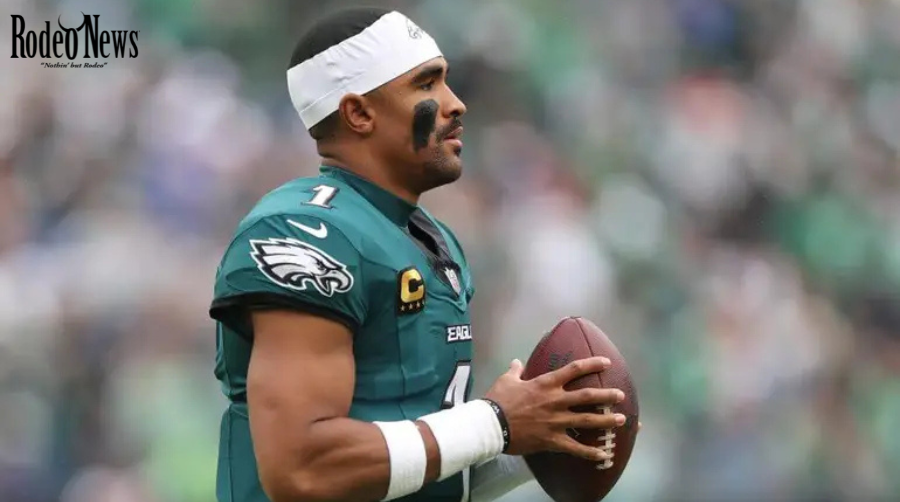
The Jalen Hurts blood clot situation has become a major concern for the Philadelphia Eagles heading into Week 6 of the 2026 NFL season. The team announced on Thursday, October 15, that its starting quarterback would miss Sunday’s matchup against the Carolina Panthers after a follow-up ultrasound revealed movement in a small superficial blood clot in his calf.
The development changes Philadelphia’s plans for a game that already carries importance for a team looking to reverse its recent slide. Hurts had played against the Jacksonville Jaguars in London despite the initial discovery of the clot, but the latest medical examination prompted the Eagles to hold him out while they determine the appropriate treatment.
The team has not provided a timetable for his return. Instead, Philadelphia has emphasized that Hurts’ health and safety remain the priority as its medical staff evaluates the situation.
The announcement also places backup quarterback Tanner McKee in line to lead the offense against Carolina. With the Eagles managing several injury concerns, Hurts’ absence adds another challenge to a team seeking greater consistency.
Here are five key developments surrounding the Jalen Hurts blood clot situation, the medical timeline disclosed by Philadelphia and what the quarterback’s absence means for the Eagles.
1. Jalen Hurts Will Miss the Eagles’ Week 6 Game
The most immediate development is Hurts’ confirmed absence from Philadelphia’s game against the Carolina Panthers on Sunday, October 18.
The Eagles announced the decision on October 15 after reviewing the results of a follow-up ultrasound. According to the team’s statement, the latest examination showed movement in the small blood clot that doctors had discovered before Philadelphia’s previous game.
The decision came after Hurts had practiced fully on Wednesday. He had also played against the Jacksonville Jaguars on October 11, following an earlier medical evaluation in London.
Philadelphia’s medical staff initially determined that Hurts could safely participate in that game. However, doctors recommended another ultrasound within 72 hours of the matchup and the team’s return flight to Philadelphia.
The follow-up examination changed the situation.
In its official statement, the Eagles said Hurts would be unavailable for the Panthers game while the organization determined the appropriate course of treatment. The team did not disclose the precise location of the clot beyond identifying it as superficial or explain exactly what the reported movement meant medically.
That distinction is important. The Eagles have confirmed the finding and Hurts’ immediate unavailability, but they have not released enough clinical information to establish how serious the condition will be over the longer term.
For Philadelphia, the priority is now managing the quarterback’s condition before determining when he can resume football activities.
Read the team’s announcement in the official Philadelphia Eagles statement.
2. How the Jalen Hurts Blood Clot Was Discovered
The timeline began with a calf problem following Philadelphia’s Week 4 loss to the Los Angeles Rams on October 4.
According to the Eagles, Hurts visited the team’s training room on Thursday, October 8, requesting treatment. He told medical staff that he believed he had been struck by a cleat during the Rams game.
Hurts had practiced fully on Wednesday and Thursday before seeking treatment. He received additional care on Friday and continued practicing, although he was subsequently added to the team’s injury report.
The Eagles then traveled to London for their Week 5 matchup against Jacksonville.
On Saturday, October 10, medical staff arranged an ultrasound after the team’s flight and walkthrough. That examination revealed a superficial blood clot in Hurts’ leg.
The Eagles said their medical staff and doctors in London reviewed the results and concluded that activity and mobility were important and that Hurts could safely play. The doctors also recommended a follow-up examination after the game and return flight.
Hurts subsequently played against the Jaguars on October 11. He completed 21 of 40 passes for 220 yards and one touchdown in Philadelphia’s 19-17 defeat, according to Reuters’ reporting on the injury.
After returning to Philadelphia, Hurts received treatment on Monday and Tuesday and participated fully in Wednesday’s practice.
However, Wednesday night’s follow-up ultrasound revealed movement in the clot. The Eagles then ruled him out for the following Sunday’s game.
The sequence explains why Hurts could play in London but was later ruled unavailable despite completing a full practice. The medical information changed, and the team adjusted its decision accordingly.
3. What Is a Superficial Blood Clot?
The Eagles described Hurts’ condition as a superficial blood clot, but they have not disclosed its precise location, extent or treatment plan.
In general, a superficial blood clot forms in a vein close to the surface of the skin. These clots differ from deep vein thrombosis, which involves veins located deeper within the body and can carry a risk of serious complications.
The distinction does not mean every superficial clot is harmless. Its location, size, proximity to deeper veins and other individual factors can affect the potential risks and treatment decisions.
An injury may contribute to inflammation or damage in the affected area. However, the Eagles have not publicly confirmed that the contact Hurts experienced against the Rams directly caused the clot.
The team has also not explained whether the movement seen on the follow-up ultrasound means the clot changed position, changed in size or reflected another finding. Without that information, outside observers cannot reliably determine the implications.
Medical professionals may use imaging and other clinical information to assess a clot and decide whether monitoring, medication or another approach is appropriate. The specific decision depends on the individual case.
For Hurts, the important confirmed fact is that the latest scan prompted Philadelphia to remove him from Sunday’s lineup while the medical staff determines what should happen next.
Readers can find additional background in the American Heart Association’s information on venous thromboembolism, which explains the risks associated with blood clots and related conditions.
It is important not to assume that Hurts has deep vein thrombosis or a pulmonary embolism. Neither condition has been announced by the Eagles.
4. Tanner McKee Is Expected to Lead Philadelphia’s Offense
With Hurts unavailable, backup quarterback Tanner McKee is expected to start against Carolina.
McKee, 26, has served as a reserve in Philadelphia and now faces an opportunity to take the offense into a regular-season game while the starting quarterback is sidelined.
The situation presents a significant responsibility. Hurts is central to Philadelphia’s offensive identity because of his passing ability, mobility and role in the team’s running game.
Replacing him requires more than reproducing his passing statistics. The Eagles may need to adjust their offensive approach, play selection and use of quarterback runs to suit McKee’s strengths.
The coaching staff must also determine how to manage the offense against a Carolina defense preparing for a different starting quarterback than the one Philadelphia originally expected to field.
McKee has limited regular-season experience compared with Hurts. According to Reuters, he had not appeared in a game during the 2026 season before this matchup.
That makes preparation especially important. Communication with the offensive line, timing with receivers and decision-making under pressure will all be key factors.
Philadelphia could also explore additional quarterback depth depending on roster availability. However, any roster moves or changes to the depth chart should be confirmed through official team announcements.
The immediate challenge is straightforward: Philadelphia must prepare for Carolina without its established starter while ensuring that Hurts receives the medical attention required.
5. When Could Jalen Hurts Return?
The question most Eagles supporters want answered is when Hurts will be able to play again.
As of October 16, the team has not announced a return date. Its public statement only confirms that he will miss the Panthers game while the medical staff determines the appropriate treatment.
The absence of a timeline means it would be premature to assume he will return for the next game or miss several weeks.
The appropriate recovery period depends on information the team has not disclosed, including the precise characteristics of the clot, its location and the treatment recommended by his doctors.
Some superficial blood clots can improve over a relatively short period, while others require closer monitoring or medication. The treatment plan can also affect whether an athlete can safely participate in a collision sport such as professional football.
For example, some blood-thinning medications can increase bleeding risks during contact sports. Whether such medication is appropriate for Hurts has not been confirmed publicly, so it should not be assumed to be part of his treatment.
Philadelphia also has a responsibility to consider the consequences of returning too quickly. A quarterback’s importance to the team does not eliminate the medical risks associated with an unresolved condition.
The most reliable indicators of progress will be updates from the Eagles, any new information from Hurts or the team, and confirmation that medical staff have cleared him to resume football activities.
Until that information becomes available, his return remains uncertain.
What Hurts’ Absence Means for the Eagles’ Season
Hurts’ absence comes at a challenging time for Philadelphia.
The Eagles entered the Week 6 matchup with a 2-3 record following three consecutive defeats, according to Reuters. The team therefore has sporting reasons to seek a strong response against Carolina, but the quarterback situation complicates its preparations.
Hurts’ role extends beyond conventional passing production. His ability to run with the ball, extend plays and contribute near the goal line can influence how opposing defenses prepare for Philadelphia.
A replacement quarterback may change the way those plays are designed. The coaching staff could place greater emphasis on quick decisions, traditional passing concepts or other approaches that suit McKee’s experience.
The offensive line and receiving corps will also have to adapt to the circumstances. Timing and communication become particularly important when a backup takes over without having accumulated regular-season repetitions with the starting offense.
At the same time, Philadelphia cannot allow the urgency of its season to dictate Hurts’ medical treatment.
The organization must balance its competitive objectives with the need to protect its franchise quarterback. That means waiting for medical guidance rather than setting a public return target before the necessary evaluations are complete.
The Panthers game will provide an opportunity to see how the offense functions under different circumstances. It will not, by itself, determine how long Hurts will remain unavailable.
Key Questions About the Jalen Hurts Blood Clot
Did Jalen Hurts play after doctors found the clot?
Yes. The Eagles said an ultrasound in London revealed the superficial blood clot before their October 11 game against Jacksonville. The medical staff and doctors in London reviewed the results and determined that he could safely play at that time.
Why was Hurts ruled out after practicing fully?
A follow-up ultrasound on Wednesday night revealed movement in the clot. The Eagles responded by ruling him out for the Panthers game while determining the appropriate treatment.
Has Philadelphia announced how long he will be out?
No. The team has not provided a timetable for his return. His availability for subsequent games remains uncertain.
Is a superficial blood clot the same as deep vein thrombosis?
No. A superficial clot forms in a vein near the skin’s surface, while deep vein thrombosis involves a deeper vein. Both require appropriate medical assessment, and the seriousness of a superficial clot depends on individual clinical factors.
Who is expected to start in Hurts’ place?
Backup quarterback Tanner McKee is expected to lead Philadelphia’s offense against Carolina.
Final Takeaway
The Jalen Hurts blood clot situation has created an unexpected challenge for the Philadelphia Eagles as they prepare for Week 6.
The team has confirmed that a superficial clot was discovered after Hurts reported calf discomfort following the Rams game. Doctors initially cleared him to play against Jacksonville, but a subsequent ultrasound revealed movement in the clot, prompting Philadelphia to rule him out against Carolina.
The Eagles have not disclosed the exact clinical findings, specified the treatment plan or established a return date. Those details will be essential to understanding the length of his absence.
For now, Tanner McKee is expected to take over at quarterback while the team evaluates its options. Philadelphia must prepare for an important game without its starter, but Hurts’ health remains the central consideration.
Further updates from the Eagles will determine when he can safely return to the field.