US-Iran War: 5 Key Updates on Trump and Houthis
The US-Iran war is entering another dangerous phase as attacks linked to Yemen’s Houthi movement intensify pressure on Saudi Arabia and President Donald Trump considers whether Washington should join Saudi-led military operations against the group. The escalation has raised fresh concerns about regional security, commercial aviation, energy infrastructure and the possibility of a broader confrontation across the Middle East.
According to Fox News reporting published on October 13, 2026, the latest developments include Houthi threats against American interests, deadly attacks affecting Saudi airports, renewed warnings from Iranian officials and growing diplomatic tensions between Tehran and Western governments. Meanwhile, Trump has continued to discuss the conflict publicly while leaving questions about possible further military action unresolved.
The situation is particularly sensitive because the conflict involving Iran is no longer confined to direct exchanges between the principal combatants. Armed groups, regional governments and international military partners are increasingly being drawn into the crisis, raising the stakes for countries that depend on stable shipping routes and secure airspace.
Here are five important developments shaping the latest phase of the conflict.
1. US-Iran War Escalates as Trump Considers Saudi Support
One of the central questions is whether the United States will expand its military involvement by joining Saudi Arabia’s campaign against the Houthis.
Trump has left open the possibility of American participation following attacks on Saudi Arabia. His comments indicate that the administration is considering its options, although a final decision to launch additional operations against the group has not been confirmed in the available reporting.
The distinction is important. Considering military action does not mean an operation has been approved, and Washington could still pursue diplomatic pressure, defensive assistance or other measures instead.
The White House faces a difficult calculation. Supporting Saudi Arabia could strengthen the relationship between the two countries and demonstrate that attacks against regional partners carry consequences. However, direct American involvement could also expose US personnel, military installations and diplomatic facilities to retaliation.
The Houthis have already warned that any American intervention would trigger a response against US interests throughout the region. Such threats increase the potential cost of military escalation, particularly while American forces remain involved in the wider confrontation with Iran.
The administration must therefore weigh the immediate objective of protecting Saudi Arabia against the risk of opening additional fronts in an already volatile conflict.
Why Washington’s decision matters
Saudi Arabia is a major American security partner and one of the world’s most important oil producers. Continued attacks on Saudi territory could undermine confidence in regional security and complicate efforts to protect energy infrastructure.
Nevertheless, a broader military campaign would involve risks beyond the immediate battlefield. American operations against the Houthis could provoke attacks on bases, commercial shipping or infrastructure in countries that have not directly participated in the fighting.
The consequences would depend on the scale of any intervention, the targets selected and the ability of regional governments to prevent the conflict from spreading.
For now, the key question is whether Washington will limit its role to supporting Saudi defenses or participate directly in offensive operations.
2. Houthi Threats Raise Concerns About Saudi Arabia’s Security
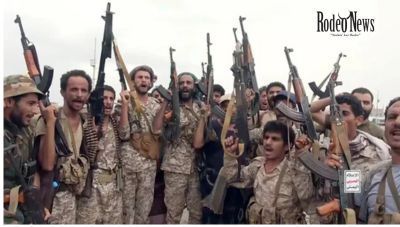
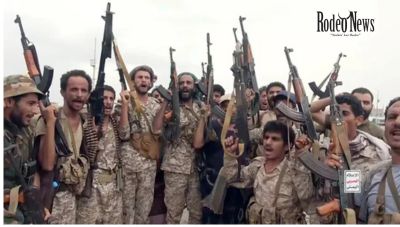
The Houthi movement has issued a stark warning that American involvement in attacks against the group would prompt a swift response.
Mohammed Al Bukhaiti, a member of the group’s political bureau, warned that US interests across the Middle East could become targets if Washington joined the Saudi-led offensive. He also warned employees at Saudi oil facilities and airports to stay away from those sites, describing them as potential targets.
The statements followed a series of attacks on Saudi aviation facilities, including King Khalid International Airport in Riyadh.
Fox News reported that an attack on the airport killed at least 13 people and wounded hundreds. Subsequent reporting from other outlets described additional casualties from further attacks. Figures can vary depending on the incident and the reporting period, so the precise cumulative toll should be checked against the latest official updates.
The attacks have highlighted the vulnerability of civilian infrastructure during a regional conflict. Airports serve as essential transport hubs for residents, international travelers, religious pilgrims and business operations. Even temporary closures can disrupt thousands of journeys and affect the movement of goods.
The threats against oil facilities are equally significant. Saudi Arabia’s energy sector is central to the national economy and plays an important role in global petroleum markets.
Any sustained disruption could influence energy prices, shipping decisions and investor confidence.
The challenge of deterring further attacks
Saudi Arabia must protect key facilities while avoiding measures that could create additional security risks. Defending airports and energy infrastructure requires surveillance, interception capabilities, emergency planning and coordination among security agencies.
However, even successful interceptions cannot eliminate every threat. Repeated attacks can force authorities to close facilities while they assess damage and determine whether operations can safely resume.
The Houthis’ statements also create uncertainty for airlines and international companies. Businesses may respond to elevated risks by suspending services, rerouting operations or imposing stricter safety requirements.
Such decisions can magnify the economic impact of attacks even when the physical damage remains limited.
3. Saudi Arabia Extends Riyadh Airport Closure After Attacks
Saudi Arabia’s aviation system has become a major focus of the crisis following repeated attacks on King Khalid International Airport.
According to the Fox News live report, Saudi aviation authorities extended the airport’s temporary shutdown through October 17 to allow safety checks and assessments of operational readiness.
The closure underscores the seriousness of the security situation. Airports cannot resume normal operations simply because an immediate attack has ended. Authorities must inspect affected facilities, evaluate potential hazards and establish that passengers and employees can safely return.
Riyadh’s airport is an important international gateway. A prolonged shutdown can affect connecting flights, tourism, business travel and the movement of passengers across the Gulf region.
Airlines may also suspend or reroute services to other Saudi destinations if they believe the security threat extends beyond the capital.
The disruption creates additional difficulties for travelers who must find alternative routes, rearrange bookings or remain in place while authorities evaluate the situation.
For Saudi Arabia, the closure comes at a sensitive time. The kingdom has spent years seeking to attract foreign investment, expand tourism and diversify its economy beyond oil revenues. Reliable transport infrastructure is essential to those objectives.
What the closure means for travelers and businesses
The immediate priority is passenger safety. Travelers should check directly with airlines and airport authorities before departing for Saudi Arabia, particularly when traveling through Riyadh or other airports affected by security warnings.
Businesses operating in the kingdom may also need to revise travel schedules and contingency plans. Companies with employees traveling internationally could face additional costs from cancellations, accommodation changes and delayed meetings.
The aviation disruption also demonstrates how conflict can affect civilians far from the front lines. An attack on a transport hub can disrupt daily life, interrupt family travel and affect workers who depend on airport operations.
The duration of the shutdown will depend on security assessments and official decisions. Until authorities announce a reopening, travelers should not assume that scheduled services will operate normally.
4. Iran’s Regional Role Faces Renewed International Scrutiny
The latest developments have intensified scrutiny of Iran’s role in the wider conflict and its relationships with armed groups across the region.
The Houthis have received longstanding political and military support from Iran, although the degree of operational control Tehran exercises over the group’s individual decisions remains a separate question. Their relationship is a major factor in how regional governments assess the risks of further escalation.
On October 13, Fox News also reported that British Prime Minister Andy Burnham said a suspected plot targeting RAF Fairford was highly likely to have been coordinated in Iran and almost certainly directed by Iran’s Islamic Revolutionary Guard Corps.
British authorities said they intended to respond through security measures and additional sanctions. Iran’s ambassador to Britain denied Tehran’s involvement in the suspected plot after being summoned by the British Foreign Office.
These allegations concern a separate security investigation and should not be treated as proof that Iran directed every attack attributed to regional armed groups. Establishing responsibility requires evidence, and the parties involved have not agreed on all the underlying claims.
Nevertheless, the allegations add to the diplomatic pressure facing Tehran as governments examine possible connections between regional hostilities and security threats abroad.
Diplomatic pressure could expand beyond the battlefield
If Western governments conclude that Iranian institutions were involved in the suspected plot, further sanctions and diplomatic restrictions could follow.
Such measures might target individuals, organizations, funding networks or other entities accused of supporting hostile activity. Their effectiveness would depend on international coordination and the ability of authorities to enforce restrictions.
However, additional sanctions could also make diplomatic negotiations more difficult. Tehran may reject measures it considers politically motivated, while Western governments could insist that accountability is necessary before relations improve.
The result is a growing risk that the conflict will affect diplomatic relations well beyond the immediate confrontation involving Iran, Saudi Arabia and the Houthis.
For governments seeking to prevent further escalation, distinguishing verified evidence from accusations will remain essential.
5. The US-Iran War Creates Fresh Risks for Oil Markets and Global Trade
Energy security is another major concern as attacks threaten Saudi infrastructure and tensions continue around the Strait of Hormuz.
The strait connects the Persian Gulf with the Gulf of Oman and serves as a crucial route for international oil shipments. Any significant disruption can create uncertainty for producers, shipping companies, insurers and energy consumers.
The latest crisis has already placed pressure on regional transport and commercial operations. Attacks on airports can interrupt passenger services, while threats to energy facilities and maritime routes raise concerns about the reliability of oil supplies.
Saudi Arabia has also been examining ways to strengthen its ability to transport crude through routes that bypass the Strait of Hormuz. Reuters reported on October 13 that the kingdom wants to increase its crude export pipeline capacity to as much as 10 million barrels per day through changes involving existing infrastructure.
That proposal illustrates how regional producers are looking for ways to reduce their exposure to vulnerable shipping corridors.
However, additional pipeline capacity cannot remove every risk. Infrastructure requires investment, maintenance and protection, and alternative routes may have their own operational limitations.
How the conflict could affect oil prices
Oil prices respond to both actual supply disruptions and expectations about future risks.
If traders believe that attacks could interrupt exports from a major producer or restrict shipping through the Strait of Hormuz, prices may rise even before a significant shortage occurs. Conversely, credible de-escalation measures and the restoration of normal transport operations could reduce some of that pressure.
Higher energy prices can affect households and businesses worldwide. Fuel costs influence transportation, manufacturing, agriculture and the distribution of consumer goods. Sustained increases may also complicate efforts by central banks to control inflation.
The economic effects would not be identical across countries. Oil-exporting economies could benefit from higher prices in some circumstances, while import-dependent nations could face rising costs and pressure on household budgets.
For international markets, the central issue is whether the current escalation remains geographically contained or develops into a more serious disruption to regional energy supplies.
What Happens Next in the US-Iran War?
The next phase will depend on decisions by Washington, Riyadh, Tehran and the Houthi leadership.
Trump’s administration must decide whether to participate in Saudi-led military action, increase defensive assistance or pursue a different response. Each option carries different risks, and the possibility of retaliation against American interests remains a major consideration.
Saudi Arabia, meanwhile, must protect its population and critical infrastructure while restoring confidence in its aviation and energy sectors. The reopening of Riyadh’s airport will be an important indicator of how authorities assess the immediate security threat.
Iran faces continued diplomatic pressure over its regional activities and the separate allegations concerning the suspected plot in Britain. Further sanctions or countermeasures could complicate already strained relations with Western governments.
The Houthis’ next moves will also be significant. Additional attacks against Saudi facilities could increase pressure on Washington to intervene, while a reduction in hostilities could create more room for diplomatic efforts.
International governments will be watching the security of commercial shipping routes, the availability of energy supplies and the potential effects on civilians across the region.
Ultimately, the crisis highlights the difficulty of containing a conflict involving several governments, armed groups and strategically important infrastructure. A decision intended to deter one adversary can trigger retaliation elsewhere, creating new security challenges and economic uncertainty.
For now, no confirmed announcement in the cited reporting establishes that the United States has formally joined Saudi Arabia’s offensive against the Houthis. The possibility remains under consideration, while the threats, airport disruption and diplomatic tensions demonstrate how quickly the conflict could expand.
The coming days will be crucial in determining whether the parties move toward a broader military confrontation or find a way to limit the violence.