Ukraine Energy Ceasefire: 5 Key Facts Revealed
Trump announces an immediate halt to energy attacks, but questions over implementation, Russian cooperation and Ukraine’s security remain unresolved.
The Ukraine energy ceasefire has become a major diplomatic development in the ongoing Russia–Ukraine war after US President Donald Trump announced on October 11, 2026, that both countries had agreed to stop attacks on energy infrastructure. However, uncertainty remains over the agreement’s precise terms, how compliance would be monitored and whether the announcement reflects a fully confirmed commitment from Moscow and Kyiv.
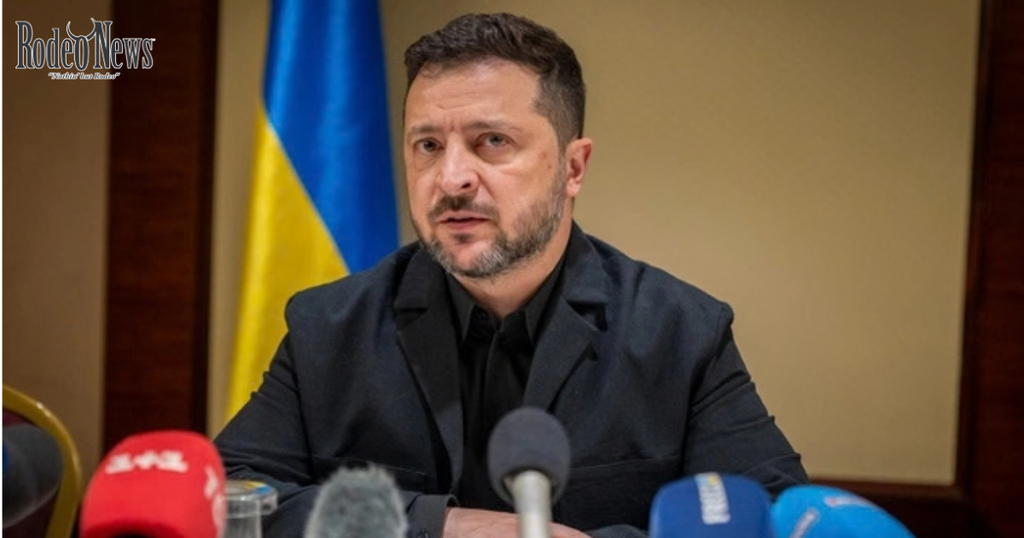
Ukrainian President Volodymyr Zelenskyy signaled that Ukraine was prepared to support a mutual halt to attacks on energy facilities. His position, however, emphasized the importance of Russian participation and reciprocal action.
The announcement comes amid continuing strikes on infrastructure, disputes over US policy toward Russian fuel exports and renewed diplomatic pressure to reduce the war’s impact on civilians. With energy systems particularly vulnerable ahead of winter, the proposed arrangement could have significant consequences if both sides implement it.
Here are five key facts explaining the announcement, the positions of the countries involved and the challenges that remain.
1. Trump Announces an Immediate Ukraine Energy Ceasefire
Trump announced the proposed energy ceasefire in a social media post on October 11. He said the arrangement took effect immediately and claimed that Russia and Ukraine had both agreed to it.
However, the announcement did not provide a detailed framework. It did not clearly specify which facilities would be covered, how long the arrangement would last or what procedures would be used to investigate alleged violations.
According to reporting by Al Jazeera, the announcement followed a period of escalating attacks on energy infrastructure and renewed diplomatic efforts to contain the conflict’s effects.
A ceasefire focused on energy facilities would be narrower than a comprehensive halt to fighting. It could restrict attacks on power stations, electricity networks, fuel storage sites, refineries and other infrastructure, depending on the final terms.
Such an arrangement would not necessarily end fighting along the front lines or prohibit attacks on military targets unrelated to the energy sector.
This distinction matters because the announcement should not be interpreted as confirmation that the broader war has ended. Its practical significance depends on the commitments made by both governments and their willingness to comply.
2. Zelenskyy Says Russian Cooperation Is Essential
Zelenskyy indicated that Ukraine was prepared to support the energy ceasefire, provided Russia also participated.
The Ukrainian position reflects Kyiv’s argument that an agreement cannot provide meaningful protection if Russian attacks on Ukrainian energy infrastructure continue while Ukrainian forces are expected to stop targeting Russian facilities.
In reporting published by Axios, the Ukrainian president’s position was described as conditional on reciprocal action. The report also noted that confirmation of a mutually agreed arrangement remained unclear at the time.
For Ukraine, the central issue is whether a ceasefire would provide verifiable protection for its energy network. Repeated damage to power generation and distribution systems can disrupt electricity supplies, heating, water services and industrial operations.
Ukraine has also used long-range drones against Russian targets, including oil refineries. Such operations are part of Kyiv’s effort to impose costs on Russia’s war effort and affect the infrastructure supporting its economy.
A mutual halt would therefore require both governments to make operational decisions about their military campaigns.
The Ukrainian government would also need clarity about what constitutes a prohibited attack. Without agreed definitions, each side could accuse the other of violating the arrangement while disputing whether a particular target was covered.
3. Energy Infrastructure Remains a Major Vulnerability
Energy facilities have played an important role in the war because they support civilian life, industrial production and military logistics.
In Ukraine, damage to power plants, substations and transmission lines can affect millions of people beyond the immediate location of a strike. Disruptions can also place additional pressure on emergency services, hospitals, businesses and municipal authorities.
The timing of the ceasefire announcement is significant because colder weather increases demand for electricity and heating. Prolonged outages during winter can create serious difficulties for households and essential services.
Russia’s energy sector also faces risks from Ukrainian strikes on refineries and other facilities. Refineries process crude oil into fuels used by transportation, industry and the military. Damage can interrupt production, reduce operating capacity and require costly repairs.
However, energy infrastructure is not interchangeable. A refinery processes petroleum products, while a power station generates electricity and a transmission substation helps deliver it to consumers. A ceasefire would need to address these differences clearly.
The potential benefits of an energy truce would extend beyond the immediate reduction in physical damage. A sustained pause could allow repair crews to restore damaged equipment, replenish essential supplies and prepare vulnerable facilities for future disruptions.
It could also reduce uncertainty for businesses and communities that depend on reliable electricity and fuel.
Nevertheless, the announcement alone does not demonstrate that these benefits will materialize. Their scale would depend on the agreement’s scope, duration and implementation.
4. Disagreements Over Russian Fuel Exports Complicate Diplomacy
The ceasefire announcement came amid disagreement between Washington and Kyiv over US policy toward Russian fuel exports.
According to reporting by The Guardian, Trump had announced a temporary easing of restrictions affecting Russian diesel exports shortly before the ceasefire announcement. Trump argued that the measure could help reduce fuel prices, while Zelenskyy criticized the decision on the grounds that additional Russian revenue could support Moscow’s war effort.
These competing positions highlight a broader policy challenge.
Washington has sought to address energy-market pressures while pursuing an end to the war. Kyiv, meanwhile, has argued that easing economic pressure on Russia without securing corresponding concessions could weaken incentives for Moscow to change its military approach.
The disagreement is significant because sanctions and energy policy are closely connected to the resources available to governments during wartime.
Oil and refined fuel exports can generate revenue for Russia, while restrictions on trade and financial activity are intended to constrain aspects of its economy. The effects of any sanctions change depend on its scope, duration, enforcement and the wider market environment.
A ceasefire could provide an opportunity to separate immediate humanitarian concerns from longer-term disputes over sanctions. For example, an arrangement protecting energy infrastructure could be evaluated on whether it reduces attacks and improves civilian security.
That would not automatically resolve disagreements over fuel exports, sanctions or the broader terms of a peace settlement.
The two issues remain related, however, because both influence the diplomatic relationship between Washington, Kyiv and Moscow.
5. Verification Will Determine Whether the Agreement Can Work
The most important question following Trump’s announcement is whether the proposed ceasefire will be implemented and respected.
A public declaration is not the same as a detailed agreement. Effective implementation normally requires clear obligations, communication channels and procedures for addressing alleged violations.
Several issues remain important.
First, the scope must be defined. Russia and Ukraine would need to understand which energy facilities are protected and whether the restrictions cover direct attacks, drone strikes, missiles and other forms of military action.
Second, the duration must be established. An immediate ceasefire could be temporary or open-ended. Without clarity, both sides may interpret the commitment differently.
Third, monitoring is essential. Reliable information about attacks and damage would help determine whether either party had breached the arrangement. Independent verification could reduce the risk of disputed claims escalating into further retaliation.
Fourth, there must be a process for handling violations. The parties would need a way to communicate concerns, investigate incidents and respond without immediately abandoning the agreement.
Finally, both governments would need to demonstrate that their military forces have received clear instructions and that those instructions are being followed.
These conditions are particularly important because previous diplomatic announcements have not always translated into sustained changes on the battlefield. The Associated Press, in reporting carried by the Los Angeles Times, noted that Trump announced the ceasefire without providing details about its terms.
The absence of a published framework makes it difficult to assess whether the arrangement contains effective safeguards.
What the Ukraine Energy Ceasefire Could Mean for Civilians
For civilians, the immediate concern is whether attacks on energy infrastructure decrease.
A sustained reduction in strikes could help electricity providers maintain service, allow repair crews to work more safely and reduce the risk of prolonged outages. It could also help communities prepare for winter by protecting facilities needed for heating and water distribution.
Hospitals, schools, transportation systems and businesses could benefit from greater reliability in electricity supplies.
However, the effect would not necessarily be immediate. Damaged infrastructure may require extensive repairs, replacement components and specialist equipment. Even if attacks stop, existing damage can continue to affect electricity generation and distribution.
There is also a difference between reducing attacks on energy facilities and achieving a broader peace agreement.
A limited truce would not by itself settle disputes over territory, security guarantees, military operations or the political conditions for ending the war. Nor would it necessarily prevent all civilian casualties if fighting continued elsewhere.
For that reason, the ceasefire’s significance should be measured through evidence of implementation rather than the announcement alone.
International Diplomacy and the Path Ahead
The proposed energy ceasefire places renewed attention on the roles of the United States, Ukraine, Russia and European governments in managing the conflict.
Washington’s ability to communicate with both sides gives it a potential role in facilitating negotiations. However, the durability of any arrangement depends on whether the governments involved accept its terms and believe compliance serves their interests.
Ukraine has emphasized reciprocity and the need for credible guarantees. Russia’s position and its practical actions will be central to determining whether a mutual pause can take hold.
European governments also have an interest in reducing attacks on energy infrastructure because prolonged instability affects regional security, economic planning and humanitarian assistance.
Even a limited agreement could provide a basis for further discussions if both sides observe it. Conversely, disputed violations or continued strikes could undermine confidence before the arrangement has a chance to produce measurable results.
The next indicators to watch include official statements from Moscow and Kyiv, evidence of changes in attack patterns, the publication of specific ceasefire terms and any announcement of a monitoring mechanism.
Independent reporting will be important for distinguishing confirmed developments from statements made by the parties involved.
Conclusion: A Potential Step Toward Protecting Energy Security
Trump’s October 11 announcement has placed a proposed Ukraine energy ceasefire at the center of renewed diplomatic attention. Zelenskyy’s stated willingness to support a mutual halt underscores the importance Kyiv places on reciprocal commitments and the protection of its energy infrastructure.
Nevertheless, major questions remain about the agreement’s terms, Russia’s participation, the monitoring process and the consequences of any violations.
A credible and sustained reduction in attacks could help protect civilians, support infrastructure repairs and reduce some of the risks facing energy systems before winter. But the announcement alone cannot establish that those outcomes will occur.
For now, the key test is whether Russia and Ukraine translate the declaration into clear, reciprocal and verifiable action. Until implementation can be established, the energy ceasefire should be treated as a developing diplomatic initiative rather than a confirmed end to attacks or a resolution of the wider war.