Boeing Starliner 2028: NASA Reveals Key Changes
NASA is targeting Boeing Starliner 2028 for the spacecraft’s next crewed mission, while planning a crucial uncrewed test flight as early as December 2026 or January 2027. The new timeline follows extensive technical reviews and upgrades after Starliner’s troubled 2024 crewed test flight.
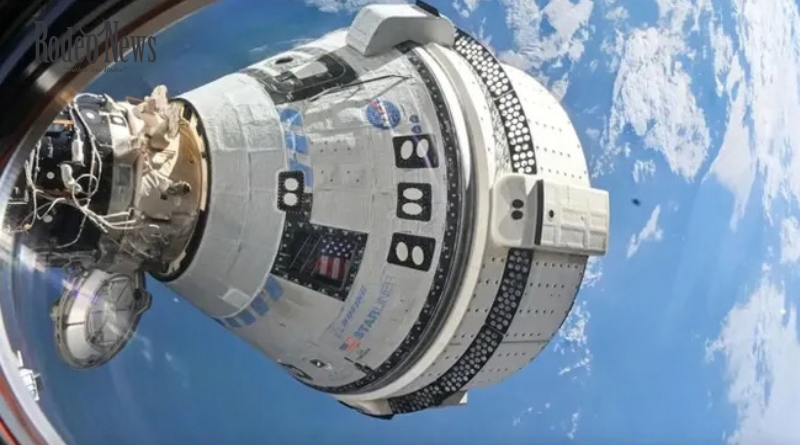
NASA and Boeing announced the revised plan on September 28, saying Starliner remains part of the agency’s long-term strategy for transporting astronauts to low Earth orbit. The agencies also plan to add more Starliner missions and work toward certifying United Launch Alliance’s Vulcan rocket for future crewed flights.
The decision keeps Boeing in NASA’s Commercial Crew Program alongside SpaceX, while giving engineers additional time to address propulsion, thermal, parachute and other spacecraft concerns.
Boeing Starliner 2028 Mission Takes Shape
NASA now expects Starliner-2, the next crewed Starliner mission, to carry astronauts to the International Space Station in 2028.
The agency has not yet announced the complete crew. However, NASA astronaut Woody Hoburg has been selected to command the mission. Boeing representatives indicated the flight could take place around the middle of 2028, although the exact launch date remains subject to certification and testing.
Before astronauts return to Starliner, NASA plans to launch Starliner-1, an uncrewed mission designed to test the spacecraft’s improvements.
That flight is currently targeted for December 2026 or January 2027.
NASA describes Starliner-1 as an engineering evaluation mission. It will collect additional performance data, evaluate thermal conditions and help engineers identify any remaining risks before the spacecraft is cleared for human spaceflight.
The timetable means NASA is deliberately separating the next uncrewed flight from the planned crewed mission. Engineers will use information from Starliner-1 before completing additional modifications and certification work.
Why Boeing Starliner 2028 Is Still Years Away
The long gap between Starliner-1 and Starliner-2 is largely connected to the spacecraft’s propulsion system.
Starliner encountered significant problems during its first crewed flight in 2024. The spacecraft launched NASA astronauts Butch Wilmore and Suni Williams toward the ISS, but helium leaks and thruster problems emerged during the mission.
Starliner ultimately reached the station, but NASA decided that Wilmore and Williams should not return to Earth aboard the spacecraft. Starliner instead came back without astronauts in September 2024, while the two astronauts remained aboard the ISS and later returned aboard a SpaceX Crew Dragon.
NASA subsequently conducted a detailed investigation into what went wrong.
According to NASA, its investigation identified 61 recommendations covering technical and programmatic issues associated with the 2024 mission. One major area of concern involved Starliner’s service-module reaction-control thrusters.
The investigation found that the propulsion problems involved several factors, including the spacecraft’s thermal environment and design characteristics.
NASA and Boeing have since worked on changes intended to improve the propulsion system before another crewed flight.
Starliner Gets New Thruster and Valve Improvements
One of the major parts of the Boeing Starliner 2028 plan involves changes to the spacecraft’s thruster system.
NASA says Boeing has implemented changes related to the helium leaks identified during the 2024 mission. The problem was traced to degradation involving seals and exposure to nitrogen tetroxide, which is used as an oxidizer in Starliner’s propulsion system.
Dana Weigel, manager of NASA’s Low Earth Orbit Program, said the seal material has been changed and that Boeing has already incorporated the relevant modifications into Starliner-1.
The agencies are also working on additional modifications to the service-module thruster valves.
NASA says the changes are intended to address issues involving poppet seals and their potential effect on thruster performance. Additional work will continue after the uncrewed test flight.
Boeing will also install new crew-module thrusters and upgraded batteries. NASA and Boeing are making minor modifications to the parachute system as part of the broader effort to improve performance and reliability.
These changes are important because NASA does not simply need Starliner to reach orbit. The spacecraft must meet the agency’s requirements for safely transporting astronauts and returning them to Earth.
Boeing Starliner 2028 Could Use a Different Rocket
Another important part of the new plan concerns the rocket that launches Starliner.
The spacecraft has historically flown on United Launch Alliance’s Atlas V. However, Atlas V is approaching retirement and is no longer being produced.
The first four Starliner missions under the current plan are expected to use Atlas V rockets. Later missions are expected to transition to ULA’s newer Vulcan Centaur rocket.
That creates another certification challenge.
Vulcan has not yet been certified for crewed missions, meaning NASA and ULA must complete additional work before astronauts can fly aboard a Starliner launched by the new rocket.
NASA says it will work with Boeing and ULA to certify Vulcan for human spaceflight after the final Atlas V missions.
This is one reason the Starliner program involves more than simply fixing the spacecraft itself.
NASA needs confidence in the entire transportation system, including the capsule, launch vehicle, ground operations, software, emergency procedures and other components required for human spaceflight.
NASA Plans More Starliner Missions
Despite the setbacks, NASA is not abandoning Boeing’s spacecraft.
The agency says it intends to exercise options for a fifth and sixth Starliner mission to and from the International Space Station. That would extend Starliner’s role beyond the immediate effort to return the vehicle to crewed operations.
NASA has emphasized the importance of maintaining multiple U.S. crew transportation systems.
The Commercial Crew Program was designed to give NASA more than one way to transport astronauts to low Earth orbit. SpaceX’s Crew Dragon has become the operational workhorse of the program, while Boeing has continued working toward full Starliner certification.
NASA’s latest decision indicates that the agency still sees value in maintaining Boeing as a second provider.
The strategy could also become increasingly important as NASA prepares for changes in low Earth orbit and the eventual transition away from the International Space Station.
The $359 Million Certification Effort
The road back to crewed flight will require substantial investment.
NASA’s Low Earth Orbit Program manager Dana Weigel said the combined cost of spacecraft upgrades and Vulcan certification work is $359 million. The figure covers improvements to Starliner as well as work associated with preparing Vulcan for crewed operations.
The spending illustrates the scale of work required to bring Starliner into a position where NASA can certify it for regular astronaut missions.
The agency is also adding resources to the broader Starliner contract. Boeing’s current Starliner program is expected to continue supporting multiple future flights to the ISS.
For NASA, the investment is tied to maintaining transportation options for astronauts while the agency prepares for a changing low-Earth-orbit environment.
Starliner-1 Will Be the Critical Next Test
The next major milestone is Starliner-1, the uncrewed mission.
NASA currently sees December 2026 or January 2027 as the potential launch window. The mission will carry cargo to the International Space Station while providing an opportunity to evaluate the changes made after the 2024 Crew Flight Test.
The flight is particularly important because some modifications will not be fully completed before launch.
NASA says additional work on the service-module thruster valve design will continue following Starliner-1. The agency will then use the flight data and subsequent ground testing to support final certification work.
In other words, Starliner-1 is not simply a cargo delivery mission.
It is effectively another major step in the spacecraft’s human-rating process.
NASA will use the mission to examine how the updated systems perform under actual spaceflight conditions.
What Happened During Starliner’s 2024 Crew Flight?
The history of the program explains why NASA is proceeding carefully.
Starliner first flew in December 2019 on an uncrewed test mission called Orbital Flight Test. The spacecraft experienced problems with its onboard timing system and failed to reach the International Space Station as planned.
A second uncrewed test, OFT-2, successfully reached the station in May 2022, although the spacecraft experienced problems involving orbital maneuvering and attitude-control thrusters.
The major test came in June 2024, when Starliner launched Wilmore and Williams toward the ISS.
The mission was originally expected to last roughly 10 days. Instead, technical issues involving helium leaks and thrusters forced NASA to reconsider how the astronauts would return.
Starliner eventually returned to Earth without its crew in September 2024.
The experience led NASA to conduct a formal investigation and implement a long list of corrective actions.
Boeing Starliner 2028 and the Future of NASA Crew Flights
The revised Starliner schedule arrives at an important moment for NASA’s human-spaceflight program.
SpaceX continues operating Crew Dragon missions for NASA, while NASA has also expanded its contracted Crew Dragon flights. Meanwhile, SpaceX is developing Starship as a much larger reusable launch system.
That changing landscape makes Starliner’s future more complicated but also potentially significant.
NASA has stated that maintaining multiple crew transportation options is important for continued access to low Earth orbit. The agency is also preparing for the eventual transition from the ISS to commercial space stations.
Boeing’s spacecraft could therefore have a role beyond simply completing another demonstration flight.
If Starliner completes its remaining testing and receives human-rating certification, NASA expects it to become another transportation option for astronauts traveling to the ISS and potentially future commercial destinations.
The agency has already indicated plans to restore fifth and sixth Starliner missions under its contract with Boeing.
A Long Road Back to Human Spaceflight
The Boeing Starliner 2028 schedule represents a significant delay compared with the original ambitions for the spacecraft.
However, the current plan gives NASA and Boeing several stages to validate the vehicle before astronauts return.
First comes Starliner-1, the uncrewed flight planned for late 2026 or early 2027. Engineers will analyze the spacecraft’s performance and use the data to complete remaining modifications.
Next comes additional testing and certification work, including the updated propulsion system and, eventually, the certification of Vulcan for crewed Starliner missions.
Only after those steps are completed is Starliner-2 expected to carry astronauts.
NASA has therefore placed safety and certification ahead of a rapid return to crewed operations. The agency’s stated goal is to establish Starliner as a reliable long-term transportation system rather than simply get the spacecraft back into service as quickly as possible.
For Boeing, the 2028 mission will be an important test of whether Starliner can transition from a troubled development program into a sustainable human-spaceflight system.
For NASA, it represents an effort to preserve multiple ways of reaching low Earth orbit.
The next major answer will come from Starliner-1.
If the uncrewed spacecraft successfully demonstrates the new systems in orbit, NASA will have additional data to support the next stage of certification. If problems remain, the 2028 schedule could require further adjustment.
For now, however, NASA’s plan is clear: Starliner is expected to fly astronauts again in 2028, following another uncrewed test and a substantial round of spacecraft and launch-system upgrades.