
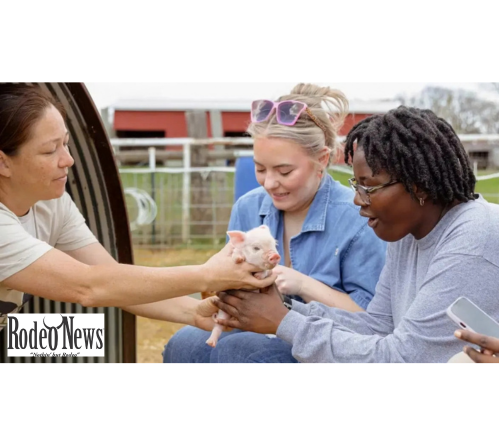
Farm to Stay Grants: Farmers Can Get $10K
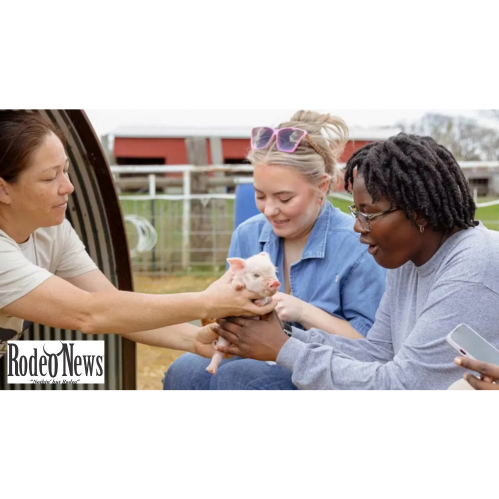
Farm to Stay grants are giving American farmers and ranchers a new opportunity to turn agritourism into an additional source of income. Airbnb and the American Farmland Trust have launched a national program that will provide grants of up to $10,000 to eligible agricultural operations looking to create or expand farm stays and on-farm experiences.
The initiative arrives as many farm families face higher operating costs, unpredictable weather and volatile agricultural markets. At the same time, interest in rural travel and farm-based experiences is rising.
Airbnb says its data shows the typical U.S. farm-stay host earned about $8,000 through the platform in 2025. Collectively, U.S. farms hosting on Airbnb earned nearly $120 million that year.
The new program aims to help more farmers participate in that growing market.
Farm to Stay grants target a growing opportunity
The Farm to Stay grants are being introduced through American Farmland Trust’s Brighter Future Fund in partnership with Airbnb.
According to American Farmland Trust, the national program is expected to distribute approximately 25 to 30 grants, with individual awards ranging from $5,000 to $10,000. The total amount available for awards is $250,000.
The funding is intended for eligible for-profit production agriculture operations that want to develop or expand a farm stay or agritourism experience connected to their working farm or ranch.
That could include preparing an existing building for overnight visitors, improving guest accommodations or creating activities that allow travelers to experience agricultural life.
The concept goes beyond simply renting out a spare room.
Farmers could potentially use the opportunity to develop experiences such as farm-to-table dinners, apple picking, wine tasting, agricultural workshops and other activities connected to their operations.
Why Airbnb is backing farm stay grants
The program comes at a time when traditional farm income is under pressure.
Airbnb cited U.S. Department of Agriculture economic research showing that the median farm income for certain small farm households was negative in 2024. The median farm income figure cited by the company was approximately -$2,800.
That financial pressure is one reason diversification has become increasingly important for small agricultural businesses.
Instead of relying exclusively on crops, livestock or commodity markets, some farmers are adding other revenue streams. Agritourism can provide one such option by bringing visitors directly onto farms and ranches.
Airbnb’s argument is that the additional income can help farmers maintain their land and agricultural businesses while giving travelers a more direct connection to rural communities.
American Farmland Trust has a similar mission. The organization says it works to protect farmland, promote sound farming practices and help sustain the farmers and ranchers who depend on agricultural land.
Farm to Stay grants could help farmers prepare properties
For a farmer interested in agritourism, getting a property ready for guests can require upfront investment.
A farmhouse may need repairs. A barn might need improvements. A farm may need new guest facilities, safety upgrades or other changes before visitors can be welcomed.
The Farm to Stay grants are designed to help address some of those barriers.
Airbnb says grant funding can support efforts to renovate or prepare properties for overnight guests and launch new agritourism experiences.
That gives farmers an opportunity to approach tourism from different angles.
One operation could offer overnight accommodations. Another might focus on day experiences. A third could combine lodging with activities such as animal encounters, agricultural demonstrations or seasonal harvest events.
The flexibility could be particularly useful for farms that do not have the resources to develop a large-scale hospitality operation.
Agritourism demand is rising
The program also reflects a broader change in the travel market.
Airbnb reports that U.S. search interest for “farm stay” has nearly quadrupled over the past decade, based on Google Trends data. Meanwhile, earnings for farm-stay hosts on Airbnb have increased by nearly 400% since 2018.
Those figures suggest that farm tourism is moving beyond a niche travel category.
For travelers, the attraction is relatively straightforward. A farm stay can offer an experience that traditional hotels cannot easily replicate.
Guests can wake up in a rural setting, interact with animals, see agricultural operations and learn where food comes from. Depending on the property, visitors may also participate in activities such as harvesting produce, picking apples or attending farm-to-table meals.
For farmers, meanwhile, the same experience can create another source of revenue.
Farm stays can benefit rural communities
The economic impact of agritourism can extend beyond the farm itself.
Visitors who travel to rural areas may also spend money at nearby restaurants, stores, attractions, gas stations and other businesses.
Airbnb estimates that farm-stay guests contributed close to $500 million in U.S. GDP and generated nearly $125 million in total tax revenue in 2025, according to the company’s analysis.
Airbnb also says more than 60% of U.S. census tracts are “hotel deserts,” meaning areas where traditional hotel accommodation is limited and Airbnb can provide an alternative lodging option.
That can make farm stays particularly significant in communities that do not have a large conventional tourism industry.
A visitor who books a rural farm stay may not only pay the host. The trip can create demand for other local businesses as well.
In that sense, agritourism can function as a broader rural economic-development strategy.
Farmers are already using Airbnb for extra income
The new grant program builds on farmers who are already operating farm stays.
Airbnb says the typical farm-stay host earned roughly $8,000 in 2025. Across the United States, farm-stay hosts collectively earned nearly $120 million through the platform that year.
For a large commercial agricultural operation, that amount may not dramatically change the business.
For a small family farm, however, additional income can be meaningful.
Farm expenses can include equipment, feed, fuel, repairs, property taxes, veterinary bills and other costs that continue regardless of whether a particular season produces strong profits.
Additional tourism revenue can therefore help farmers pay for maintenance, make improvements or simply create more financial flexibility.
Airbnb has highlighted hosts who say money from farm stays has been used for farm maintenance and other operating expenses.
What can farmers use the grants for?
Specific allowable expenses and detailed eligibility rules have not yet been fully released.
However, Airbnb and American Farmland Trust say the program is designed to support the creation or expansion of farm stays and agricultural experiences.
Potential projects could involve preparing accommodations for guests or developing activities connected to the farm.
Examples highlighted by Airbnb include:
- Apple picking
- Wine tasting
- Farm-to-table dinners
- Agricultural workshops
- Overnight farm stays
- Other hands-on farm experiences
The final rules will determine exactly which expenses qualify.
Farmers considering an application should therefore review the official guidelines once they are released rather than assuming every tourism-related expense will be eligible.
When will Farm to Stay grants open?
Applications are expected to open in late November 2026, according to American Farmland Trust.
The organization says additional eligibility and application guidelines will be available before the application period begins. Approximately 350 applications will be accepted, and applications will be reviewed in the order they are received.
That means interested farmers may want to begin preparing before the application portal opens.
American Farmland Trust recommends signing up for updates through its Farm to Stay program page.
Farm to Stay Grant Program information and application updates
Free workshops will help prospective hosts
Airbnb and American Farmland Trust are also planning educational sessions for farmers and ranchers interested in agritourism.
The workshops are intended to explain how Airbnb’s platform works, provide hosting guidance for rural properties and explain how farmers can establish a stay or experience.
According to Airbnb, sessions are scheduled for October 14 at 5 p.m. ET and November 13 at noon ET.
The workshops are not limited to grant applicants.
That could make them useful for farmers who are interested in agritourism but are still deciding whether a farm stay makes sense for their operation.
A potential new business model for American farms
The significance of the program extends beyond the $10,000 maximum award.
The larger idea is to encourage agricultural businesses to view tourism as another component of their farm economy.
Agritourism does not replace farming. Instead, it can complement production by giving farmers another way to generate revenue from land, buildings, knowledge and existing agricultural activities.
That distinction is important.
A successful farm stay still requires time, planning and customer service. Farmers may need to comply with local regulations, consider insurance requirements, prepare for guests and balance visitors with normal agricultural operations.
But for some businesses, the additional revenue may justify those efforts.
The growth in consumer interest suggests there is a market waiting to be developed.
What the program means for the future of agritourism
The partnership between Airbnb and American Farmland Trust represents a notable intersection between technology, tourism and agriculture.
Airbnb brings a large travel marketplace and an established system for connecting hosts with guests. American Farmland Trust brings experience working with farmers and protecting agricultural land.
Together, the organizations are betting that tourism can help strengthen the economic position of some working farms.
The timing is also significant.
With agricultural businesses facing higher costs and financial uncertainty, diversification is increasingly important. At the same time, travelers are showing greater interest in experiences that connect them with local communities and the origins of their food.
Farm stays sit directly at that intersection.
Bottom line
The new Farm to Stay grants give farmers and ranchers another potential tool for building financial resilience.
Through its partnership with American Farmland Trust, Airbnb plans to provide approximately 25 to 30 grants worth up to $10,000 each. The money will support eligible agricultural businesses that want to create or expand farm stays and agritourism experiences.
The program is scheduled to open applications in late November 2026, while additional eligibility requirements and allowable expenses are expected to be announced beforehand.
With farm-stay demand rising and Airbnb reporting nearly $120 million in earnings for U.S. farm-stay hosts in 2025, the program highlights a potentially important shift in how some American farms generate income.
For farmers able to combine agriculture with hospitality, the next opportunity may be waiting not in another field—but on the farm itself.