Tigray Forces Seize Airport as Ethiopia Tensions Rise
Tigray forces seize airport facilities in northern Ethiopia as tensions between the regional authorities and the federal government reach another dangerous point, raising fresh fears that the country could slide back into a wider conflict.
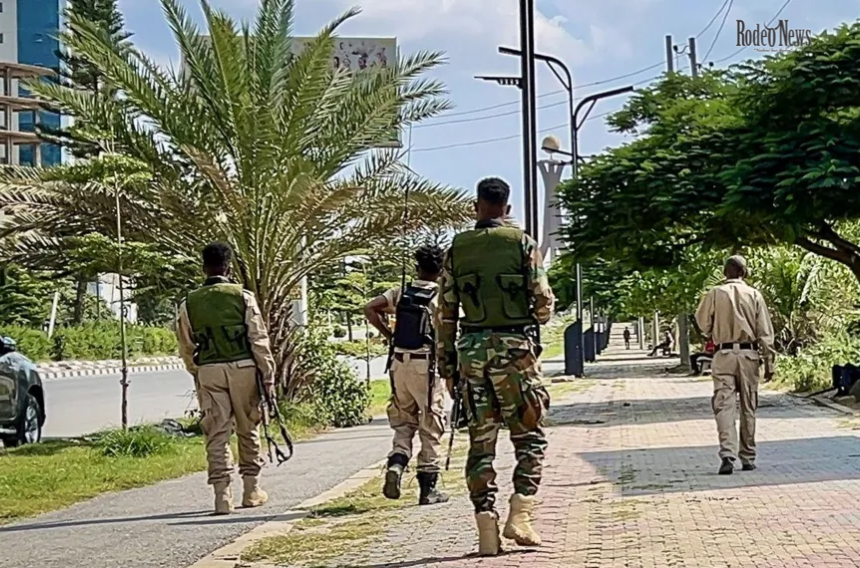
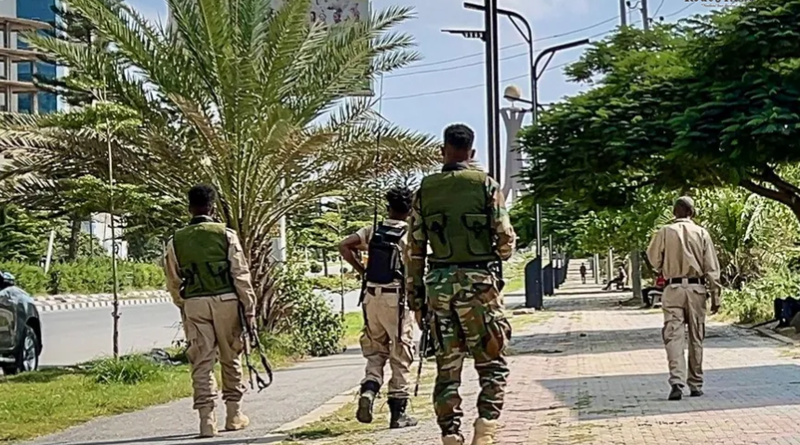
Local sources told international media that Tigrayan forces took control of Mekelle Airport, the main airport serving the regional capital, during the night. The development was followed by the suspension of flights to several destinations in Tigray by state-owned Ethiopian Airlines.
The airline said services to Mekelle, Shire and Axum had been suspended because of the situation in the Tigray region. It did not provide further details about the security developments. MMarketScreener
The reported airport takeover comes after months of worsening relations between the federal government in Addis Ababa and the Tigray People’s Liberation Front, or TPLF.
Tigray forces seize airport in Mekelle
Mekelle is the political centre of Tigray and was at the heart of the devastating war that began in 2020.
Three local sources, including a security source, told Reuters that Tigrayan forces took control of Mekelle Airport from federal police. Other reporting said local witnesses described the takeover as occurring without major fighting at the airport itself. MMarketScreener+1
The reported seizure has significant symbolic and practical importance.
Airports are critical links for a region that has endured years of conflict, displacement and humanitarian disruption. The suspension of commercial flights also cuts an important transport connection between Tigray and the rest of Ethiopia.
For residents, the latest developments are likely to revive memories of the previous war, which caused enormous loss of life and forced large numbers of people from their homes.
Ethiopia’s previous war still shapes the crisis
The latest confrontation cannot be separated from the 2020-2022 Tigray war.
The conflict pitted the federal government against forces aligned with the TPLF. It ended with the Pretoria peace agreement in November 2022, but many of the political and security disputes behind the war have remained unresolved.
The African Union has estimated that the conflict resulted in about 600,000 deaths. More than a million people were also displaced during the fighting and its aftermath. DDW Amp
The peace agreement stopped the large-scale fighting, but implementation has remained difficult.
Disputes over political authority, territorial control and the future of Tigray have continued. Both sides have accused the other of failing to fully respect commitments made under the agreement.
New alliance adds to pressure on government
The latest escalation follows another major development earlier in the week.
The TPLF joined six other armed groups in announcing an alliance aimed at removing Prime Minister Abiy Ahmed’s government. The coalition brings together groups from different parts of Ethiopia, including forces that have previously fought against one another. RReuters
The alliance has been described as a major political and security challenge for the federal government.
However, its members have different regional interests and longstanding disputes. Analysts cited by Reuters have cautioned that geographic distance, political differences and varying military capabilities could make cooperation difficult. RReuters
The Ethiopian government has also accused neighbouring Eritrea of supporting the armed groups. Eritrean officials have repeatedly rejected such accusations. RReuters
Drone strikes raise further concerns
Tensions have also been heightened by reports of drone attacks in Tigray.
According to reporting cited by the BBC, a drone strike in the southern Tigrayan town of Alamata killed at least 14 people and injured 22 others, according to local authorities. Those allegations have not been independently verified, and the Ethiopian federal government has not publicly accepted responsibility for the reported attack. IInternationly
The reports have added to concerns among residents and international observers that the fragile peace established after the 2022 agreement could be breaking down.
Recent clashes have also been reported beyond Tigray, including in neighbouring Afar and Amhara regions. DDW Amp
What happens next?
The immediate question is whether the reported seizure of Mekelle Airport remains an isolated security incident or becomes part of a broader military confrontation.
For now, commercial flights have been suspended, while reports of fighting and military movements continue to emerge from northern Ethiopia.
A return to full-scale war would carry serious consequences for civilians already affected by years of conflict. Tigray’s population continues to face the effects of displacement, damaged infrastructure and disrupted services.
The federal government and Tigrayan authorities have yet to resolve their fundamental political disagreements. Without renewed dialogue and implementation of the existing peace framework, the latest confrontation could further weaken an already fragile settlement.
The situation remains fluid, and information from the conflict zone is difficult to independently verify. What is clear is that the reported takeover of Mekelle Airport has become another significant warning sign in Ethiopia’s increasingly tense political and security environment.