Farm to School Grant: $30K Funding Opens in Vermont
The program is designed to help eligible organizations start or expand farm-to-school and farm-to-early-childhood initiatives. Funding can support projects ranging from school garden supplies and kitchen equipment to personnel costs associated with running farm-to-school programs.
Applications are due Wednesday, October 21, 2026, at 1:59 p.m. The grant does not require matching funds, and successful applicants can have up to 18 months to complete their projects.
Farm to School Grant offers up to $30,000
The Vermont Farm to School and Early Childhood Grant provides awards ranging from $10,000 to $30,000. The state has set aside a total of $200,000 for the competitive funding opportunity.
That approach allows organizations to develop projects that go beyond simply serving locally grown food. Programs can combine food education, gardening, cooking, nutrition and community partnerships into broader educational experiences.
What can the Vermont grant pay for?
The Farm to School Grant is designed to support a wide range of eligible expenses.
The Vermont agency specifically highlights school garden supplies, kitchen equipment and personnel costs among potential uses.
Projects can therefore be tailored to the needs of individual communities.
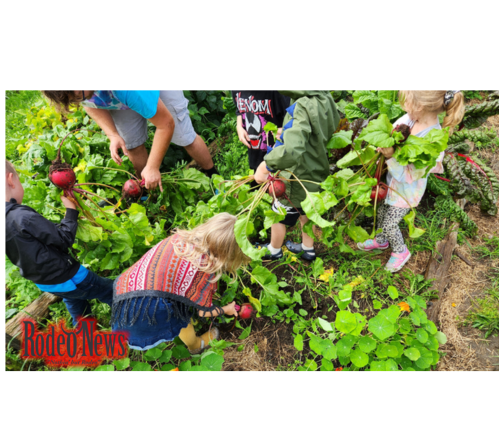
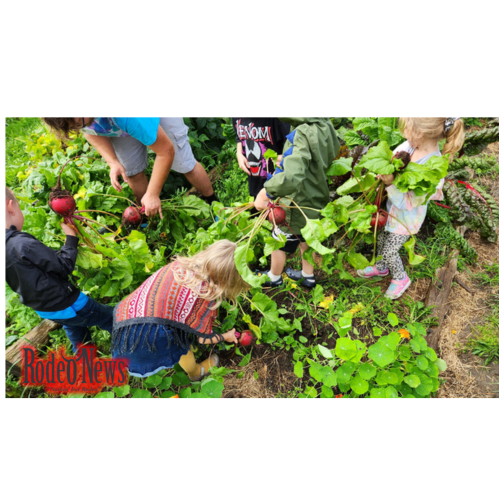
A school could develop or expand a garden where students learn how food is grown. An early childhood program could introduce young children to gardening, cooking or local agriculture. A larger school district could use funding to coordinate farm-to-school activities across several campuses.
The emphasis is on creating meaningful connections between education, food and agriculture rather than funding a single isolated activity.
Who is eligible for the Farm to School Grant?
The program is open to several categories of Vermont organizations.
Eligible applicants include:
- Vermont licensed early childhood education centers
- Registered family child care home providers
- Independent schools participating in federal child nutrition programs
- Supervisory unions or educational districts applying on behalf of K-12 public schools or pre-K programs
- Consortia of K-12 public schools and pre-K programs
The eligibility rules are important because the program is not intended as a general-purpose agriculture grant. Applicants must fit the program’s education and early-childhood requirements.
Organizations that currently have an active FY26 Farm to School and Early Childhood Grant are not eligible to apply for FY27 funding. Previous grantees can apply, but they must explain how their new proposal represents a separate project and demonstrate how additional funding would expand their existing farm-to-school work.
No matching funds are required
One notable feature of the current Farm to School Grant is that applicants do not have to provide matching funds.
The Vermont Agency of Agriculture says the FY27 grant has no matching requirement. That could make the opportunity more accessible to schools and early childhood providers that have strong project ideas but limited discretionary budgets.
Awards range from $10,000 to $30,000, while funded projects can run for as long as 18 months.
The agency also notes that pre-award costs may be eligible in certain circumstances, but applicants must receive permission from the grant program manager before relying on that provision.
Farm to School Grant deadline is October 21
Organizations interested in the funding should pay close attention to the application deadline.
The application period opened September 9, 2026, and closes October 21, 2026, at 1:59 p.m.
Applicants must register in Vermont’s WebGrants system before submitting an application. The state warns that registration can take up to two business days, making early registration particularly important for organizations that have not previously used the platform.
The agency recommends that prospective applicants first review the FY27 Request for Applications and the application guide before completing the online submission.
Vermont Farm to School and Early Childhood Grant information and application page
Applicant webinar provides application guidance
Vermont also offered an optional applicant webinar on September 21 to help prospective applicants understand the opportunity.
The session covers the grant requirements, introduces the Vermont Farm to School and Early Childhood Network, explains how to use WebGrants and provides time for questions and answers.
For applicants who need assistance after the webinar, the state has scheduled three additional office-hour sessions.
The sessions are:
- September 23: 12 p.m. to 1 p.m.
- September 30: 2:30 p.m. to 3:30 p.m.
- October 7: 3:30 p.m. to 4:30 p.m.
These sessions are intended for drop-in questions and application support. Vermont Farm to Institution Program Manager Gina Clithero is the primary contact for grant questions, while staff from Vermont FEED are also scheduled to participate in the office hours.
Why Vermont is investing in farm-to-school programs
The grant is part of a broader Vermont effort to connect education, agriculture and local food systems.
The Vermont Agency of Agriculture says its Farm to School, Early Childhood and Institution initiatives are intended to increase agricultural literacy, strengthen markets for Vermont-grown products, improve access to nutritious food and reinforce the state’s agricultural identity.
That means the program has potential benefits beyond the classroom.
When schools incorporate local farms and food producers into educational activities, students can gain a clearer understanding of where their food comes from. At the same time, stronger connections between institutions and local agriculture can create additional opportunities for Vermont producers.
The state has been building this system for years. In June 2026, Vermont reported that it had awarded 34 Farm to School-related grants totaling $1 million during fiscal year 2026. The awards supported schools, early childhood programs and nonprofit service providers.
Among those awards, $227,105 went specifically to 10 school districts and early childhood programs through the Farm to School and Early Childhood Grant.
Previous projects included school and early-childhood gardens, outdoor classrooms, cooking equipment and programs connecting students with local food and agriculture.
Previous projects show how funding can be used
The previous grant cycle provides examples of the kinds of projects Vermont has supported.
The state’s FY26 funded-project list includes initiatives such as “Bringing Farm to School from Seed to Plate,” district-wide farm-to-school coordination and outdoor community spaces for training and events. Other awards supported community-supported agriculture programs serving early childhood education programs.
One of the previous recipients was the Greater Rutland County Supervisory Union, which received $30,000 for its “Bringing Farm to School from Seed to Plate” project.
Mount Mansfield Unified Union School District also received $30,000 for district-wide Farm to School coordination.
Other projects received smaller awards for community gardens, outdoor spaces and local food initiatives.
These examples illustrate the flexibility of the program. Rather than requiring every applicant to pursue the same type of project, the grant can support different approaches based on local needs.
Farm to School Grant fits into a larger funding program
The latest grant is one part of Vermont’s broader Farm to School and Early Childhood funding structure.
The Vermont Agency of Agriculture also administers programs supporting service providers, local food access and connections between farms and institutions. Its funding calendar lists the Farm to School and Early Childhood Grant as an annual opportunity aimed at long-term education, food and community programs connecting young people with local agriculture.
Another related opportunity is the Farm to Institution Market Development Grant, which focuses more directly on helping Vermont farms and food producers reach institutional customers such as schools, hospitals and colleges.
Together, these programs address different parts of the local food system.
The Farm to School Grant focuses on educational institutions and early childhood providers. Other programs help producers and organizations strengthen the supply side.
How interested organizations can apply
Organizations considering the Farm to School Grant should begin by reviewing the official FY27 Request for Applications.
The application process involves four main steps:
- Review the FY27 Farm to School and Early Childhood Grant Request for Applications.
- Register for Vermont’s WebGrants system.
- Complete the application using the state’s application guide.
- Submit the application before the October 21 deadline at 1:59 p.m.
Because WebGrants registration may take up to two business days, applicants should avoid waiting until the final day to create an account.
The state also encourages prospective applicants to contact program staff with questions during the application period.
Gina Clithero, the Farm to Institution Program Manager, is available by phone or email for questions related to the grant. The Vermont agency also provides separate technical assistance for WebGrants users.
A timely opportunity for Vermont schools and early childhood programs
The Farm to School Grant gives Vermont schools and early childhood organizations an opportunity to invest in projects that combine education, nutrition and local agriculture.
With $200,000 available statewide and individual awards of up to $30,000, the FY27 program could help organizations launch new initiatives or expand programs already serving students and young children.
The opportunity is particularly significant for organizations seeking funding for practical projects such as gardens, cooking facilities, food education and program coordination.
Applicants should also remember that the competition is time-limited. The deadline is October 21, 2026, at 1:59 p.m., and WebGrants registration can take several business days.
For eligible Vermont organizations with a strong proposal, preparing early could make the difference between a rushed application and a well-developed plan that clearly demonstrates how local food and agriculture can benefit students, educators and the wider community.