
Earl Spencer’s Diana Claims: Charles ‘Elated’ After Death
Fresh Earl Spencer Diana claims have reopened one of the most closely watched chapters in the British royal family’s modern history, with the late Princess Diana’s brother alleging that King Charles sounded unusually upbeat when he called after her death in 1997.
The allegations appear in Earl Spencer’s forthcoming memoir, Swan Song: Diana, My Sister, which has already triggered a strong response from Buckingham Palace. The book revisits Diana’s marriage, her relationship with Charles, the aftermath of her death and the events surrounding her funeral.
Spencer’s account is based on his own recollections and interpretations of events. Buckingham Palace, however, has questioned the reliability of memories shaped by grief and the passage of almost three decades.
The dispute has placed Diana’s family history back at the centre of public attention.
Earl Spencer Diana Claims Focus on 1997 Phone Call
According to extracts from Spencer’s memoir, he received a telephone call from then-Prince Charles after Diana was killed in a Paris car crash in August 1997.
Spencer writes that the call sounded markedly different from the condolences he had received from other people following Diana’s death. He describes Charles as sounding extremely upbeat, comparing his apparent mood at the time to that of someone who had unexpectedly won a major prize.
The description is one of the most striking elements of the new memoir and has quickly become the focus of reporting about the book.
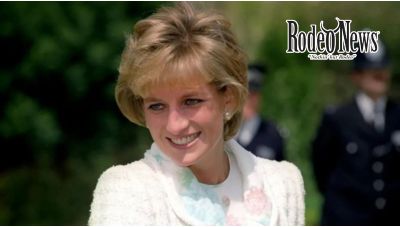
Diana died at the age of 36 after the Mercedes carrying her crashed in the Pont de l’Alma tunnel in Paris. Her death prompted an extraordinary public reaction in Britain and around the world.
For the royal family, the aftermath was also a period of intense pressure.
Charles was then heir to the throne, while Diana remained one of the most famous figures in the world. Their marriage had ended in divorce less than a year before her death.
Spencer now presents his recollection of Charles’s reaction as part of a wider argument about how members of the royal establishment viewed Diana.
Buckingham Palace Pushes Back
Buckingham Palace has strongly rejected the credibility of the wider allegations.
Although the Palace traditionally avoids commenting on individual books, a spokesperson responded to the controversy by referring to the way grief can influence memory and judgment.
The response did not attempt to provide a detailed point-by-point account of Spencer’s allegations. Instead, it raised questions about how memories of traumatic events can change over time.
That distinction is important.
Spencer is presenting his own recollections in a personal memoir. The Palace response represents a competing interpretation rather than an independently established account of what Charles was thinking privately at the time.
Nearly 30 years after Diana’s death, there is no way to independently establish every private conversation or emotional reaction described in the memoir.
The dispute therefore centres not only on what happened but also on how the events are remembered.
A Wider Portrait of Diana and Charles
The latest Earl Spencer Diana claims are not limited to the phone call after Diana’s death.
In excerpts from Swan Song: Diana, My Sister, Spencer revisits the circumstances surrounding Diana’s marriage to Charles and offers his interpretation of their relationship.
He portrays Diana as entering the marriage with doubts about Charles’s feelings for her. Spencer also describes conversations Diana allegedly had with him before and during the marriage.
The memoir explores the emotional difficulties Diana experienced as her relationship with Charles deteriorated.
Charles and Diana married in July 1981 at St Paul’s Cathedral in London. Their wedding became a global event, watched by hundreds of millions of people.
Behind the public image, however, their relationship became increasingly troubled.
The couple separated in 1992 and divorced in 1996.
By the time Diana died the following year, both had established separate public lives.
Spencer’s memoir now revisits those years from the perspective of Diana’s younger brother.
Claims About Charles and Camilla
Another major part of Spencer’s account concerns Charles’s relationship with Camilla Parker Bowles, now Queen Camilla.
Spencer argues that Diana understood before her wedding that Charles had strong feelings for Camilla.
The history of Charles, Diana and Camilla has been examined repeatedly in books, documentaries and royal biographies. However, Spencer’s position is particularly significant because of his direct family connection to Diana.
His memoir attempts to provide a personal account of what Diana told him and how he interpreted her experiences.
It is important to distinguish those recollections from independently documented historical facts.
A memoir can provide valuable insight into how someone experienced events, but it does not automatically establish the accuracy of every private conversation described decades later.
That distinction is central to the controversy surrounding Swan Song.
Diana’s Difficult Years
Spencer also writes extensively about Diana’s emotional struggles.
According to published excerpts, he discusses her eating disorder, the pressures surrounding her marriage and periods when she experienced severe emotional distress.
He also offers his own theory that Diana may have had attention-deficit/hyperactivity disorder and describes characteristics that he believes they shared.
Those sections add another dimension to the memoir.
Rather than focusing solely on the royal marriage, Spencer appears to be attempting to construct a broader portrait of Diana as a woman dealing with family expectations, public attention and personal difficulties.
Diana’s struggles with bulimia were publicly documented during her lifetime. She later spoke openly about some of the pressures she experienced inside the royal family and the impact those pressures had on her mental and emotional wellbeing.
Spencer’s account adds his own memories and interpretations to that established public history.
The Funeral Becomes Another Point of Dispute
The memoir also revisits the extraordinary events surrounding Diana’s funeral.
Spencer claims there were concerns within the royal establishment about how the public might react to Charles if he walked behind Diana’s coffin.
According to his account, Diana’s sons, Prince William and Prince Harry, were part of the procession in circumstances that Spencer interprets as helping protect the former prince from possible public hostility.
The funeral procession became one of the defining images of Diana’s death.
Millions watched as her coffin travelled through London, while large crowds gathered along the route.
William and Harry, then aged 15 and 12 respectively, walked behind their mother’s coffin alongside Charles, Spencer and other members of the royal family.
The decision has been discussed extensively over the years, including questions about the emotional impact on Diana’s young sons.
Spencer’s memoir offers his interpretation of why the procession took the form it did.
Again, those interpretations should be distinguished from independently established evidence about private discussions among royal officials.
Why the Memoir Is Attracting Attention
The controversy surrounding Swan Song: Diana, My Sister reflects the continuing global fascination with Princess Diana.
Almost three decades after her death, Diana remains one of the most recognizable members of the British royal family’s history.
Her story has been examined through biographies, documentaries, television dramas and archival projects.
Yet personal accounts from members of her immediate family remain particularly powerful because they can provide perspectives that were not visible to the public at the time.
Spencer has previously written about difficult experiences from his childhood and his relationship with Diana.
His latest memoir takes that personal approach into one of the most sensitive periods of the princess’s life.
The book therefore arrives at a moment when public interest in the royal family remains high.
King Charles Faces Renewed Scrutiny
The new allegations also place King Charles under renewed scrutiny over his relationship with Diana.
Charles became king in September 2022 following the death of Queen Elizabeth II.
His relationship with Diana remains one of the most controversial parts of his biography, despite the passage of time.
The couple’s marriage began with enormous public expectations but eventually ended in separation and divorce.
Charles later married Camilla, who became Queen Consort following his accession and subsequently Queen Camilla.
For supporters of the royal family, the allegations in Spencer’s memoir represent a decades-old dispute being revisited through one person’s memories.
For those interested in Diana’s legacy, however, the book provides another opportunity to examine the private circumstances behind one of the most famous royal marriages of the 20th century.
A Story Still Shaped by Memory
Perhaps the most important element of the current controversy is the role of memory.
Spencer remembers the events surrounding Diana’s death from the perspective of a grieving brother. Buckingham Palace argues that grief can influence recollection and judgment.
Both perspectives are important when assessing the claims.
The memoir provides evidence of what Spencer says he remembers and how he interpreted events. It does not necessarily provide definitive proof of the private thoughts or motivations of other people involved.
That distinction becomes particularly important when dealing with conversations that took place decades ago and were not recorded.
The result is a familiar pattern in royal history: a personal recollection becomes a public controversy because the people involved occupy positions of enormous historical interest.
What Happens Next
Swan Song: Diana, My Sister is expected to generate further discussion when the complete book becomes available.
Additional extracts could reveal more about Spencer’s memories of Diana, her marriage to Charles and the royal family’s response to her death.
Buckingham Palace is unlikely to engage in an extended public debate over the memoir. Its initial response has already indicated that the institution does not normally comment on books and instead chose to address the issue through a brief statement.
The publication could nevertheless renew interest in other accounts of Diana’s life and the events surrounding her death.
For royal watchers, the central question will be how Spencer’s personal memories fit alongside the established historical record.
Earl Spencer Diana Claims Keep Diana’s Story in the Headlines
The latest Earl Spencer Diana claims have reopened a painful chapter in the history of the British royal family.
Spencer says his memoir is intended to correct what he believes are inaccuracies about his sister and her life. His account includes deeply personal recollections of Diana, Charles, their marriage and the aftermath of her death.
Buckingham Palace has disputed the reliability of those memories, pointing to the potential effects of grief and the passage of time.
The competing accounts demonstrate why Diana’s story continues to generate intense interest nearly three decades after her death.
For readers assessing the controversy, the distinction between documented events, personal recollections and interpretations is essential.
Diana’s marriage to Charles, their divorce and her death are matters of historical record. The private emotions and conversations described by Spencer are his recollections and should be understood in that context.
As Swan Song: Diana, My Sister reaches readers, the debate surrounding Diana’s legacy is likely to continue — not simply because of what happened in 1997, but because of how those events continue to be remembered today.