
Measles Cases Surge Across Pennsylvania
Measles cases in Pennsylvania have climbed to 835 across 39 counties, as health officials confront an expanding outbreak and doctors report unusual patterns of infection.
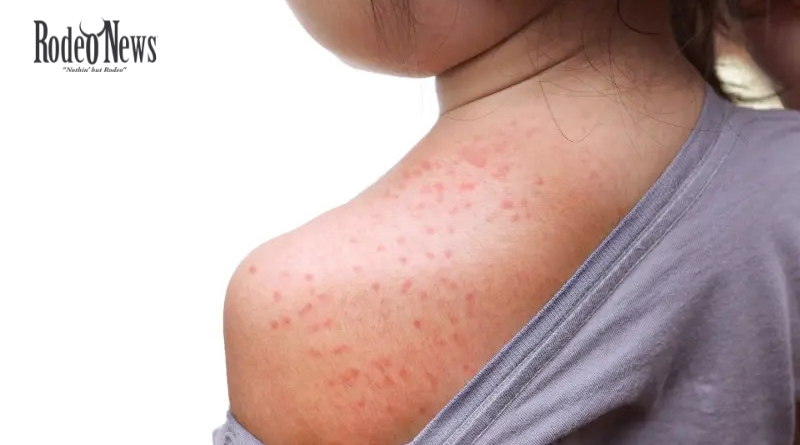
The Pennsylvania Department of Health reported the latest figures on Sept. 23, saying 43 new positive cases had been identified since Sept. 21. The outbreak has also resulted in 164 hospitalizations and four confirmed measles-associated deaths, according to state data.
The rapidly changing situation comes as infectious disease specialists report cases that they say are increasingly unusual in the modern United States.
The New York Post reported that doctors are seeing forms of measles infection that were previously uncommon, including infections involving newborns. The development has raised additional concerns among specialists because measles was declared eliminated from the United States in 2000, although outbreaks can still occur when the virus reaches communities with insufficient vaccination coverage.
Pennsylvania’s outbreak has now become one of the most significant measles outbreaks in the country in 2026.
Measles Cases Reach 835 in 39 Counties
Pennsylvania’s latest official update provides a clear picture of how quickly the outbreak has expanded.
As of Sept. 23, the state had recorded:
- 835 confirmed measles cases
- 39 affected counties
- 164 hospitalizations
- Four confirmed measles-associated deaths
- 43 new positive cases since Sept. 21
The state also said nearly 5,200 people had received MMR vaccinations through 156 pop-up clinics organized in communities affected by the outbreak.
Vaccination activity has increased sharply as residents respond to the growing outbreak.
Pennsylvania health care providers administered more than 49,000 MMR vaccine doses during August. During the first three weeks of September, providers administered more than 38,000 additional doses.
For comparison, providers typically administer about 25,000 MMR doses in an entire month across the state.
The increase in vaccinations suggests that public concern is growing alongside the number of reported infections.
However, vaccination rates and immunity can vary significantly from one community to another. That variation can allow measles to spread rapidly when the virus reaches areas with larger numbers of people who are not fully protected.
Unusual Measles Infections Raise Concern
The latest Pennsylvania outbreak is drawing attention not only because of its size but also because of the types of infections being reported.
According to the New York Post, infectious disease specialists have described cases involving newborns and other unusual presentations.
Congenital or very early-life measles infections are particularly concerning because newborns are not yet routinely protected through the standard childhood MMR vaccination schedule.
The situation also illustrates how a virus that was once rarely encountered in the United States can produce unexpected clinical challenges when sustained transmission returns.
John Goldman, an infectious disease specialist at UPMC, told the Guardian that newborn infections have been extremely unusual in the modern era. The Guardian also reported that the Pennsylvania outbreak has involved hospitalizations and rare cases while the official federal death count has not matched Pennsylvania’s state tally.
The unusual cases do not necessarily represent a fundamentally different measles virus.
Rather, they reflect the fact that sustained transmission can expose people in circumstances that were uncommon when measles was largely controlled in the United States.
What Is Driving the Measles Surge?
Measles is one of the most contagious infectious diseases.
The virus can spread rapidly when it enters a community where vaccination coverage is insufficient to maintain strong population immunity.
The CDC says measles was declared eliminated in the United States in 2000 because of high vaccination coverage. However, elimination did not mean the virus disappeared worldwide. Imported infections can still enter the country, and outbreaks can follow when transmission reaches under-vaccinated communities.
National vaccination coverage has also declined.
According to the CDC, MMR coverage among U.S. kindergarteners fell from 95.2% during the 2019-2020 school year to 92.4% during the 2025-2026 school year. The agency estimates that approximately 280,000 kindergartners were at risk during that school year.
The CDC notes that local vaccination coverage can be considerably lower than the national figure.
That creates pockets of vulnerability.
When measles enters one of those communities, transmission can accelerate quickly.
Pennsylvania Is Seeing a Major Increase in Vaccinations
Pennsylvania officials are responding to the outbreak by expanding access to MMR vaccination.
The state has operated pop-up clinics in affected communities, while health care providers have also seen a sharp increase in demand for vaccination.
The Pennsylvania Department of Health says the MMR vaccine remains the best protection against measles.
The department states that two doses provide about 97% protection against measles. People with two documented doses generally do not need another dose, while adults who have received only one dose or cannot locate their vaccination records are advised to speak with a health care provider or pharmacist about their individual circumstances.
The state has emphasized that residents should use trusted medical providers when determining whether they need vaccination.
That is particularly important during an active outbreak because vaccination recommendations can depend on age, previous doses, exposure and other individual circumstances.
Measles Cases Are Rising Across the United States
Pennsylvania’s outbreak is occurring within a broader national resurgence.
As of Sept. 17, 2026, the CDC had recorded 3,471 confirmed measles cases in the United States, including cases reported across 47 jurisdictions. The agency had also recorded 39 outbreaks during 2026.
About 95% of confirmed U.S. cases at that point were associated with outbreaks, according to the CDC.
The national figure was already substantially higher than the 2,289 confirmed cases recorded during all of 2025.
Pennsylvania represents a significant portion of the national total.
However, state and federal figures can differ because health departments update their case counts on different schedules. The CDC specifically cautions that its national figures include confirmed cases reported to the agency as of its weekly reporting cutoff, while state dashboards can contain more recent information.
That explains why Pennsylvania’s Sept. 23 total of 835 cases is higher than the number reflected in the CDC’s Sept. 17 national dataset.
Why Measles Is So Contagious
Measles spreads primarily through the air when an infected person coughs, sneezes or breathes.
Its high transmissibility means that outbreaks can expand rapidly when immunity levels are insufficient.
The CDC says communities generally need vaccination coverage above 95% to maintain strong community immunity against measles. When coverage falls below that level, the risk of outbreaks increases, particularly in communities where vaccination rates are significantly lower.
This is why the location of unvaccinated or under-vaccinated populations matters.
A state can have relatively high average vaccination coverage while still containing communities where immunity is substantially lower.
Once measles enters such an area, the virus can find enough susceptible people to sustain transmission.
What Are the Symptoms of Measles?
Measles typically begins with symptoms that can resemble other respiratory infections.
Common symptoms include:
- Fever
- Cough
- Runny nose
- Red or watery eyes
- A characteristic rash
The rash generally develops several days after the initial symptoms.
Because measles is highly contagious, people who develop symptoms after a known exposure should seek medical guidance before arriving at a clinic or doctor’s office. Calling ahead can help health care facilities reduce the risk of exposing other patients and staff.
Severe complications can include pneumonia, brain inflammation and other serious health problems.
Children, pregnant people and individuals with weakened immune systems can face particular risks from measles infection.
The Pennsylvania outbreak’s hospitalization figures underscore that measles is not simply a childhood rash illness.
As of Sept. 23, the state had recorded 164 hospitalizations associated with the outbreak.
Newborn Infections Highlight a Difficult Challenge
One of the most striking developments reported in Pennsylvania involves newborns.
Infants are especially vulnerable because routine MMR vaccination begins later in childhood.
This creates a period in which very young babies rely heavily on protection provided by surrounding immunity and other public health measures.
The reports of newborn infections therefore highlight an important consequence of declining community immunity: people who cannot yet receive routine vaccination can also become exposed when transmission increases.
The Guardian reported that specialists described the newborn cases as highly unusual in the modern United States.
The cases also demonstrate why measles elimination depends on maintaining high vaccination coverage over time.
When transmission is rare, unusual cases become uncommon. When transmission returns, however, the virus can reach populations that have not encountered measles frequently for decades.
Four Pennsylvania Deaths Remain a Point of Disagreement
Pennsylvania health officials currently report four confirmed measles-associated deaths.
The federal government has not included those deaths in the CDC’s national measles mortality count while officials work through differences in how measles-associated deaths should be classified. Reuters reported that Pennsylvania requested CDC assistance amid the outbreak while the two sides remained divided over recognition of the fatalities.
The discrepancy has become a significant public-health reporting issue.
Pennsylvania officials maintain their state count, while the CDC’s national reporting system uses its own criteria and data-validation process.
The difference does not mean the Pennsylvania cases are absent from state health records. It means state and federal authorities are using different processes for the national tally.
The distinction is important when comparing numbers across government sources.
Public Health Response Continues
Pennsylvania health officials are continuing vaccination and outreach efforts as the outbreak spreads.
The state says its response includes pop-up vaccination clinics, public information campaigns and coordination with health care providers.
The state has also made case, hospitalization and death information available through its measles dashboard.
Health officials are encouraging residents to review their vaccination records and contact health care providers if they are uncertain about their MMR status.
Meanwhile, providers are administering substantially more vaccine doses than usual.
That surge in vaccination could help increase immunity in communities where transmission is occurring.
The Larger Lesson From the Pennsylvania Outbreak
The Pennsylvania outbreak demonstrates how quickly measles can return when immunity gaps develop.
The disease was declared eliminated from the United States more than two decades ago, but elimination depended on maintaining high levels of vaccination and rapidly containing imported cases.
The current outbreak shows what can happen when those protections weaken.
The number of Pennsylvania measles cases has grown to 835 across 39 counties, while hundreds of people have required hospitalization and four measles-associated deaths have been reported by state officials.
At the same time, doctors are confronting unusual infections that were rarely seen when measles transmission was largely controlled.
The situation is therefore about more than the latest case count.
It illustrates the importance of maintaining vaccination coverage, identifying cases quickly and limiting transmission when outbreaks occur.
What Happens Next?
Pennsylvania’s outbreak remains active, and the number of confirmed cases is expected to change as health departments investigate suspected infections and update their records.
The state’s latest update already showed 43 additional positive cases in just two days.
The immediate public health priority is reducing transmission while increasing protection among people who are not fully vaccinated.
The national picture will also require continued monitoring.
With more than 3,400 confirmed U.S. measles cases already reported to the CDC by Sept. 17, 2026, the Pennsylvania outbreak is part of a much broader resurgence.
For families and communities, the central message from health authorities remains straightforward: vaccination is the primary tool for preventing measles and limiting outbreaks.
As Pennsylvania continues its response, doctors and health officials will be watching not only the total number of measles cases, but also where infections occur, who is affected and whether unusual cases continue to emerge.
The answers could help determine how long the current outbreak lasts — and how effectively future outbreaks can be prevented.