Sports Betting Harassment: 5 Leagues Demand Tough Rules
Sports betting harassment is becoming a growing concern across professional sports, prompting the NFL, NBA, MLB, NHL and MLS, along with their players associations, to seek stronger protections for athletes, coaches, officials and their families.
The five major professional sports leagues joined forces Tuesday to ask gambling regulators in 35 states and the District of Columbia to take tougher action against bettors who threaten or abusively harass people connected to sports.
The groups want regulators to establish rules that could permanently revoke the betting privileges of people found responsible for serious harassment or threats. They also want sportsbooks to improve how they monitor abusive accounts and create a more efficient system for reporting incidents.
The request comes as legal sports betting has expanded dramatically across the United States since the Supreme Court struck down the federal restriction that had limited most legal sports wagering to Nevada.
Sports Betting Harassment Prompts Joint Response
The joint action represents an unusual level of coordination among the country’s largest professional sports leagues.
The NFL, MLB, NBA, NHL and MLS sent their request alongside their respective players associations. According to the Associated Press, the letter was directed to gambling regulators in 35 states and Washington, D.C.
The organizations are asking regulators to establish permanent betting bans for individuals who threaten or abusively harass professional or amateur athletes, coaches, officials or team personnel.
They also want sportsbooks and mobile betting companies to take a more active role in identifying accounts associated with abusive conduct.
Under the proposal, sports organizations and their representatives would have clearer channels for submitting evidence of threats or harassment to gambling authorities.
The goal is to create a consistent process that could prevent someone removed from one betting platform or jurisdiction from simply continuing to wager elsewhere.
Why Sports Betting Harassment Has Become a Problem
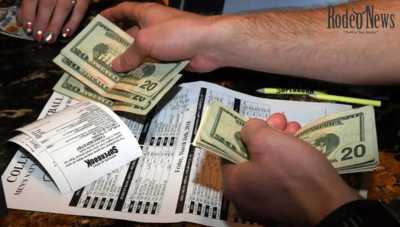
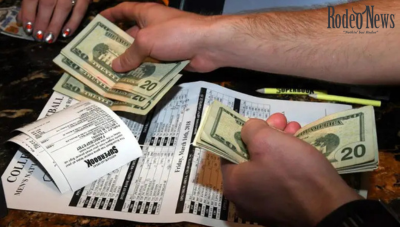
The rapid growth of mobile sports wagering has changed the way many fans interact with professional sports.
A bettor can now place a wager on a game within seconds. Depending on the sportsbook, customers can also wager on individual player statistics, specific plays and other events within a game.
That level of access has created a direct financial connection between individual performances and the results of a bettor’s wagers.
When a bet loses, some bettors respond by directing anger toward players or coaches.
The leagues said athletes, coaches and officials have received threatening and harassing messages through social media as well as through in-person interactions.
The problem is not limited to players.
Coaches, referees, officials, team employees and family members can also become targets when bettors believe a particular person affected the outcome of a wager.
That distinction is important because ordinary criticism of a sporting performance is different from a threat directed at someone’s personal safety.
The leagues are specifically asking regulators to address conduct that crosses into threats or abusive harassment.
Proposed Permanent Betting Bans
One of the central requests is the introduction of permanent betting bans for people found responsible for serious betting-related harassment.
Several states already have mechanisms that can exclude certain bettors from legal sports wagering.
Ohio, West Virginia, Louisiana and Wyoming have laws or regulatory systems allowing people who engage in specified abusive behavior to be excluded from betting, according to the Associated Press.
The five leagues want similar protections established across other legal betting jurisdictions.
A uniform approach could also give sportsbooks clearer guidance about what happens when a customer is accused of threatening an athlete.
The leagues are additionally asking betting operators to develop accountability programs that can monitor, flag and potentially ban accounts associated with abusive behavior.
Sportsbooks Face Greater Responsibility
The proposed approach would place additional responsibility on betting operators.
Sportsbooks already maintain systems designed to monitor customer activity, enforce betting rules and comply with state gambling regulations.
The leagues want those operators to use similar systems to identify accounts involved in harassment.
The request also calls for a streamlined reporting mechanism.
Under such a system, a player, coach, league, team or players association could report threatening behavior and provide supporting evidence to the relevant gambling authority.
Regulators could then determine whether the bettor violated applicable rules.
This would move the response beyond individual social-media platforms and into the regulated sports betting system itself.
The proposal does not call for a nationwide prohibition on sports betting. Instead, it focuses on the conduct of individual bettors and the responsibilities of sportsbooks and regulators.
Legal Sports Betting Has Grown Rapidly
The debate comes at a time when sports gambling is a major part of the American sports economy.
The American Gaming Association reported that Americans legally wagered $166.94 billion on sports in 2025, an 11% increase from the previous year.
The expansion followed the Supreme Court’s 2018 decision that opened the door for individual states to legalize sports wagering.
Since then, sportsbooks have become increasingly visible during professional sports broadcasts.
Betting advertisements, odds and promotions appear across television, websites, mobile applications and social media.
Professional leagues have also developed commercial relationships with gambling companies.
That creates an important connection between the growth of legal sports betting and the new concerns surrounding betting-related harassment.
The leagues’ latest proposal focuses on protecting people involved in sports while maintaining the legal betting framework that has developed across the country.
Athletes Have Described the Pressure
The issue is not theoretical for many professional athletes and coaches.
Players have previously described receiving direct messages from bettors who were angry about a missed shot, failed kick, poor performance or other event that affected a wager.
Some incidents have involved demands for money, while others have involved threatening language.
The problem has also reached coaches and officials.
Former Cleveland Cavaliers coach J.B. Bickerstaff previously described receiving threatening messages from gamblers, including messages that referenced his family and personal information. Other professional athletes have publicly discussed similar experiences.
The experiences illustrate how sports betting can extend beyond the normal boundaries between athletes and fans.
A person watching a game can now have a direct financial interest in the performance of a particular player.
When that financial interest becomes anger toward an individual, the consequences can reach far beyond the final score.
Player Unions Join the Push
The participation of players associations gives the proposal another significant dimension.
The NFL Players Association, NBPA, MLB Players Association, NHL Players Association and MLS players association joined their respective leagues in the request.
That means both management and player representatives are calling for action on the same issue.
The joint position emphasizes that threats against athletes should not be treated simply as another form of fan criticism.
Instead, the organizations want regulators and sportsbooks to establish formal consequences when conduct becomes threatening or abusive.
The leagues are also asking for protections that extend to families.
That is significant because harassment can move beyond a player’s public social-media account and involve relatives or other people who have no connection to the sporting event itself.
Women’s Sports Raise Questions About Inclusion
The joint initiative has also generated discussion about which sports organizations were included.
The Women’s National Basketball Players Association criticized the exclusion of women’s professional sports from the initiative, according to reports published Tuesday.
The WNBA operates under the NBA umbrella, but its players association was not included in the letter sent by the five leagues and their unions.
The issue has prompted questions about whether protections against betting-related harassment should extend across professional men’s and women’s sports.
Reports have also noted that women’s athletes have experienced betting-related abuse and online harassment.
The development could therefore lead to a broader conversation about whether future regulatory measures should cover athletes across all professional sports rather than only the leagues involved in Tuesday’s initiative.
What Happens Next?
The letter does not immediately change sports betting rules across the United States.
State gambling regulators and lawmakers would need to consider whether to adopt new requirements.
Because sports betting regulation is largely handled at the state level, the response could vary from one jurisdiction to another.
The leagues are seeking greater consistency.
A sportsbook operating in multiple states may currently face different requirements depending on where a bettor is located. Establishing common standards for harassment could make enforcement more straightforward.
However, regulators would still have to determine how complaints are investigated, what evidence is required and which conduct qualifies for permanent exclusion.
Those details could become central to any future legislation or regulatory changes.
The Broader Debate Over Sports Betting
The dispute highlights one of the challenges created by the rapid expansion of legal sports gambling.
Sports betting has generated substantial revenue for states, sportsbooks, leagues and other businesses.
At the same time, the industry has created new questions involving athlete safety, gambling behavior, advertising and the relationship between fans and players.
The latest proposal addresses one specific part of that debate: what should happen when a bettor directs threats or serious harassment toward someone involved in a sporting event.
The five leagues are asking regulators to make the consequences clearer.
They want sportsbooks to have stronger responsibilities and athletes to have a more direct way to report abusive customers.
For professional sports, the issue is increasingly connected to the everyday experience of athletes.
A player who makes a mistake on the field, court or ice has always faced criticism. The expansion of legal sports betting has added another layer because some fans now have money directly tied to individual performances.
The leagues’ request seeks to draw a clear regulatory line between normal sports criticism and behavior that threatens personal safety.
Whether states adopt the proposed measures remains a matter for individual gambling regulators and lawmakers.
For now, the joint letter marks a coordinated effort by five major professional sports leagues and their players associations to address sports betting harassment and establish stronger protections for the people involved in professional sports.