Proof of Complex Organic Molecules in Enceladus’s Ocean: Why It Matters
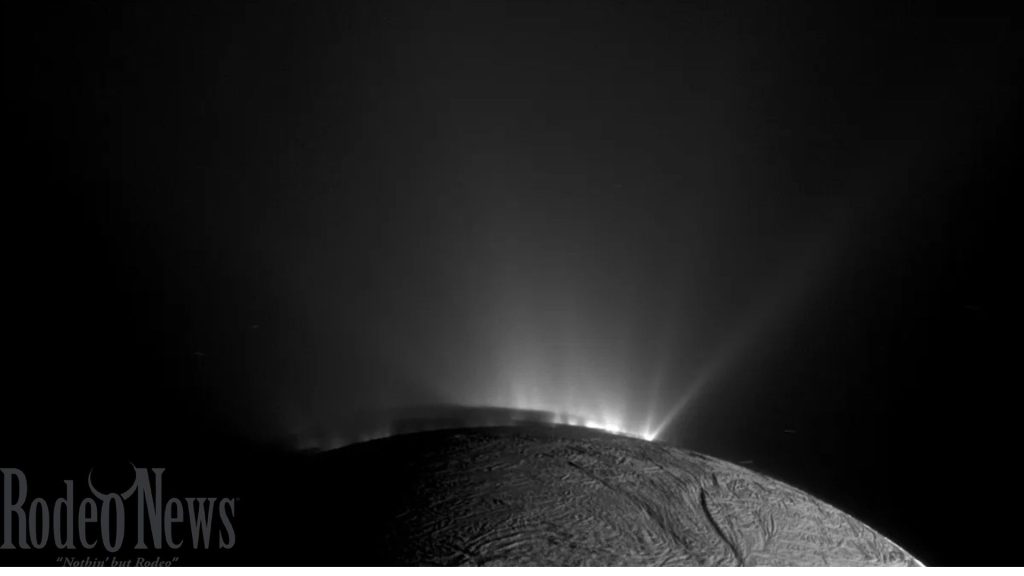
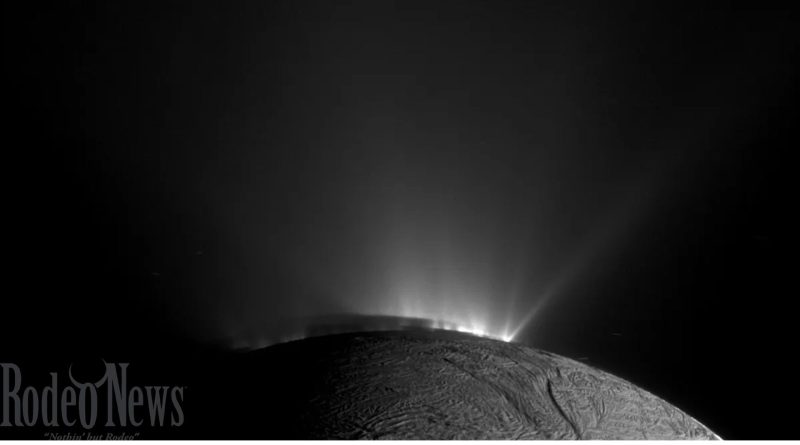
Two decades ago, the Cassini mission unveiled a startling discovery: beneath the frozen surface of Saturn’s moon Enceladus lies a global ocean. Jets of water and ice burst from fractures—nicknamed “tiger stripes”—on its south pole, injecting material into space.
Over the years, researchers analyzed the ice grains and gases in those plumes, detecting simple organics and signs of hydrothermal chemistry. But a key question remained: were those molecules synthesized in the subsurface ocean, or generated later by surface or space processes?
A recent re-analysis of Cassini’s Cosmic Dust Analyzer (CDA) data brings clarity: fresh, high‑velocity ice grains—so new they traversed only minutes before detection—carry complex organic fragments that strongly point to an oceanic origin.
What’s New: Complex Organics from Below
- Scientists found molecular fragments consistent with aliphatics, cyclic esters/alkenes, ethers, and compounds bearing nitrogen and oxygen.
- These same chemical groups are known on Earth to act as intermediates in reaction pathways toward amino acids, nucleotides, and other biologically relevant molecules
- Crucially, the matching of organic signatures between older E‑ring samples and freshly ejected grains confirms that the chemicals are not artifacts produced during their time in space
In short: we’re no longer dealing with simple hydrocarbons or borderline detections. The molecular complexity observed demands a dynamic chemical factory beneath Enceladus’s icy shell.
Ingredients of Habitability — All in One Place
To consider a world potentially habitable, scientists look for certain core ingredients:
- Liquid water — Enceladus’s ocean provides this.
- Chemical building blocks — Now confirmed in complexity.
- Energy sources — Evidence points to ongoing hydrothermal activity within the moon’s rocky interior.
Put together, Enceladus appears to check many boxes: water, energy, and chemistry. The leap from chemistry to life, however, remains unproven.
Still a Key Unknown — Could These Be False Positives?
Some caution remains necessary. Radiation-driven reactions on ice surfaces or within the plumes could, theoretically, generate organics—even complex ones. In other words, not all detected molecules must originate in the ocean.
Moreover, because the CDA shatters incoming grains, the molecular detections come as fragments. Piecing them into intact parent compounds carries uncertainty.
What Comes Next
European Space Agency (ESA) and other space agencies are already conceptualizing future missions to Enceladus. A combined orbiter and lander mission, targeting the south polar vents, could one day directly sample plumes or even perform subsurface drilling. European Space Agency+1
Every new mission will aim to:
- Better identify intact organics and biomarkers
- Map the spatial and temporal dynamics of plume chemistry
- Correlate chemistry with geophysical activity
- Search for any signs of biological processes
If those efforts detect unambiguous biosignatures—such as specific ratios of isotopes, celllike molecules, or metabolic byproducts—Enceladus may shift from “candidate for life” to “world with life.”