Pixel 11 Alternatives: 5 Cheaper Android Phones
The Pixel 11 alternatives market is looking increasingly attractive for Android shoppers who want premium features without paying Google’s full flagship price. The Pixel 11 starts at $899 in the United States and combines upgraded cameras, Google’s Tensor G6 processor, Gemini-powered features and a long software-support commitment.
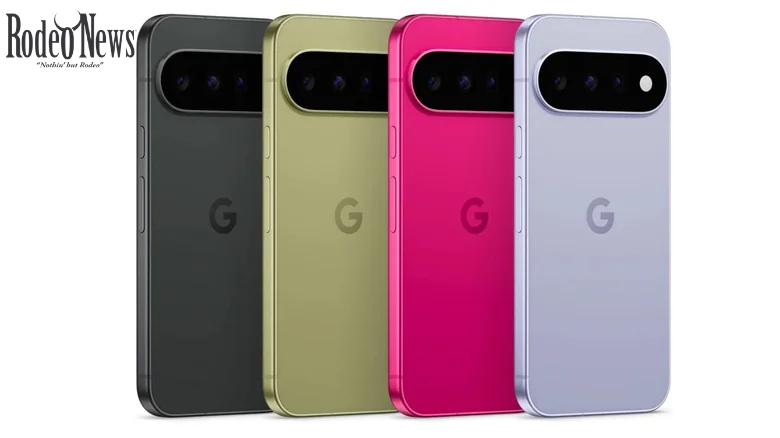
That makes the Pixel 11 an impressive all-round smartphone. However, not everyone needs to spend nearly $900 on a new phone.
Several cheaper Android devices offer excellent displays, fast processors, large batteries or capable camera systems. Some even provide advantages that the Pixel 11 does not emphasize, such as gaming-focused cooling, extremely fast refresh rates or lighter designs.
BGR recently highlighted five phones that can give shoppers a cheaper route into the premium Android market.
Here are the five Pixel 11 alternatives worth considering in 2026.
1. Pixel 10 Is One of the Best Pixel 11 Alternatives
For shoppers who already like Google’s software, the Pixel 10 is arguably the easiest choice among the Pixel 11 alternatives.
The Pixel 10 is a generation older, but it remains a capable smartphone. BGR notes that it features a 6.3-inch 120Hz display and Google’s previous-generation Tensor G5 processor. More importantly, promotions have pushed the Pixel 10 as low as $449, well below its original $799 price.
That price difference can be significant.
The Pixel 11 brings newer hardware and Google’s Tensor G6 processor. Google says the new chip powers the company’s latest Gemini features while also bringing improvements in performance and security.
Still, the Pixel 10 retains the core Pixel experience.
Users get Google’s version of Android, Pixel-exclusive software features and a camera system designed around Google’s computational photography. It also benefits from Google’s seven-year update policy, according to BGR.
For everyday activities such as messaging, social media, browsing, photography and video streaming, the older phone can still provide plenty of performance.
The Pixel 10 therefore makes the most sense for shoppers who want a Pixel but care more about value than having the newest generation.
Why Choose the Pixel 10?
The biggest reason is simple: price.
A discounted Pixel 10 can cost hundreds of dollars less than the Pixel 11. That money could instead go toward accessories, a smartwatch, wireless earbuds or simply remain in your bank account.
The compromise is equally clear. The Pixel 11 has newer hardware and a more advanced feature set.
Best for: Pixel fans who want flagship-style software at a much lower price.
Main drawback: Older processor and hardware compared with the Pixel 11.
2. Galaxy S25 Is a Strong Premium Alternative
Samsung’s Galaxy S25 remains another compelling option for buyers searching for Pixel 11 alternatives.
BGR lists the Galaxy S25 at $799, putting it below the $899 starting price of the Pixel 11. The phone combines a Snapdragon 8 Elite processor with a 6.2-inch Dynamic AMOLED display running at 120Hz.
Its camera setup is also versatile.
The Galaxy S25 features a 50MP main camera, a telephoto camera with 3x optical zoom and additional camera hardware. That gives Samsung’s phone a useful combination of everyday photography and optical zoom capabilities.
This makes the Galaxy S25 especially interesting for users who do not want to leave the premium Android category.
Samsung also offers a mature software ecosystem through One UI and its wider Galaxy product family. Users with Samsung tablets, watches or earbuds can benefit from that integration.
The Galaxy S25 is not the newest Galaxy flagship anymore, but that is precisely why it can make financial sense.
Previous-generation flagship phones often become much more attractive when their prices fall while their hardware remains powerful enough for everyday use.
Galaxy S25 FE Offers Another Option
Buyers with an even smaller budget can consider Samsung’s Galaxy S25 FE.
BGR places the S25 FE at around $650. It has a larger 6.7-inch 120Hz display, although it uses Samsung’s Exynos 2400 processor instead of the Snapdragon chip found in the standard S25. Its telephoto camera is also downgraded to an 8MP sensor.
That means the S25 FE is better viewed as a value-focused Samsung option rather than a direct Pixel 11 rival.
Best for: Buyers who want premium Samsung hardware and a versatile camera system for less money.
Main drawback: Older-generation hardware and some compromises compared with newer flagships.
3. OnePlus 15R Prioritizes Performance and Battery Life
The OnePlus 15R takes a very different approach.
Instead of trying to beat Google’s Pixel phones primarily through camera processing, the OnePlus 15R focuses heavily on performance, battery capacity and its high-refresh-rate display.
BGR lists the phone at $700, with 12GB of RAM and 256GB of storage. It also features a large 7,400mAh battery and a 6.83-inch AMOLED display capable of reaching 165Hz.
Those specifications make the OnePlus 15R particularly attractive to gamers.
A high-refresh-rate display can make compatible games and scrolling feel smoother. Meanwhile, the large battery provides additional endurance for users who spend long periods watching videos, playing games or browsing away from a charger.
The phone does make compromises to reach its lower price.
BGR specifically points to the absence of a telephoto camera and wireless charging.
That matters if photography is a major reason for upgrading.
Google’s Pixel strategy places enormous emphasis on computational photography. The Pixel 11 also introduces new camera-related capabilities such as Magic Capture, which Google says can analyze hundreds of frames during a session to help select well-timed moments.
The OnePlus 15R is therefore better suited to a different type of customer.
If your priority is gaming, battery life and display smoothness, the OnePlus 15R could provide more value than spending $899 on a Pixel 11.
Best for: Gamers and heavy users who prioritize battery life and performance.
Main drawback: Camera capabilities are less comprehensive than Google’s flagship approach.
4. RedMagic 11 Pro Is a Powerful Gaming Alternative
For serious mobile gamers, the RedMagic 11 Pro may be the most specialized option among these Pixel 11 alternatives.
The phone is designed around gaming performance rather than trying to be an all-purpose camera flagship.
RedMagic lists the 11 Pro with a Snapdragon 8 Elite Gen 5 processor and its dedicated RedCore R4 gaming chip. Configurations go as high as 24GB of RAM and 1TB of storage.
The battery is equally impressive.
RedMagic lists a 7,500mAh battery with support for 80W wired and wireless charging. The phone also uses the company’s AquaCore liquid-cooling system to help manage heat during demanding gaming session
Gaming-focused features extend beyond raw specifications.
The RedMagic 11 Pro includes 520Hz shoulder triggers, a 3.5mm headphone jack, Game Space features and a high-resolution AMOLED display.
The current official RedMagic listing shows a $699 starting price, although availability can change and the listed configuration was shown as out of stock when checked.
There are compromises, however.
BGR notes that the RedMagic 11 Pro does not have a telephoto camera and offers shorter software support than Google’s Pixel 11. The company promises two major Android updates and five years of security patches.
For gamers, that may be an acceptable tradeoff.
For someone who wants to keep a phone for many years and cares about photography, the Pixel 11 remains the more balanced choice.
Best for: Serious mobile gamers.
Main drawback: Camera versatility and software longevity are weaker than the Pixel 11.
5. Motorola Edge 2026 Is a Lightweight Value Pick
The Motorola Edge 2026 is another interesting choice for buyers comparing Pixel 11 alternatives.
Its strongest advantages are its lightweight design, bright display and large battery.
Motorola’s official specifications list a weight of just 160.5 grams, a 6.3-inch Extreme AMOLED display with up to a 120Hz refresh rate and a 5,000mAh battery. The phone also supports 60W wired charging and 15W wireless charging.
The display is particularly impressive.
Motorola lists peak brightness of up to 5,200 nits, along with HDR10+ support and 100% DCI-P3 color coverage.
That makes the Edge 2026 appealing for people who spend a lot of time watching videos or using their phone outdoors.
The camera hardware is also more versatile than some cheaper phones.
Motorola lists a 50MP main camera, a 50MP ultrawide camera and a 10MP telephoto camera with 3x optical zoom.
However, hardware specifications do not tell the entire story.
BGR argues that Google’s image processing produces more consistent results, particularly in difficult lighting. The Motorola also uses the MediaTek Dimensity 7450, which is not positioned as a direct performance competitor to Google’s Tensor G6.
Software support is another consideration.
BGR reports that Motorola promises three years of support for the Edge 2026, while Google offers seven years for the Pixel 11.
For buyers who replace phones frequently, that difference may not matter.
For anyone planning to keep the same phone for half a decade or longer, Google’s longer support commitment becomes much more important.
Best for: Users who want a lightweight phone, bright display and fast charging.
Main drawback: Shorter software support and weaker overall performance than the Pixel 11.
Which Pixel 11 Alternatives Are Worth Buying?
There is no single winner because these phones target different buyers.
The Pixel 10 is the natural choice for people who want Google’s software and camera experience at a dramatically lower price.
The Galaxy S25 is better suited to shoppers who prefer Samsung’s hardware, display technology and One UI ecosystem.
The OnePlus 15R makes more sense for people who prioritize battery life, gaming and a high-refresh-rate screen.
The RedMagic 11 Pro is the most specialized option for serious gamers who want maximum performance, cooling and battery capacity.
Finally, the Motorola Edge 2026 offers a lightweight design, bright display and useful camera hardware at a lower price.
Is the Pixel 11 Still Worth Buying?
Yes.
The existence of cheaper phones does not make the Pixel 11 a bad purchase.
Google’s latest flagship combines upgraded cameras, Tensor G6 performance, Gemini Intelligence features and long-term software support. Google officially lists the Pixel 11 starting at $899 in the United States.
The question is whether you need everything it offers.
For photography enthusiasts, long-term users and people who want Google’s newest AI features, the Pixel 11 remains compelling.
But a buyer who mainly needs messaging, social media, streaming, browsing and casual photography may not notice enough of a difference to justify spending hundreds of dollars more.
That is where these Pixel 11 alternatives become valuable.
The Bottom Line
The best smartphone is not always the most expensive smartphone.
The Pixel 11 is a highly capable flagship, but its $899 starting price leaves room for cheaper Android phones to compete on value. The Pixel 10 can deliver a familiar Google experience for considerably less, while the Galaxy S25 provides premium Samsung hardware.
Meanwhile, the OnePlus 15R and RedMagic 11 Pro focus heavily on performance and battery life. The Motorola Edge 2026 takes another route with a lightweight body, bright display and fast charging.
Before buying, decide which features actually matter to you.
If cameras and long-term updates are the priority, the Pixel 11 remains difficult to beat. If value, gaming, battery life or display technology matter more, one of these cheaper phones could be the smarter purchase.
That is ultimately the biggest advantage of today’s Android market: shoppers have more choices than ever, and spending less does not necessarily mean settling for less.