Strait of Hormuz Crisis Enters a Dangerous New Phase
The Strait of Hormuz has once again become the center of a rapidly escalating confrontation between the United States and Iran, with fresh military strikes threatening commercial shipping, energy markets and stability across the Persian Gulf.
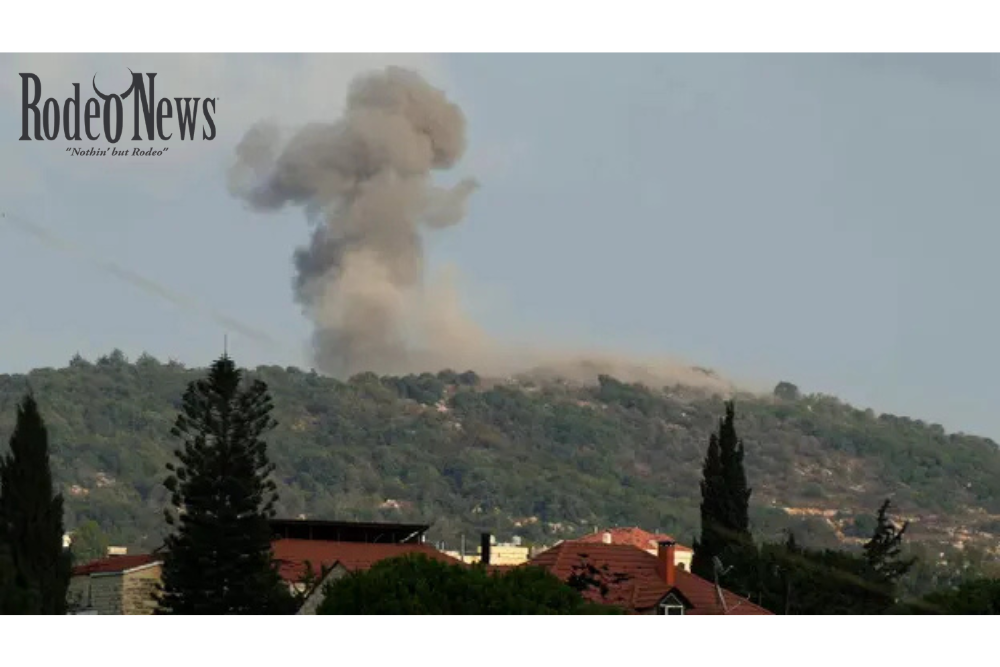
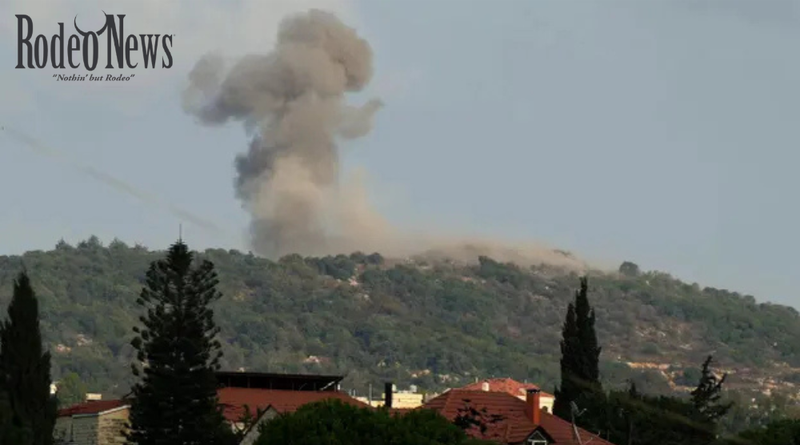
The latest developments follow renewed U.S. military action against Iranian targets and Iranian retaliation across the region. The escalation has ended a period of relative calm and raised new questions about whether the conflict could expand into a broader regional war.
Reuters reported that oil prices climbed to fresh six-week highs on Sept. 3 after new U.S. strikes on Iran and renewed threats from Israel. The market reaction reflects growing concern that military escalation could interfere with energy shipments through one of the world’s most strategically important waterways.
The Strait of Hormuz is especially important because enormous volumes of oil and other energy products normally move through the narrow passage connecting the Persian Gulf with the Gulf of Oman.
Any sustained disruption could therefore affect not only countries in the Middle East but consumers and businesses around the world.
1. New U.S. Strikes Raise Tensions Around the Strait of Hormuz
The latest U.S. military operations represent another major escalation in the conflict with Iran.
Earlier U.S. strikes targeted Iranian military assets, including rocket launchers and other systems associated with threats to shipping around the Strait of Hormuz.
The Pentagon has presented its military actions as efforts to protect American forces and commercial shipping while imposing costs on Iranian forces accused of threatening vessels in international waters.
The situation is particularly sensitive because the Strait of Hormuz is not simply another shipping route.
It is a critical international energy corridor.
When military forces operate around the waterway, shipping companies must consider the possibility of attacks, mines, missiles, drones and other threats.
That can increase insurance costs and make some operators reconsider whether vessels should enter the area.
2. Iran Has Responded With Attacks Across the Gulf
Iran has also escalated its response.
Associated Press reported that Iran fired on Kuwait as part of retaliation for U.S. bombardments earlier in the week. The attacks came as tensions spread beyond the immediate U.S.-Iran confrontation.
Other Gulf states have also faced increased security concerns.
The danger is that the conflict could gradually expand from direct U.S.-Iran military action into a wider confrontation involving American bases, Gulf states, commercial vessels and other regional actors.
That possibility is one reason governments throughout the region are closely monitoring developments.
The United Arab Emirates, Bahrain, Kuwait, Qatar and Saudi Arabia all have strategic interests tied to the security of the Gulf.
A larger conflict could threaten military installations, ports, airports, oil infrastructure and shipping routes.
3. Why the Strait of Hormuz Matters to the World
The Strait of Hormuz is one of the most important energy chokepoints on Earth.
At its narrowest point, the waterway is only about 21 miles wide. Yet enormous quantities of oil and petroleum products pass through it.
Before the current conflict, roughly one-fifth of global oil and natural-gas trade normally moved through the waterway.
That means even a partial disruption can have consequences far beyond Iran and its neighbors.
If tankers are forced to wait outside the Gulf, shipping costs can rise.
If vessels need to take longer alternative routes, delivery times can increase.
If insurers consider the region too dangerous, premiums can rise sharply.
And if oil traders believe that future supplies are at risk, crude prices can rise even before a major physical shortage develops.
That is exactly why financial markets are watching the conflict so closely.
4. Oil Prices Are Already Feeling the Pressure
The latest military developments have added new pressure to global energy markets.
Reuters reported that oil prices reached fresh six-week highs on Thursday as traders reacted to renewed U.S.-Iran fighting and the possibility of additional disruption.
Energy markets are extremely sensitive to the Strait of Hormuz because of its role in global petroleum transportation.
The reaction does not necessarily mean the world is immediately facing an oil shortage.
Instead, markets are pricing in risk.
Investors and traders are asking whether the conflict could make it harder for tankers to move safely through the region.
They are also considering whether Iran could take additional steps against shipping or whether the United States could expand military operations.
The longer uncertainty continues, the greater the potential impact on prices.
Higher crude prices can eventually translate into higher costs for gasoline, diesel, aviation fuel, transportation and manufacturing.
That makes the Strait of Hormuz crisis an economic issue as well as a military one.
5. Commercial Shipping Faces Growing Risks
Commercial vessels are among the most vulnerable players in the crisis.
A tanker or cargo ship traveling through a conflict zone cannot simply change course at the last minute without consequences.
Operators must consider navigation, insurance, crew safety, cargo security and port availability.
The threat is also difficult to predict.
A vessel could potentially face missiles, drones, small boats or other military activity.
Even without an actual attack, warnings about military operations can cause companies to delay departures.
The result can be a buildup of ships waiting outside the area.
Such delays create additional costs for businesses and can disrupt supply chains.
The effects could eventually reach consumers if transportation and energy costs remain elevated.
6. The Conflict Could Become a Wider Regional War
One of the biggest concerns is that the latest escalation may not remain limited to Iran and the United States.
AP reported that Iranian attacks have already targeted U.S. allies in the Gulf following American strikes.
That creates a dangerous chain reaction.
If Iran attacks a Gulf country, the United States could respond.
If American forces respond, Iran could launch additional attacks.
Regional governments could then become more directly involved.
The cycle could become increasingly difficult to stop.
The Middle East already contains multiple overlapping conflicts and military rivalries. A major escalation around the Strait of Hormuz could connect several of those pressure points.
That is why diplomatic efforts remain important even while military operations continue.
7. Trump’s Warning Adds to Uncertainty
President Donald Trump has warned that Iran could face severe consequences if it retaliates against American forces.
Fox News reported that Trump has threatened further action and said the United States remains prepared to strike Iran.
Such warnings are designed to deter Iran from expanding its attacks.
However, they also demonstrate how quickly the confrontation could escalate.
If both sides believe that backing down would weaken their strategic position, negotiations become more difficult.
The risk is that each military action produces another response.
Eventually, the conflict could move beyond the original objectives of either side.
The Strait of Hormuz Is Also a Major Strategic Chokepoint
The importance of the Strait of Hormuz extends beyond oil.
The waterway connects the Persian Gulf with international shipping routes leading toward the Arabian Sea and Indian Ocean.
Countries including Saudi Arabia, Iraq, Kuwait, Bahrain, Qatar and the United Arab Emirates depend heavily on secure maritime access.
Iran also has a long coastline along the waterway.
That geography gives Tehran significant strategic leverage.
Iran has repeatedly demonstrated that it can threaten shipping in the region, while the United States maintains substantial military capabilities designed to protect maritime traffic.
This creates a delicate balance.
Neither side necessarily needs to completely close the waterway to create economic damage.
Even the perception that shipping is unsafe can be enough to affect global markets.
What Happens If Shipping Through Hormuz Is Disrupted?
A prolonged disruption would likely have several consequences.
First, oil prices could rise significantly.
Second, tanker insurance costs could increase.
Third, shipping companies could reroute some vessels where alternatives are available.
Fourth, countries that rely heavily on imported energy could face higher costs.
Finally, central banks could face additional inflation pressure if energy prices remain elevated.
Not every consequence would appear immediately.
Energy contracts, strategic petroleum reserves and alternative transportation routes could provide some protection.
However, the longer a disruption lasts, the more difficult it becomes for the global economy to absorb.
Could the United States Protect Commercial Shipping?
The United States has substantial naval and air capabilities in the Middle East.
American forces have repeatedly emphasized their ability to protect shipping and respond to attacks.
But maintaining security in the Strait of Hormuz is complicated.
The waterway is narrow.
Ships operate near the territorial waters of several countries.
Military forces must also distinguish between legitimate commercial traffic and hostile activity.
A single miscalculation could trigger a much larger confrontation.
For that reason, military deterrence is only one part of the equation.
Diplomatic communication remains essential.
Iran Faces Its Own Economic Risks
While Iran can use the Strait of Hormuz as strategic leverage, prolonged disruption could also hurt Iran.
The country depends heavily on oil revenues.
If international shipping becomes more dangerous, Iran’s own ability to export energy could suffer.
Sanctions already restrict Tehran’s access to global markets.
Additional disruption could further isolate the Iranian economy.
That creates a difficult strategic calculation for Iranian leaders.
They can use military pressure to raise the costs of the U.S. campaign, but excessive escalation could also damage Iran’s economic interests.
Global Markets Are Watching the Next Move
Financial markets are now focused on several questions.
Will the United States conduct additional strikes?
Will Iran retaliate again?
Will Gulf states become more directly involved?
Will commercial shipping continue through the Strait of Hormuz?
And, perhaps most importantly, can the conflict return to negotiations?
Each answer could affect oil prices, stock markets and global economic expectations.
Investors are particularly sensitive to developments involving energy infrastructure and shipping.
The uncertainty itself can create volatility.
What Consumers Should Watch
For ordinary consumers, the most visible impact could eventually appear at the gas pump.
Higher crude prices can increase gasoline and diesel costs, although the relationship is not immediate or one-to-one.
Airline fuel costs could also rise.
Transportation companies may face higher expenses.
Those costs can eventually affect food, manufactured products and other goods.
However, consumers should not assume that every military escalation will automatically produce a dramatic increase in gasoline prices.
The size and duration of the disruption are crucial.
A short-lived crisis may create only temporary market volatility.
A prolonged interruption could be much more serious.
The Next Few Days Could Be Critical
The immediate future of the Strait of Hormuz crisis will depend heavily on what happens next.
If the United States limits its military operations and Iran avoids major attacks on American or allied targets, tensions could eventually stabilize.
If both sides continue exchanging strikes, however, the risk of a wider conflict will increase.
The biggest danger may be an unexpected incident involving a commercial vessel.
A serious attack on a tanker, a military ship or a major energy facility could rapidly change the calculations of governments throughout the region.
That is why international officials are watching the waterway closely.
Bottom Line
The Strait of Hormuz has once again become a crucial flashpoint in the U.S.-Iran conflict.
New American strikes, Iranian retaliation and growing concern about commercial shipping have pushed the region into another dangerous period.
The stakes are exceptionally high because the waterway is central to global energy transportation.
A prolonged disruption could increase oil prices, raise shipping costs and add pressure to economies already dealing with inflation and geopolitical uncertainty.
At the same time, attacks involving Gulf states create the possibility of a much wider regional confrontation.
For now, the most important question is whether military escalation can be contained.
If Washington and Tehran continue exchanging attacks, the Strait of Hormuz could become not only the center of the military confrontation but also one of the biggest threats to global energy security.
The coming days will show whether the latest escalation becomes another temporary crisis or the beginning of a much larger phase of the U.S.-Iran war.