
Sea turtle eggs California discovery makes history
The discovery of sea turtle eggs California officials are now protecting has marked an extraordinary first for the U.S. West Coast. An endangered olive ridley sea turtle came ashore in Orange County and laid eggs on a Southern California beach, according to the National Oceanic and Atmospheric Administration and local officials.
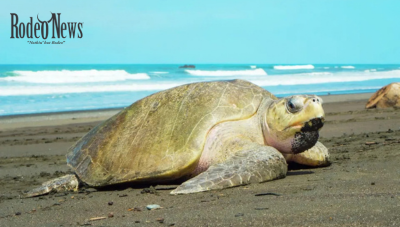
The historic nesting event happened Sept. 16 near Seal Beach. Lifeguards initially believed a turtle struggling in the sand might be injured. Instead, they watched as the animal dug into the beach and began laying eggs.
Three days later, another olive ridley turtle was seen nesting near the Huntington Beach Pier, several miles from the first site.
Scientists have not determined whether the two sightings involved the same turtle or two different animals.
Either way, the discoveries have attracted attention because sea turtles have never before been documented naturally nesting on a California beach.
Sea turtle eggs California officials are protecting
The first nest was identified after lifeguards observed the turtle digging into the sand near Seal Beach.
Rather than being sick or injured, the turtle was carrying out a natural nesting behavior rarely seen so far north. Officials quickly moved to protect the area and prevent beachgoers from disturbing the nest.
The second nesting site was later identified near Huntington Beach.
NOAA said both locations have been fenced and marked with signs. Authorities and conservation partners are expected to monitor the nests while the eggs develop.
Sea turtle eggs typically require about 45 to 60 days to hatch, although conditions can influence the timing.
The protection effort is particularly important because the nests are located on heavily used Southern California beaches.
Olive ridley turtle reaches Southern California
The turtle species involved is the olive ridley, one of seven recognized species of sea turtles.
Olive ridleys are relatively small compared with some other sea turtles. NOAA says adults can reach roughly 3 feet in length and weigh as much as 100 pounds. The species is distributed through tropical and subtropical waters around the world.
In the Pacific, olive ridleys typically occupy warmer waters along coastlines extending from Mexico toward Central America.
They can occasionally travel into Southern California waters, particularly when ocean conditions are warmer.
However, nesting is a different matter.
NOAA said the species had never previously been documented laying eggs on a California beach. The latest discoveries therefore represent a significant change in what scientists have observed along the state’s coastline.
Why did the sea turtle nest in California?
Scientists do not yet have a definitive explanation for why the turtle came so far north to reproduce.
Sea turtles generally return to familiar nesting areas. Olive ridleys are more commonly associated with tropical beaches, making Southern California an unusual location for reproduction.
Several possibilities are being considered.
One factor could be unusually warm ocean conditions. Experts cited by SFGATE pointed to this year’s strong El Niño conditions and heat affecting waters near California. Warmer currents can influence where marine animals travel and may make areas farther north temporarily more suitable.
Changing environmental conditions could also influence nesting behavior.
The turtle may have encountered different conditions in its traditional habitat, including changes in water temperature, beach conditions or available nesting areas.
Another possibility is natural variation.
Individual turtles can sometimes behave differently from the larger population. A rare nesting event does not necessarily mean that olive ridleys are permanently moving their breeding range north.
Researchers will need more observations over time to determine whether the California nests represent an isolated event or part of a broader change.
A first for the U.S. West Coast
The significance of the discovery extends beyond California.
NOAA’s West Coast Fisheries division described the event as the first recorded natural nesting of any sea turtle species on the West Coast of the United States.
That makes the Orange County beaches an unexpected location in the history of marine conservation in the region.
Sea turtles have been documented in California waters before. The difference is that previous sightings did not establish that the animals were using California beaches to reproduce.
The new nests provide direct evidence of nesting activity.
That distinction is important for scientists because nesting behavior can provide information about changes in habitat use and environmental conditions.
Huntington Beach nest draws visitors
The discovery near Huntington Beach quickly became a point of public interest.
Visitors came to see the protected nesting area after authorities placed fencing and signs around the site.
For residents and beachgoers, the event offered a rare opportunity to witness an unusual wildlife occurrence. But conservation officials emphasized that people should keep their distance.
SFGATE reported that visitors should remain at least 30 feet away from nesting turtles and avoid touching the protective fencing or signs. Anyone who discovers another nesting turtle should notify local authorities or appropriate wildlife organizations rather than approaching the animal.
Keeping people away from the nest is essential.
Sea turtles can be sensitive to human activity, especially while females are coming ashore to nest. Lights, noise and crowds can interfere with their behavior and potentially cause them to abandon a nesting attempt.
The eggs face serious challenges
Although the discovery is encouraging, the presence of a protected nest does not guarantee that the eggs will hatch.
Sea turtle nests face numerous natural threats.
Predators can reach eggs beneath the sand. Coyotes and stray dogs may disturb or consume eggs, while birds and other predators can threaten hatchlings after they emerge.
Weather and ocean conditions can also affect the nests.
Strong tides, storms and beach activity may create additional challenges for eggs buried relatively close to the shoreline.
Even after successful hatching, the young turtles face a dangerous journey from the nest to the ocean.
Only a very small percentage of sea turtle hatchlings survive to adulthood. The Olive Ridley Project estimates that approximately one in 1,000 sea turtle hatchlings reaches adulthood, according to the SFGATE report.
That survival rate helps explain why conservationists are taking precautions around the California nests.
Why warm water could matter
Ocean temperature is one of the most closely watched factors surrounding the unusual nesting event.
Olive ridleys are strongly associated with warmer waters. Southern California occasionally experiences periods when warm currents extend farther north than usual.
This year’s El Niño conditions could have contributed to the turtle’s movement, according to experts cited by SFGATE. The unusually warm Pacific may have changed the animal’s route or influenced the conditions it encountered near the California coastline.
However, scientists have not established that El Niño directly caused the nesting.
The event could have resulted from several interacting environmental factors.
Researchers will likely need additional observations before determining whether the nesting represents a meaningful shift in the species’ range.
What happens to the California sea turtle eggs?
For now, the priority is protecting the nests and allowing nature to take its course.
Officials have established protected areas around both reported nesting locations. The eggs are expected to remain undisturbed while they incubate.
The typical incubation period is approximately 45 to 60 days.
That means the public could potentially witness hatchlings emerging from the sand later in the season if the nests remain viable.
Conservation officials are not planning to interfere unnecessarily.
Instead, monitoring teams will watch the protected areas and respond if conditions require intervention.
The goal is to give the eggs the best possible opportunity to develop naturally.
A remarkable moment for California wildlife
The discovery of sea turtle eggs California researchers are now monitoring has created a rare moment for wildlife conservation.
An olive ridley turtle choosing an Orange County beach as a nesting site was unexpected because the species normally reproduces much farther south.
The two confirmed nesting events also raise important questions about how marine animals respond to changing environmental conditions.
For now, scientists are cautious about drawing broad conclusions.
It is not yet clear whether California will see more olive ridley nesting in the future, whether the September sightings involved one turtle or two, or whether unusual ocean conditions were primarily responsible.
But the nests have already established a remarkable record.
A sea turtle has naturally laid eggs on a California beach for the first time in recorded history.
And for the next several weeks, conservation officials will be watching closely to see whether those eggs produce another extraordinary chapter in the story of California’s coastline.