
Trump Rejects Iran Ceasefire Offer as U.S. Helps Increase Oil Flows Through Strait of Hormuz
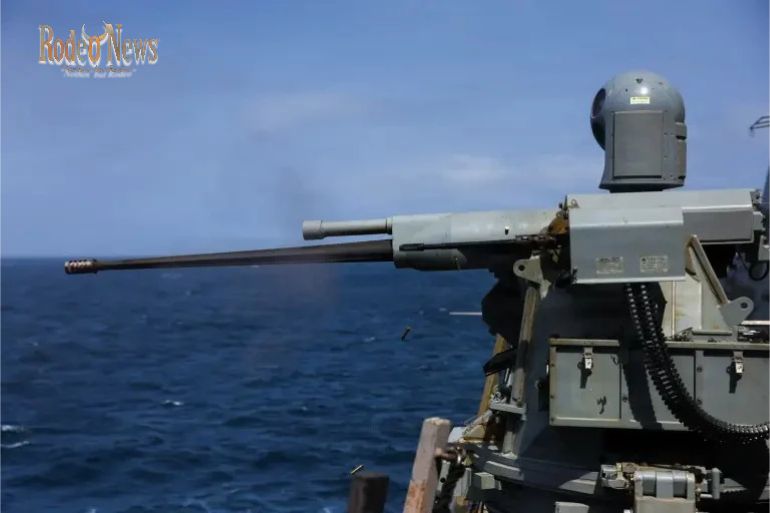
President Donald Trump has rejected Iran’s latest proposal for a temporary ceasefire and a phased reopening of the Strait of Hormuz, even as U.S. military operations are helping more oil tankers move through the strategically important waterway.
The developments highlight the complicated balance between diplomacy, military pressure and global energy markets as the conflict between the United States and Iran continues into its eighth month.
Iran had proposed a seven-day framework under which the Strait of Hormuz would be fully reopened and nuclear negotiations with Washington would resume. In exchange, Tehran sought an end to the U.S. naval blockade, the release of frozen Iranian assets and the lifting of sanctions affecting its oil exports.
Trump said Saturday that he had rejected the proposal, arguing that the terms offered by Iran did not meet Washington’s requirements. He nevertheless indicated that he remained open to reaching an agreement under different conditions.
The rejection came as the U.S. military was facilitating a significant increase in oil shipments leaving the Persian Gulf. According to data cited by Fortune, an estimated 13 million barrels of crude per day were moving beyond the U.S. blockade line by Wednesday, roughly twice the amount recorded less than a month earlier. Another estimate put recent flows through the strait at about 13.5 million barrels per day.
U.S. Military Escorts Increase Oil Shipments
The rise in shipments represents a major change from the earlier stages of the conflict, when tanker movements through the Strait of Hormuz were severely restricted.
The waterway remains one of the world’s most important energy chokepoints. Before the war began, approximately one-fifth of global oil and liquefied natural gas supplies passed through Hormuz. Any prolonged disruption therefore has consequences for energy markets far beyond the Persian Gulf.
For weeks, U.S. forces had been helping commercial vessels navigate the strait primarily at night, when the risk of detection and attack was considered lower. Those restrictions limited the number of tankers able to pass through the waterway each day.
More recently, however, U.S. military operations have supported daytime tanker movements. Fortune reported that American forces and Gulf countries began facilitating daytime transits after U.S. strikes weakened Iran’s ability to detect commercial vessels and the Navy cleared mines from the main shipping corridor.
The change has allowed substantially more crude to leave the Gulf, although shipping through the area remains considerably below normal prewar levels.
The increased traffic has also come with substantial additional costs. Tanker operators face higher insurance premiums, increased crew expenses and the continuing risk associated with operating near an active conflict zone. Energy analyst Rory Johnston estimated that the additional cost of moving oil through Hormuz could exceed $30 to $40 per barrel, excluding the expense of U.S. military support.
Iran’s Ceasefire Proposal
Iran’s proposal was designed to create a timetable for reopening the strait while restarting diplomatic discussions with Washington.
Iranian Foreign Minister Abbas Araghchi said the plan would require the United States to lift its naval blockade of Iranian ports, release approximately $12 billion in frozen Iranian assets and remove sanctions affecting Iranian oil exports.
Tehran also sought an end to hostilities across the region before the reopening process could be completed.
Under the proposed timetable, Iran said the initial U.S. measures could be implemented within four or five days. Normal maritime traffic could then resume, with broader negotiations beginning on the seventh day.
The proposal represented an attempt to connect the immediate energy crisis with longer-term negotiations over Iran’s nuclear programme.
Washington, however, has continued to demand guarantees concerning Iran’s nuclear capabilities and the restoration of unrestricted navigation through the Strait of Hormuz.
Those competing conditions have left the two countries far apart despite continuing diplomatic contacts.
Oil Markets Watch the Strait Closely
The latest developments have provided some relief to energy markets because greater volumes of crude are once again leaving the Persian Gulf.
Saudi Arabia has also increased shipments through Hormuz. Reuter