
Dengue Fever Death: Florida Reports First in 2026
A dengue fever death has been confirmed in Florida as health officials respond to an unusual rise in locally acquired infections. The death involves an 80-year-old Hillsborough County woman who died Sept. 4 after developing severe complications from the mosquito-borne viral disease.
The Florida Department of Health confirmed the death following an investigation, according to reports. The case comes as Hillsborough County has recorded more than 130 locally acquired dengue infections in 2026, an unusually high number for an area that typically sees only a small number of cases.
The development has increased attention on dengue fever in Florida and on the mosquitoes capable of transmitting the virus.
Although dengue is strongly associated with tropical and subtropical regions, locally acquired infections can occur in parts of the continental United States. The Centers for Disease Control and Prevention says most dengue infections reported in the continental U.S. have historically involved travelers infected outside the country, but local transmission has also occurred.
Dengue Fever Death Raises Concern in Florida
The woman who died was identified in reports as Gay Small of Hillsborough County. She died on Sept. 4, which was also her 80th birthday, after suffering complications associated with dengue infection.
According to reports, her illness progressed to serious complications including septic shock and multi-organ failure. Her family believes she may have previously contracted dengue while traveling abroad, although the details of her earlier infection have not been independently established as the cause of her later severe illness.
That history is potentially relevant because a previous dengue infection can increase the risk of severe disease during a subsequent infection with a different dengue virus serotype.
The case is particularly notable because locally acquired dengue infections have increased in the Tampa Bay region this year.
The Florida Department of Health has issued mosquito-borne illness alerts for Hillsborough and neighboring Pinellas County as officials work to reduce transmission.
Florida Dengue Cases Have Increased
Florida has reported a significant increase in locally acquired dengue infections in 2026.
The Associated Press reported that Florida had recorded 152 locally acquired dengue infections during the year as of its Sept. 18 report, with more than 130 of those cases occurring in Hillsborough County. The state has seen higher annual totals in previous years, but the concentration of infections in the Tampa Bay area has drawn particular attention.
Locally acquired means a person contracted the virus from a mosquito in the area rather than becoming infected while traveling somewhere where dengue is circulating.
That distinction matters because dengue infections associated with international travel have long occurred in the United States. Sustained local transmission, however, requires infected mosquitoes and susceptible people to be present in the same area.
The CDC says dengue is endemic in several U.S. territories and freely associated states, including Puerto Rico, American Samoa and the U.S. Virgin Islands. In the continental United States, most reported infections occur among travelers, although local transmission has occurred.
What Is Dengue Fever?
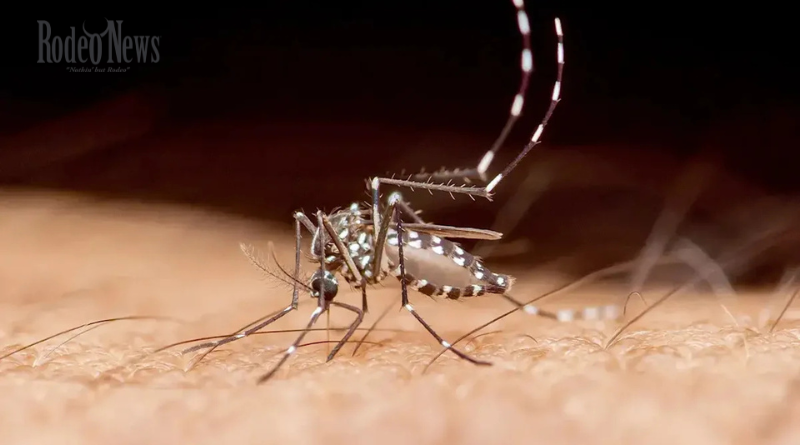
Dengue is a viral infection transmitted primarily by infected Aedes aegypti and Aedes albopictus mosquitoes.
These mosquitoes can also transmit other viruses, including Zika and chikungunya.
Dengue is widespread internationally. The CDC says approximately half of the world’s population lives in areas where dengue outbreaks can occur, while recent years have brought substantial increases in reported infections.
The disease can cause a range of symptoms.
Many infections are mild or produce no symptoms. When symptoms occur, they commonly include:
- Fever
- Severe headache
- Muscle and joint pain
- Nausea
- Vomiting
- Rash
- Pain behind the eyes
Most people with uncomplicated dengue recover after several days to a couple of weeks.
However, a smaller number of patients develop severe dengue, which can become life-threatening.
Severe Dengue Can Develop Quickly
One of the challenges with dengue is that serious complications may appear around the time a person’s fever begins to improve.
Warning signs can include severe abdominal pain, repeated vomiting, bleeding, extreme weakness, restlessness and difficulty breathing.
People experiencing these symptoms after a suspected dengue infection should seek urgent medical care.
Severe dengue can cause problems involving blood vessels, bleeding and major organs. Without appropriate medical management, the condition can become fatal.
The Florida death highlights why public-health officials continue to emphasize prevention even though most dengue infections do not become life-threatening.
Previous Dengue Infection Can Matter
Dengue is caused by four closely related virus types, commonly referred to as serotypes.
A person can become infected more than once during their lifetime.
A previous infection can provide lasting immunity against the same serotype, but it does not provide complete protection against the other dengue serotypes.
Importantly, people who have previously had dengue can face a greater risk of severe disease during a subsequent infection with another serotype.
That is one reason health professionals pay close attention to people with a history of dengue who develop another suspected infection.
In the Florida case, the woman’s family said they believed she had previously contracted dengue during international travel. That account comes from family members and does not establish the precise timing or serotype of any previous infection.
Why Mosquito Control Is Important
Controlling mosquitoes is a major part of preventing local dengue transmission.
A mosquito becomes infected when it bites a person carrying dengue virus. The virus can then multiply inside the mosquito, allowing the insect to transmit dengue when it bites another person.
This creates a cycle of transmission.
If an infected traveler enters an area where competent Aedes mosquitoes are present, those mosquitoes can potentially acquire the virus and transmit it locally.
That is why local dengue cases can increase even when the virus was initially introduced by someone who acquired the infection elsewhere.
Florida mosquito-control agencies have responded with surveillance, testing, spraying and efforts to eliminate breeding sites.
Standing Water Gives Mosquitoes a Place to Breed
Aedes mosquitoes can breed in surprisingly small amounts of standing water.
Common breeding locations around homes can include:
- Buckets
- Flowerpots
- Plant saucers
- Old tires
- Outdoor containers
- Toys left outside
- Clogged drains
- Other objects capable of collecting rainwater
The CDC recommends eliminating or treating containers that hold standing water as part of dengue prevention efforts. Health departments may also conduct inspections and vector-control operations when the risk of local transmission increases.
Removing breeding sites is important because mosquito control is not limited to large bodies of water. Small containers around residential properties can provide suitable habitats.
How People Can Reduce Their Risk
Health officials recommend several practical measures to reduce exposure to mosquitoes.
People can wear long sleeves and long pants when spending time outdoors, particularly in areas with active mosquito transmission.
Using an insect repellent registered for use against mosquitoes can also help. Common active ingredients include DEET, picaridin, IR3535 and oil of lemon eucalyptus.
Homes can also be protected by keeping doors and windows screened and removing standing water from yards, patios and other outdoor areas.
The CDC emphasizes that preventing mosquito bites remains an important way to reduce the risk of mosquito-borne infections.
Florida Is Not the Only U.S. Region Facing Mosquito-Borne Disease
The dengue situation in Florida comes during a broader period of attention surrounding mosquito-borne illnesses in the United States.
West Nile virus has been reported across multiple states, while other diseases, including eastern equine encephalitis, continue to appear periodically.
For example, Michigan confirmed a human case of eastern equine encephalitis in August 2026, its first reported human case since 2021.
However, these diseases are not interchangeable.
West Nile virus, dengue, chikungunya and eastern equine encephalitis are caused by different viruses and involve different transmission cycles. Their geographic patterns and health risks also differ.
The common factor is the role of mosquitoes as disease vectors.
Climate and Mosquito-Borne Disease
Scientists and public-health agencies are also studying how changing environmental conditions affect mosquito populations and disease transmission.
The CDC says climate is one factor influencing vector-borne diseases. Temperature, rainfall and other environmental conditions can affect mosquito populations and the geographic distribution of pathogens. However, climate is only one part of the picture. Land use, human behavior, pest-control practices, health-care access and other factors also influence disease transmission.
That means a warmer climate does not automatically translate into a particular outbreak in a particular location.
Instead, disease risk depends on several factors occurring together, including the presence of competent mosquito species, infected people, suitable environmental conditions and opportunities for transmission.
Why the Florida Outbreak Is Being Closely Watched
The Tampa Bay situation is receiving attention because locally acquired dengue has historically been relatively uncommon in much of the continental United States.
The region has experienced a noticeable increase in locally acquired cases this summer, according to local reporting. Pinellas County, for example, recorded several cases this year after having seen relatively little local dengue activity in recent decades.
Public-health officials have responded with mosquito trapping and testing, property inspections and insect-control operations.
In one reported effort, mosquito-control crews tested 1,500 mosquitoes collected in the area, with the samples testing negative for dengue, according to local reporting cited by Fox News.
Such surveillance can help officials determine whether infected mosquitoes remain present and whether control measures are reducing transmission.
What People Should Watch For
People who live in or have recently traveled to areas where dengue is circulating should be aware of possible symptoms.
A high fever accompanied by intense muscle or joint pain, headache, nausea or rash can be consistent with dengue, although these symptoms can occur with many other illnesses.
Testing may be needed to determine whether dengue is responsible.
Anyone who develops warning signs such as severe abdominal pain, persistent vomiting, bleeding, breathing difficulties or unusual weakness should seek medical attention promptly.
People should also tell health-care providers about recent international travel or possible mosquito exposure because that information can help guide testing and diagnosis.
Dengue Fever Death Underscores the Importance of Prevention
The first confirmed dengue fever death in Florida in 2026 is a reminder that a disease commonly associated with tropical regions can also cause serious illness in the United States.
At the same time, the current Florida situation should be understood in context. Dengue remains much more common in tropical and subtropical parts of the world, and most dengue infections in the continental United States have historically been associated with travel.
The unusual concentration of locally acquired cases in the Tampa Bay area is nevertheless prompting increased mosquito surveillance and control.
For residents, the basic precautions are straightforward: reduce standing water, limit mosquito exposure, use appropriate insect repellent and seek medical attention when serious symptoms develop.
As officials continue monitoring mosquito populations and new infections, the Florida outbreak will provide additional information about how effectively local transmission can be contained.