Apple New CEO John Ternus Takes Charge in 2026
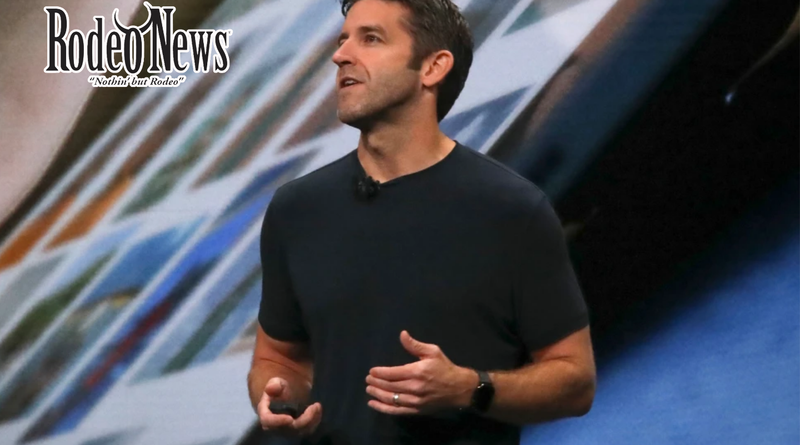
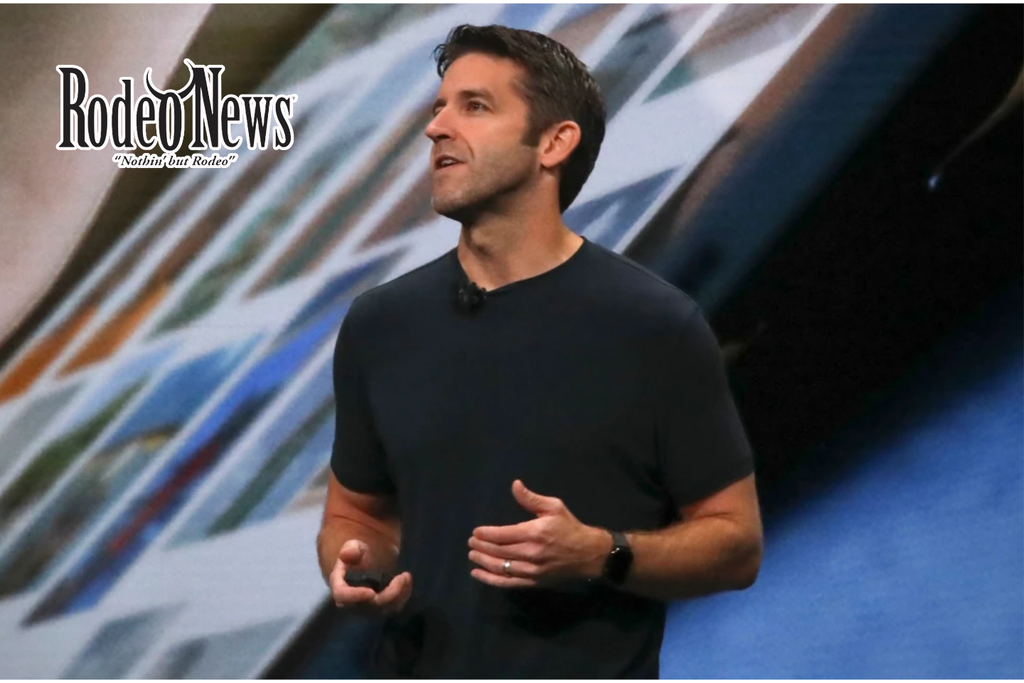
Apple has a new CEO for the first time in 15 years, marking one of the biggest leadership changes in the technology industry’s most valuable companies. John Ternus officially takes over from Tim Cook on Tuesday, September 1, beginning a new chapter for Apple at a critical moment for the company and the wider technology sector.
The leadership transition comes after an extraordinary period under Cook. During his tenure, Apple transformed into a company valued at roughly $4.6 trillion, with the iPhone remaining the central force behind its global business and brand power.
Now, Ternus inherits a company facing a very different competitive environment. Artificial intelligence has become the defining technology race across Silicon Valley, while Apple has struggled to match some rivals in the speed and scope of its AI development.
For the new Apple CEO, the challenge will not simply be maintaining the company’s enormous existing business. Ternus must also demonstrate that Apple can remain a technology leader as artificial intelligence changes how consumers interact with devices and software.
Apple New CEO Begins a New Era
John Ternus is taking control of Apple after years of working behind the scenes on some of the company’s most important products.
Before becoming CEO, Ternus served as Apple’s vice president of Hardware Engineering. His career at the company has included work connected to products such as the Apple Watch, AirPods and Apple Vision Pro.
That engineering background gives Ternus deep knowledge of Apple’s product-development culture. However, running Apple requires much more than expertise in hardware.
The Apple new CEO will now be responsible for decisions involving artificial intelligence, global supply chains, government relations, manufacturing strategy, services and the company’s broader financial direction.
The change therefore represents both continuity and a potential shift in emphasis.
Ternus knows Apple’s products and internal culture. At the same time, his promotion comes at a moment when the company needs to answer difficult questions about where its next major wave of growth will come from.
Tim Cook Leaves Behind a Remarkable Legacy
Tim Cook’s departure from the CEO position closes a remarkable 15-year chapter.
Cook became Apple’s chief executive in 2011, succeeding Steve Jobs. His leadership was initially viewed through the enormous shadow of Jobs, who had become closely associated with Apple’s product innovation and distinctive corporate identity.
Over time, however, Cook established his own leadership style.
Rather than attempting to replicate Jobs, Cook concentrated heavily on operations, supply-chain management, international expansion and the growth of Apple’s services ecosystem.
The result was a company that became significantly larger and more valuable.
According to the Associated Press, Apple’s valuation rose to about $4.6 trillion during Cook’s tenure, with the popularity of the iPhone playing a major role in that growth.
Cook also guided Apple through major business and geopolitical challenges. Those included trade tensions involving the United States and Asian countries where Apple relies on extensive manufacturing and supply-chain networks.
His ability to develop relationships with political leaders became increasingly important as tariffs and trade policy created risks for multinational technology companies.
Why AI Is the Biggest Test for John Ternus
The most immediate challenge facing the Apple new CEO is artificial intelligence.
AI has rapidly changed the technology industry, creating new competition among Apple, Google, Microsoft and other major technology companies.
The technology is influencing search, productivity software, smartphones, cloud computing and consumer assistants. For Apple, the stakes are particularly high because AI is increasingly becoming part of the everyday smartphone experience.
Apple has not moved as quickly as some of its competitors.
The company previously faced criticism after delays and difficulties surrounding promised AI features. The situation created questions about whether Apple could keep pace with companies that had already invested heavily in generative AI and large-scale AI infrastructure.
Apple has since introduced additional AI capabilities, including upgrades to Siri, while emphasizing privacy and practical everyday applications.
Still, the pressure on Ternus will be substantial.
Consumers increasingly expect smartphones to understand natural language, summarize information, perform tasks and provide personalized assistance. The Apple new CEO will therefore have to determine how aggressively the company should invest in AI while preserving the privacy and integrated user experience that distinguish Apple’s ecosystem.
Ternus Must Balance Innovation With Apple’s Identity
One of Ternus’ biggest advantages is his familiarity with Apple’s product-development process.
His engineering background means he understands the importance Apple places on hardware, software integration and user experience.
That could become particularly valuable as AI becomes embedded deeper into Apple’s devices.
Instead of treating AI as a standalone product, Apple has the opportunity to make it part of the iPhone, Mac, Apple Watch, AirPods and other products.
However, achieving that vision will require significant investment.
The company must develop or acquire advanced AI capabilities while ensuring that its systems work reliably and securely. At the same time, Apple must avoid releasing features before they are ready simply because competitors are moving quickly.
That balance could define the early years of the Ternus era.
Apple New CEO Faces a Complicated Supply Chain
AI is not the only major issue confronting Ternus.
Apple’s global supply chain remains one of the most complicated operations in the technology industry. The company depends on manufacturing partners and suppliers across multiple countries, particularly in Asia.
Political tensions and trade policies can therefore have a direct impact on Apple’s costs and product availability.
Cook spent years developing relationships that helped Apple navigate these challenges.
Ternus will now need to establish his own relationships with political leaders, suppliers and business partners.
The transition is particularly significant because former President Donald Trump has been involved in trade and tariff policies that affect Apple’s manufacturing network.
AP reported that Cook is expected to help Apple maintain important relationships after moving into his new role as executive chairman.
That arrangement could provide Ternus with valuable continuity during the transition.
Tim Cook Is Not Completely Leaving Apple
Although Cook is stepping down as CEO, his relationship with Apple will continue.
Cook is moving into the role of executive chairman, meaning his experience and influence will remain available to the company.
That could be especially important during the early stages of Ternus’ leadership.
A CEO transition at a company the size of Apple inevitably creates uncertainty. Investors want to know whether the company’s strategy will change, employees want clarity about leadership priorities, and business partners want reassurance that existing relationships will remain stable.
Cook’s continued involvement could reduce some of those concerns.
His experience with government officials, suppliers and major business leaders may also help Ternus focus more heavily on product and technology strategy while gradually developing his own leadership network.
The Next iPhone Launch Will Be an Early Test
Ternus will not have much time to settle into the job before stepping into one of Apple’s biggest annual events.
According to AP, he is expected to headline the launch of the latest iPhone at Apple’s headquarters in Cupertino, California.
That timing makes the upcoming iPhone launch particularly important.
The event will offer consumers and investors an early look at how Ternus presents Apple and its products. It will also provide an opportunity for the new CEO to establish his public identity.
Cook became closely associated with Apple’s polished corporate presentation style. Ternus will now have to develop his own approach while communicating confidence in Apple’s future.
The iPhone itself remains critical to the company.
Even as Apple expands services, wearables and other product categories, the iPhone continues to sit at the center of its ecosystem.
Any new iPhone generation must therefore deliver enough innovation to encourage upgrades while maintaining Apple’s strong customer loyalty.
What Ternus Brings From Apple’s Engineering Team
Ternus’ background could influence Apple’s approach to product development.
As an engineer, he has spent years working with teams responsible for turning concepts into finished products.
That experience could strengthen Apple’s focus on hardware innovation at a time when software and AI dominate the technology conversation.
The Apple Watch, AirPods and Vision Pro are examples of products connected to the broader hardware ecosystem in which Ternus worked under Cook.
His experience with these products gives him a perspective on how Apple’s devices need to work together rather than exist as isolated products.
That could become increasingly important as AI spreads across Apple’s ecosystem.
A future Siri, for example, could potentially operate across multiple Apple devices, allowing users to move between an iPhone, Mac, Watch and other products without losing context.
For Ternus, the opportunity is to combine Apple’s hardware expertise with stronger software and AI capabilities.
Investors Will Watch for Continuity
Apple’s enormous market value means its leadership transition will receive close attention from investors.
The key question is whether Ternus can maintain the financial performance established during Cook’s tenure while investing heavily enough for the next technology cycle.
Investors will likely focus on several areas.
First is iPhone demand. The smartphone remains Apple’s most important product category.
Second is services. Apple’s growing services business has become an important part of the company’s broader ecosystem and revenue strategy.
Third is AI. Investors will want evidence that Apple can turn its AI investments into products that strengthen customer loyalty and create new opportunities.
Finally, there is the question of capital allocation.
Apple has enormous financial resources, but technology leadership requires continuous investment. Ternus must determine where that money can produce the greatest long-term advantage.
A Different Kind of Leadership Challenge
Ternus also faces a unique leadership challenge because Apple has already achieved enormous global recognition.
The task is not to build a famous company from scratch.
Instead, the Apple new CEO must protect a highly successful ecosystem while finding the next major opportunity.
That can be harder than it appears.
Large companies can become vulnerable when their existing products are extremely successful. A company may become cautious about disrupting products that generate billions of dollars in revenue.
Ternus will therefore have to encourage innovation without unnecessarily damaging the business that already works.
AI could be the catalyst for that transformation.
If Apple successfully integrates AI into its products, the technology could create a new layer of value around the existing ecosystem. If it fails to keep pace, competitors could gain influence over the next generation of consumer technology.
The Beginning of the Ternus Era
John Ternus begins his tenure with a strong foundation.
Apple remains one of the world’s most influential technology companies, its products are used by hundreds of millions of people, and its ecosystem provides a powerful competitive advantage.
At the same time, the company cannot rely indefinitely on the success of the iPhone alone.
Artificial intelligence is changing the industry at extraordinary speed. Competitors are investing heavily in AI models, cloud infrastructure and consumer applications.
The new Apple CEO therefore inherits both an enormous advantage and an enormous responsibility.
Ternus has already demonstrated his understanding of Apple’s hardware culture. His next challenge is proving that he can lead the entire organization through a technological transition that could be as significant as the smartphone revolution itself.
Cook’s 15-year tenure transformed Apple into a financial and operational powerhouse. Now, Ternus must determine what comes next.
His first major test will arrive quickly, with a new iPhone launch providing an early opportunity to demonstrate his leadership.
But the bigger test will take years to unfold.
The question is not simply whether Apple can continue selling successful products. It is whether Ternus can position the company for the next era of technology while preserving the qualities that made Apple one of the world’s most valuable brands.
For Apple, September 1, 2026, is therefore more than a change of CEO.
It is the beginning of a new chapter.