PSA Screening Is More Complicated Than Many Men Think
PSA screening remains one of the most widely discussed ways to detect prostate cancer before symptoms appear. But a PSA test is not a simple yes-or-no cancer test. An elevated result can point to cancer, yet it can also be caused by several noncancerous conditions.
That uncertainty is at the center of the latest discussion around prostate cancer screening. A Washington Post column published Aug. 31, 2026, by oncologist Mikkael Sekeres explains why doctors do not automatically recommend PSA testing for every man. The article notes that prostate cancer is expected to account for more than 330,000 new cases in the United States in 2026 and emphasizes the difficult balance between detecting dangerous cancers early and avoiding unnecessary procedures.
The issue matters because prostate cancer can develop slowly and may cause no symptoms for years. At the same time, some prostate tumors are so slow-growing that they may never threaten a man’s health.
So, what should men know before deciding whether to have a PSA test?
1. PSA Screening Starts With a Blood Test
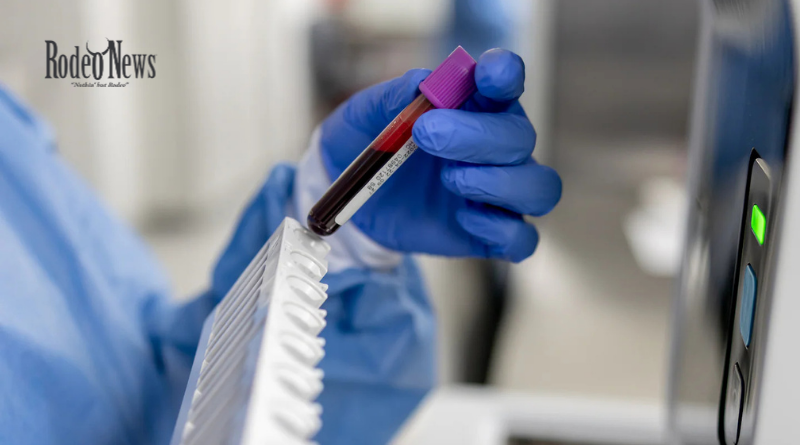
PSA stands for prostate-specific antigen, a protein produced by the prostate gland. A PSA test measures the amount of this protein in a blood sample.
The test is relatively straightforward. However, interpreting the result is much more complicated.
PSA levels can rise when prostate cancer is present. But an elevated PSA does not automatically mean cancer. Conditions such as an enlarged prostate, inflammation and infection can also increase PSA levels.
This is one reason doctors typically look at a man’s overall risk rather than treating one PSA number as a definitive diagnosis.
A higher PSA can increase concern, but it does not provide a final answer. Depending on the situation, doctors may recommend repeating the test, considering other measurements, using imaging such as an MRI or discussing whether a biopsy is appropriate.
That distinction is important for men who may assume that a high PSA result means they have prostate cancer.
It does not.
2. PSA Screening Can Produce False Positives
One of the biggest challenges with PSA screening is its potential for false-positive results.
A screening test is most useful when it can identify people who have a disease while avoiding unnecessary alarms in people who do not. PSA testing does not always accomplish both goals equally well.
The Washington Post report cites evidence showing that PSA testing has high sensitivity but relatively low specificity. In other words, a normal result can be reassuring, but an elevated result is not necessarily evidence of cancer.
That can create a chain of additional medical procedures.
A man with an elevated PSA may be advised to undergo further testing. In some cases, that can eventually lead to a prostate biopsy.
A biopsy can provide valuable information because it allows doctors to examine prostate tissue for cancer cells. But it is also an invasive procedure and can bring anxiety, discomfort and other risks.
This is why an abnormal PSA result should generally be treated as a reason for further evaluation rather than an immediate cancer diagnosis.
3. Age and Personal Risk Matter
There is no single PSA screening schedule that is appropriate for every man.
Age is an important factor because prostate cancer becomes more common as men get older. But personal risk also matters, including family history and ancestry.
The American Cancer Society recommends that men at average risk begin a discussion about prostate cancer screening with a health care provider at age 50, provided they are expected to live at least another 10 years.
For men at higher risk, that conversation should begin earlier.
The American Cancer Society recommends discussion starting at age 45 for men at high risk, including Black men and men who have a father or brother diagnosed with prostate cancer before age 65. For men at even higher risk, such as those with multiple first-degree relatives diagnosed at an early age, the discussion can begin at age 40.
The American Urological Association’s guidance also supports offering a baseline PSA test between ages 45 and 50, reflecting the value of establishing an early-life PSA measurement for some men.
These differences illustrate why men should not rely on a single age cutoff without considering their individual circumstances.
4. PSA Screening Can Detect Cancer — But Not Every Cancer Needs Immediate Treatment
Perhaps the most difficult issue surrounding PSA screening is that finding cancer does not always mean treatment is immediately necessary.
Some prostate cancers grow slowly. They may remain confined to the prostate and never cause symptoms or threaten a man’s life.
Autopsy research has found that a substantial proportion of older men had prostate cancer without knowing it during their lifetimes. The Washington Post column cites studies in which prostate cancer was discovered after men died from other causes, despite the men never having experienced symptoms from the disease.
This phenomenon is known as overdiagnosis.
Overdiagnosis occurs when a screening test finds a cancer that would not have caused significant harm during the person’s lifetime.
The problem becomes especially important when diagnosis leads to treatment that carries its own risks.
Prostate cancer treatment can sometimes cause urinary incontinence or erectile dysfunction. Those effects can have a major impact on quality of life, particularly if the cancer itself would never have become dangerous.
For some men with low-risk prostate cancer, doctors may therefore recommend active surveillance rather than immediate surgery or radiation.
Active surveillance does not mean ignoring the cancer. Instead, doctors closely monitor the disease using tests and examinations and consider treatment if there are signs that the cancer is becoming more aggressive.
5. The Benefits of PSA Screening Are Real — But So Are the Risks
The debate over PSA screening is not simply about whether screening works.
Evidence suggests screening can reduce deaths from prostate cancer in some men.
The Washington Post report cites long-term European research involving more than 160,000 men. After a median of 23 years of follow-up, prostate cancer mortality was 13 percent lower among men assigned to PSA screening compared with those who were not screened.
That represents an important potential benefit.
However, the same research also raised concerns about unnecessary testing, biopsies, overdiagnosis and overtreatment.
The balance between these outcomes is why major medical organizations emphasize informed decision-making rather than automatic testing for everyone.
What Does the USPSTF Say About PSA Screening?
The U.S. Preventive Services Task Force (USPSTF) currently takes an individualized approach to PSA screening.
For men ages 55 to 69, the USPSTF says the decision to undergo periodic PSA-based screening should be an individual one. Men should have an opportunity to discuss the potential benefits and harms with their clinician and consider their own values and preferences.
For men 70 and older, the USPSTF recommends against PSA-based screening.
That does not mean an older man with symptoms should ignore those symptoms. Screening recommendations generally apply to people without symptoms. A man experiencing concerning urinary, sexual or other symptoms should discuss them with a medical professional.
The difference between screening and diagnostic testing is important.
Screening looks for disease in people who do not have symptoms. Diagnostic testing is used when there is already a reason to suspect a problem.
Why a PSA Number Should Not Be Viewed in Isolation
Many men want to know what PSA number is considered “normal.”
That question is understandable, but there is no single number that can reliably determine whether a man has prostate cancer.
Historically, a PSA above 4.0 ng/mL has often been considered a level that could prompt further investigation. But PSA naturally changes with age, and prostate size and other conditions can affect the measurement.
The American Cancer Society also notes that PSA interpretation can involve additional factors, including the percentage of free PSA and PSA density in selected situations.
Therefore, doctors may consider:
- A man’s age
- Previous PSA results
- Family history
- Prostate size
- Symptoms
- Other medical conditions
- The rate and pattern of PSA changes
- Results from additional testing or imaging
This broader context can help reduce unnecessary biopsies while still identifying men who may need further evaluation.
What Happens After an Elevated PSA?
An elevated PSA does not necessarily mean that the next step is a biopsy.
Depending on the circumstances, a clinician may first review the patient’s history and possible causes of the elevation. The PSA test may also be repeated.
Further evaluation can include additional blood tests, imaging or other assessments. MRI has become an increasingly important tool in evaluating men who may need investigation for prostate cancer.
If cancer remains a concern, a biopsy may ultimately be recommended.
The key point is that PSA screening is only the beginning of a decision-making process.
Men Should Have a Screening Conversation — Not Just a Screening Test
The biggest takeaway from the current debate is that prostate cancer screening should be personalized.
For some men, the potential benefit of finding an aggressive prostate cancer early may outweigh the possibility of false positives, biopsies and overdiagnosis.
For others, particularly men with limited life expectancy or substantial health problems, the potential benefits may be smaller.
The American Cancer Society recommends that men discuss the uncertainties, benefits and risks of screening with a health care provider before deciding whether to proceed.
That conversation should also include personal risk.
A man with a strong family history may reasonably approach screening differently from a man at average risk. Similarly, Black men face a higher risk of developing and dying from prostate cancer, which is one reason major organizations recommend earlier screening discussions for this group.
The Bottom Line on PSA Screening
PSA screening can save lives, but it is not a perfect test.
It can identify prostate cancer before symptoms develop and may reduce the risk of dying from the disease. At the same time, PSA testing can produce false-positive results, trigger unnecessary biopsies and identify cancers that might never have caused harm.
That is why the decision should not be reduced to a simple question of whether men “should” or “should not” get tested.
Instead, men should understand their personal risk, discuss the potential benefits and harms with a qualified health professional and consider how they feel about the possibility of further testing or treatment.
The American Cancer Society, USPSTF and American Urological Association differ somewhat in the ages and circumstances they emphasize, but their guidance underscores the importance of individualized decision-making.
For men approaching the age when screening becomes relevant, the most useful first step may be a conversation — not simply a blood draw.
Important: This article is for general information and does not replace personalized medical advice. Men should speak with a qualified health professional about their individual prostate cancer risk and whether PSA screening is appropriate for them.