SCO Summit 2026: What Xi, Modi and Putin Want
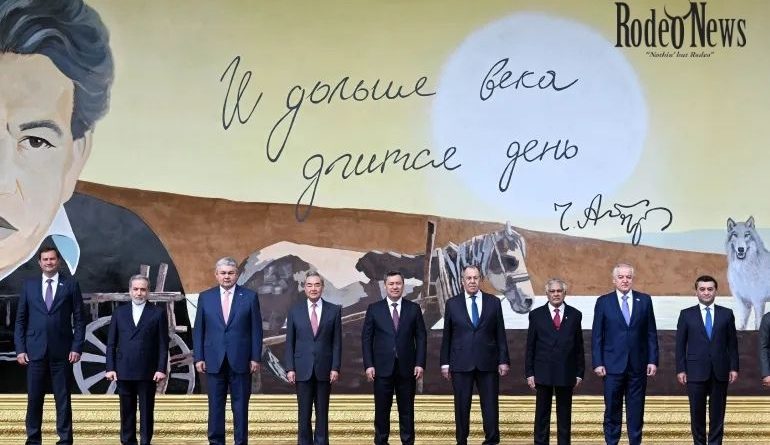
The SCO summit 2026 brings Chinese President Xi Jinping, Russian President Vladimir Putin and Indian Prime Minister Narendra Modi together in Bishkek, Kyrgyzstan, at a moment of major geopolitical uncertainty. The two-day meeting, taking place on August 31 and September 1, is expected to focus on security, trade, regional conflicts and the future of international cooperation.
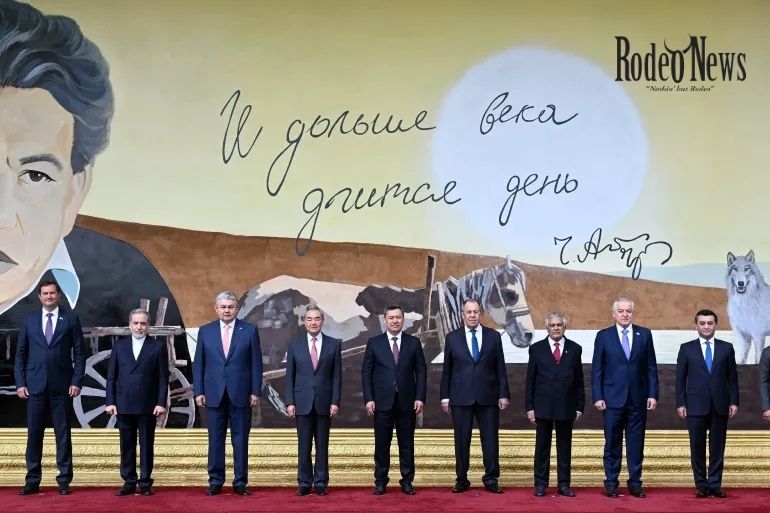
The meeting of the three leaders is attracting particular attention because China, Russia and India have increasingly sought to protect their strategic interests while navigating a world marked by rivalry with the United States, wars in Europe and the Middle East, and growing competition over trade and energy.
The Shanghai Cooperation Organisation, or SCO, provides the setting for those discussions. Although the organisation is not formally an anti-Western alliance, China and Russia have increasingly used the forum to promote a vision of a more multipolar international system.
For India, however, the summit also presents a more complicated diplomatic challenge. New Delhi maintains close strategic relations with Russia while competing with China in Asia and managing difficult relations with Pakistan.
SCO Summit 2026 Puts Security at the Center
Security is expected to be one of the most important issues at the SCO summit 2026.
The organisation has traditionally focused heavily on regional security, counterterrorism and stability across Eurasia. But the geopolitical environment surrounding this year’s gathering is considerably more complicated.
The war in Ukraine remains a major international issue, while conflict and instability in the Middle East have created additional pressure on governments across Asia.
According to reporting on the summit agenda, SCO leaders are expected to discuss major regional and international security challenges, including the situations in the Middle East and Ukraine, as well as developments in Afghanistan.
These issues are particularly important because the SCO includes countries with very different relationships with the major powers involved.
Russia remains deeply engaged in the Ukraine war. China has maintained close relations with Moscow while presenting itself as a supporter of diplomatic solutions. India, meanwhile, has repeatedly emphasized dialogue and strategic autonomy rather than aligning itself completely with either Washington or Moscow.
That creates room for diplomacy, but also exposes the limits of consensus inside the organisation.
Xi Jinping Seeks a Stronger Multipolar Message
Chinese President Xi Jinping is expected to use the summit to reinforce Beijing’s argument for a more multipolar global system.
China has increasingly promoted international institutions and partnerships outside traditional Western-led frameworks. The SCO offers one platform for that strategy because it brings together major Asian powers and a growing group of countries from Central Asia and beyond.
The organisation now has 10 member states, making it a significant forum for governments seeking greater cooperation across Eurasia. AP described the gathering as a meeting of leaders from China, Russia and other countries amid efforts to counterbalance US global influence.
For Beijing, however, the challenge is turning political messaging into practical cooperation.
The SCO contains countries with different economic systems, security priorities and foreign-policy objectives. China may have significant economic influence, but not every member shares Beijing’s strategic outlook.
That means Xi is likely to emphasize areas where cooperation is easier, including trade, infrastructure, connectivity, energy and regional stability.
Modi Faces a Delicate Balancing Act
For Narendra Modi, the SCO summit 2026 is also an opportunity to demonstrate India’s independent foreign policy.
India has maintained a longstanding relationship with Russia while simultaneously strengthening ties with the United States, Europe, Japan and other partners.
New Delhi also faces a complex relationship with China.
The two Asian powers have competing strategic interests, territorial disputes and different visions of regional influence. At the same time, both are major members of the SCO and have reasons to maintain diplomatic communication.
India’s relationship with Pakistan adds another layer of complexity.
Pakistan is also an SCO member, meaning the organisation provides a rare multilateral environment where India and Pakistan participate alongside China and Russia.
For New Delhi, therefore, the summit is not simply about aligning with Beijing or Moscow. It is about using the forum to advance Indian interests while avoiding commitments that could restrict its strategic autonomy.
Analysts cited in recent coverage have suggested that the gathering could allow China and India to strengthen their global influence and deepen engagement with countries across the Global South.
Putin Looks to China and India
Russian President Vladimir Putin arrives at the summit with his own set of priorities.
Moscow has faced increasing pressure from Western sanctions and the continuing war in Ukraine. As a result, Russia has expanded economic and diplomatic ties with non-Western countries, particularly China and India.
China has become increasingly important to Russia’s economy and international strategy.
Recent reporting has highlighted the growing asymmetry between Moscow and Beijing, with Russia becoming more dependent on China for trade and strategic support.
That makes Putin’s meetings with Xi especially significant.
At the same time, Russia has maintained a longstanding relationship with India. Moscow has historically been one of India’s most important defense suppliers, while energy and trade have also become important components of the relationship.
The SCO gives Putin a platform to demonstrate that Russia remains diplomatically engaged with major Asian powers despite its confrontation with the West.
Trade and Economic Cooperation Move Higher
Economic cooperation is another major theme at the SCO summit 2026.
The member states represent a large share of Eurasia’s population and economic activity. Yet trade between many members remains below its potential because of sanctions, infrastructure limitations, payment restrictions and political tensions.
China has promoted stronger regional connectivity and economic integration, while Russia has sought alternative markets and financial channels as Western restrictions continue.
India also has an interest in expanding trade with Central Asia and strengthening access to energy and transportation routes.
One of the key questions is whether the SCO can move beyond broad political declarations and create more practical mechanisms for trade.
That could include greater use of national currencies, improved transport connections, digital commerce and energy cooperation.
However, significant obstacles remain.
India and China have unresolved strategic tensions. Russia and China have an increasingly unequal economic relationship. Meanwhile, sanctions and geopolitical divisions complicate financial transactions involving Russia.
As a result, economic agreements may be easier to announce than to implement.
The Middle East Adds Another Complication
The Middle East is expected to receive significant attention during the summit.
The SCO has become increasingly involved in discussions about major regional crises, including developments involving Iran and the wider Middle East. In 2026, those issues have become particularly important because of the region’s impact on energy markets, trade routes and international security.
Iran’s role is especially relevant.
Tehran is an SCO member, and its relations with China and Russia have grown significantly in recent years.
For India, Middle Eastern instability also has direct economic consequences.
The region is critical to India’s energy supplies and commercial connections. Any prolonged disruption to major shipping routes could increase energy costs and create broader economic pressure.
This gives New Delhi a strong interest in diplomatic efforts aimed at reducing regional tensions.
Afghanistan Remains on the SCO Agenda
Afghanistan is another longstanding security concern for the organisation.
The SCO’s members include countries located around Afghanistan, making developments there directly relevant to border security, terrorism, migration and drug trafficking.
China, Russia, India and Central Asian states all have different interests in Afghanistan, but they share concerns about instability spreading across the region.
The organisation has historically emphasized security cooperation in response to these risks.
The challenge is that the SCO has limited ability to impose a unified political solution. Its influence depends largely on coordination between members whose national interests do not always overlap.
Nevertheless, Afghanistan remains one of the areas where regional cooperation could have practical value.
Can China, Russia and India Find Common Ground?
The most important question surrounding the SCO summit 2026 may not be whether Xi, Putin and Modi appear together, but how much they can actually agree on.
The three countries have important areas of cooperation.
They support greater influence for emerging and developing countries in global institutions. They favor stronger economic ties outside traditional Western channels. They also have an interest in maintaining diplomatic relationships despite disagreements with one another.
But their differences are equally significant.
India and China remain strategic competitors. Russia’s dependence on China is growing. India has deepened its relationship with Western countries, particularly in areas such as technology, defense and economic cooperation.
These differences mean that the SCO is unlikely to become a tightly unified political bloc.
Instead, it is better understood as a platform where governments with overlapping but distinct interests can negotiate.
That flexibility may actually be one of the organisation’s strengths.
A Test for the SCO’s Global Ambitions
The SCO summit 2026 is taking place as the organisation attempts to define its role in a changing international system.
The bloc is not formally an alliance against the United States or Europe. However, China and Russia have used the organisation to promote ideas about multipolarity and alternatives to Western-dominated institutions.
That creates a difficult balancing act.
If the SCO becomes too closely associated with opposition to the West, countries such as India may become uncomfortable with its direction.
If the organisation remains focused on practical cooperation, however, it could expand its influence without requiring members to share the same foreign-policy ideology.
The second approach may ultimately prove more sustainable.
For Central Asian members, the SCO can provide access to investment, infrastructure and diplomatic relationships with major powers.
For China, it offers another avenue for regional influence.
For Russia, it provides an important platform at a time when relations with the West remain strained.
For India, it offers a mechanism for engaging with China, Russia and Central Asia without abandoning strategic autonomy.
What to Watch After the Summit
The biggest developments may come from bilateral meetings held alongside the main SCO sessions.
The meetings between Xi and Putin will be closely watched because of the growing strategic relationship between China and Russia.
Modi’s interactions with Xi will also attract attention because of the importance of India-China relations to the wider Asian balance of power.
Discussions involving Russia and India could focus on energy, defense and trade.
Meanwhile, meetings involving Iran and other regional governments could provide clues about how the organisation intends to respond to continuing instability in the Middle East.
The summit’s final declarations will therefore matter, but the private diplomacy surrounding the event may be just as important.
What the SCO Summit 2026 Could Mean for the World
The SCO summit 2026 is unlikely to produce a single dramatic agreement that transforms global politics overnight.
Its significance lies elsewhere.
The gathering demonstrates that China, Russia, India and other major Eurasian powers increasingly have forums outside Western-led institutions where they can coordinate policies, discuss security challenges and promote economic cooperation.
That does not mean these countries form a unified bloc.
Their disagreements remain substantial, particularly between India and China and between competing regional interests.
But the willingness of these governments to continue meeting is itself important.
As global politics becomes more fragmented, organisations such as the SCO could play a larger role in connecting countries that do not necessarily share the same ideology or strategic goals.
For Xi, Putin and Modi, the Bishkek meeting is therefore both a diplomatic opportunity and a test.
The question is whether the SCO can translate its growing geopolitical weight into practical cooperation while managing the competing interests of its members.
The outcome could help determine whether the organisation becomes a more influential pillar of the emerging multipolar order — or remains primarily a forum for diplomatic signaling.
External source: Al Jazeera, AP, Reuters and the official Shanghai Cooperation Organisation.