Stars and Stripes Firings Delayed After Court Showdown
The Stars and Stripes firings have been temporarily delayed after the Pentagon agreed to give three journalists facing dismissal an additional week to pursue their legal challenge in federal court.
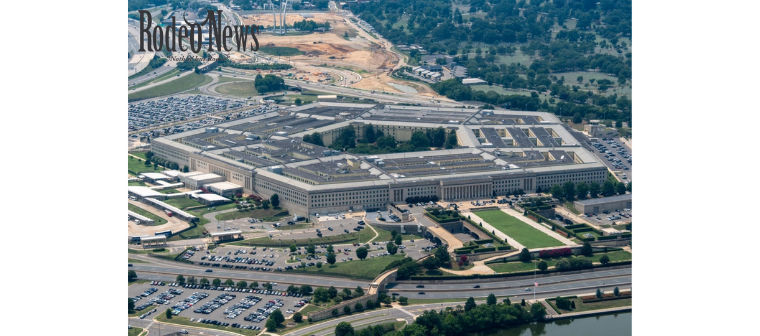
The development came Friday during an emergency hearing in Washington, where attorneys for Stars and Stripes editor-in-chief Erik Slavin, reporter Lara Korte and publisher Max Lederer asked a federal judge to stop the Defense Department from carrying out the terminations.
The Pentagon ultimately agreed not to proceed with the dismissals before Sept. 4. U.S. District Judge Trevor McFadden scheduled another hearing for that date to consider whether the journalists should receive a longer injunction while their lawsuit continues.
The temporary reprieve does not resolve the underlying dispute.
Instead, it gives the court more time to examine whether the Pentagon violated the journalists’ First Amendment rights by moving to terminate them after they publicly defended the editorial independence of Stars and Stripes.
The case has quickly become a major test of the relationship between the Pentagon and a military publication that has historically maintained editorial independence despite receiving government funding.
Why the Stars and Stripes Firings Matter
Stars and Stripes is a unique institution in American journalism.
The publication serves U.S. military personnel and their families, including troops stationed overseas. Although it is owned by the Defense Department and its employees are federal workers, the newspaper operates as a news organization with a longstanding tradition of editorial independence.
That independence is now at the center of the legal battle.
Slavin and Korte were notified that they faced termination for alleged insubordination. Their separation notices cited comments they made during a CBS interview in which they discussed the importance of maintaining editorial independence at Stars and Stripes.
Lederer faced a different situation. According to the lawsuit, he was ordered to fire Slavin and Korte but refused. He had already announced plans to retire and ultimately chose to leave rather than carry out the Pentagon’s directive.
The journalists argue that the stated reasons for the dismissals mask retaliation for protected speech and critical journalism.
The Pentagon has disputed that characterization.
Judge Gives Both Sides More Time
Friday’s hearing focused heavily on whether the government could legally terminate the journalists while their First Amendment claims were being litigated.
Government attorney Brett Covington argued that Slavin and Korte were speaking about their work and therefore were not simply private citizens discussing an unrelated issue.
He also pointed to the attention generated by Korte’s social media post about the planned firings.
The judge, however, indicated that the issues were complicated and that he had only recently received the case.
Rather than immediately ruling on the journalists’ request for a temporary restraining order, McFadden pressed the government for additional time.
After a recess, the government agreed to keep the journalists from being fired until Sept. 4.
That agreement effectively created a one-week window for both sides to prepare for a more detailed hearing.
For the journalists, the decision represents an important short-term victory.
It does not mean the court has concluded that the Pentagon acted unlawfully.
The Journalists’ First Amendment Argument
The lawsuit filed by Slavin, Korte and Lederer argues that the Pentagon’s actions were retaliatory.
The plaintiffs say they were targeted because they defended the principle that Stars and Stripes must remain editorially independent.
They also argue that the Pentagon’s actions were connected to critical reporting published by the newspaper about conditions aboard the USS Abraham Lincoln, an aircraft carrier involved in extended military operations.
The lawsuit says the newspaper’s coverage addressed deteriorating conditions, including concerns involving sailors’ mental health and other problems during the carrier’s lengthy deployment.
The journalists contend that the Pentagon’s response to the coverage shows that the dispute is about more than workplace discipline.
Their attorneys argue that government officials are attempting to punish journalists for reporting critically on the military and for speaking publicly about press freedom.
That argument could become central to the court’s eventual decision.
Pentagon Says the Issue Is Insubordination
The government’s position is significantly different.
Officials have characterized the disciplinary action as an employment matter involving insubordination rather than an attempt to censor journalists.
During Friday’s hearing, the Justice Department argued that the journalists were discussing their employer when they appeared on CBS.
The government therefore questioned whether their comments should receive the same First Amendment protection as speech by citizens outside their official duties.
That distinction could prove important.
Federal employees have constitutional rights, but courts have historically treated speech connected to official government employment differently from speech made as private citizens.
The court must therefore determine exactly what the journalists said, in what capacity they said it and whether the government’s disciplinary decisions were genuinely based on workplace conduct or instead motivated by protected speech.
What Happened to Max Lederer?
The case involving Max Lederer is especially significant.
Lederer had spent roughly three decades at Stars and Stripes and had announced his retirement shortly before the dispute escalated.
According to the lawsuit, Pentagon officials instructed him to fire Slavin and Korte.
He declined.
Instead, Lederer chose to retire.
The lawsuit says the decision was motivated by his belief that carrying out the order would improperly punish journalists for exercising their rights and defending the newspaper’s mission.
Lederer was subsequently included in the disciplinary action. The lawsuit says he was cited for refusing to dismiss Slavin and Korte as well as for comments made during his resignation process.
His role gives the case another dimension.
The dispute is not simply about whether two journalists can be disciplined for public comments. It also involves whether a publisher can refuse a government directive to remove members of his newsroom when he believes doing so would compromise editorial independence.
Pentagon Has Been Reshaping Stars and Stripes
The latest conflict follows months of tension between the Pentagon and Stars and Stripes.
The Defense Department introduced changes affecting the publication earlier this year.
According to the lawsuit and reporting by Stars and Stripes, the Pentagon restricted certain news services and syndicated material and emphasized a greater focus on military-related subjects.
The department also removed the publication’s ombudsman, a position intended to help protect editorial independence.
Those changes generated concern among journalists and press-freedom advocates.
The dispute intensified after Slavin and Korte spoke publicly about editorial independence.
The Pentagon subsequently accused senior Stars and Stripes leaders of insubordination.
The journalists argue that the sequence of events is evidence that the department is attempting to exert greater control over the publication.
The USS Abraham Lincoln Story Became a Flashpoint
Another important element of the dispute involves a Stars and Stripes report about the USS Abraham Lincoln.
The newspaper published an article describing problems aboard the carrier after an unusually long period at sea.
The ship had reportedly gone more than 250 consecutive days without a port call during ongoing military operations involving Iran. The article raised concerns about conditions affecting sailors, including mental health and other quality-of-life issues.
According to the journalists’ lawsuit, the Pentagon’s pressure on Lederer to remove Slavin and Korte came shortly after the publication of that report.
That timing has become central to the plaintiffs’ argument.
They contend that the government was displeased with critical coverage and subsequently sought to punish newsroom leaders who resisted increased Pentagon control.
The government, however, has focused on the journalists’ conduct and alleged insubordination.
The court will ultimately have to examine the evidence behind both explanations.
Press Freedom Groups Raise Alarm
The dispute has attracted attention from organizations focused on journalism and press freedom.
The Committee to Protect Journalists said the firings represented a threat to government transparency and press freedom, while attorneys representing the journalists have described the case as an effort to protect independent reporting for military personnel.
The argument is particularly significant because Stars and Stripes occupies an unusual position.
It is funded in part by taxpayers and operates within the Defense Department structure, yet its purpose is to provide independent journalism to the people serving in the U.S. military.
That creates an unusual constitutional and institutional question.
If a government agency funds and owns a news organization, how much control can it exercise over the journalists who work there?
And where does legitimate management authority end and unconstitutional interference with journalism begin?
Those questions extend far beyond the three employees involved in the current lawsuit.
Stars and Stripes Has a Long Military History
Stars and Stripes has a history stretching back more than a century and has served generations of American troops.
The publication has long provided news to service members who may not have easy access to civilian media, particularly when stationed overseas.
That role makes editorial independence especially important.
Military personnel rely on Stars and Stripes for information about deployments, military policy, conditions affecting troops and issues involving their families.
Critics of the Pentagon’s recent actions argue that military readers should not receive journalism shaped by the political preferences of government officials.
The Pentagon, meanwhile, has a legitimate interest in protecting operational security and maintaining appropriate discipline within a government institution.
The challenge is determining how those interests can coexist.
The Court Battle Could Set a Larger Precedent
The September hearing could become more consequential than the immediate employment dispute.
If the judge blocks the dismissals, the case could proceed while the journalists remain employed or otherwise protected from termination.
If the court declines to intervene, the Pentagon could move forward with the dismissals while the broader lawsuit continues.
Either outcome could influence how government-funded military journalism operates in the future.
The case may also clarify how First Amendment protections apply when federal employees publicly discuss editorial independence and criticize policies affecting their workplace.
That makes the lawsuit important not only to Stars and Stripes but potentially to other government-supported news organizations.
The Voice of America Connection
The legal team representing the Stars and Stripes journalists has also represented employees of Voice of America in separate litigation involving the Trump administration.
That connection has drawn comparisons between the two disputes.
Both involve journalists working within government-owned or government-supported media organizations who argue that officials are attempting to interfere with editorial independence.
The attorneys say the fundamental issue is whether government-supported journalism can remain independent when political officials exercise significant control over the organizations employing journalists.
The government, however, maintains that employment and management rules must still apply.
The courts will therefore be asked to balance government authority against constitutional protections.
What Happens on September 4?
The next major date is Sept. 4.
Judge McFadden is expected to hear arguments on whether the journalists should receive an injunction preventing the Pentagon from completing their dismissals while the case proceeds.
The outcome could determine whether the temporary reprieve becomes a longer-term protection.
Until then, the three journalists remain in a precarious position.
The Pentagon has agreed not to move forward with their termination before the hearing, but there is no final ruling on the legality of the proposed firings.
Both sides will now have additional time to present their arguments.
Why the Stars and Stripes Firings Could Matter Nationwide
The Stars and Stripes firings have become more than an internal Pentagon personnel dispute.
At stake is a broader question about the independence of journalism operating inside a government institution.
Supporters of the journalists say military personnel deserve access to reporting that can scrutinize government decisions without fear of retaliation.
The Pentagon argues that it must retain authority over its workforce and that the disciplinary action was based on insubordination rather than censorship.
The court will have to determine which interpretation is supported by the evidence.
For now, the one-week reprieve means the dispute remains unresolved.
But the case has already placed Stars and Stripes at the center of a national debate over press freedom, government authority and the role of independent journalism inside the U.S. military.
The Bottom Line
The Pentagon’s decision to delay the Stars and Stripes firings until Sept. 4 gives the three journalists a crucial opportunity to challenge their dismissals in court.
Erik Slavin, Lara Korte and Max Lederer argue that their terminations are retaliation for defending editorial independence and, in the case of the newsroom’s reporting, for publishing critical coverage of military conditions. The Pentagon maintains that the disciplinary actions involve insubordination and employment conduct.
The next court hearing could determine whether the journalists receive continued protection while their First Amendment lawsuit moves forward.
Whatever the judge decides, the case is likely to remain closely watched.
For Stars and Stripes, the fight is about the future of a historic military news organization.
For the journalists, it is about whether they can report independently without fear of government retaliation.
And for the broader media landscape, the case could help define the limits of government control over journalists working inside publicly funded institutions.