Mark Ruffalo Antisemitism Controversy Escalates in Hollywood
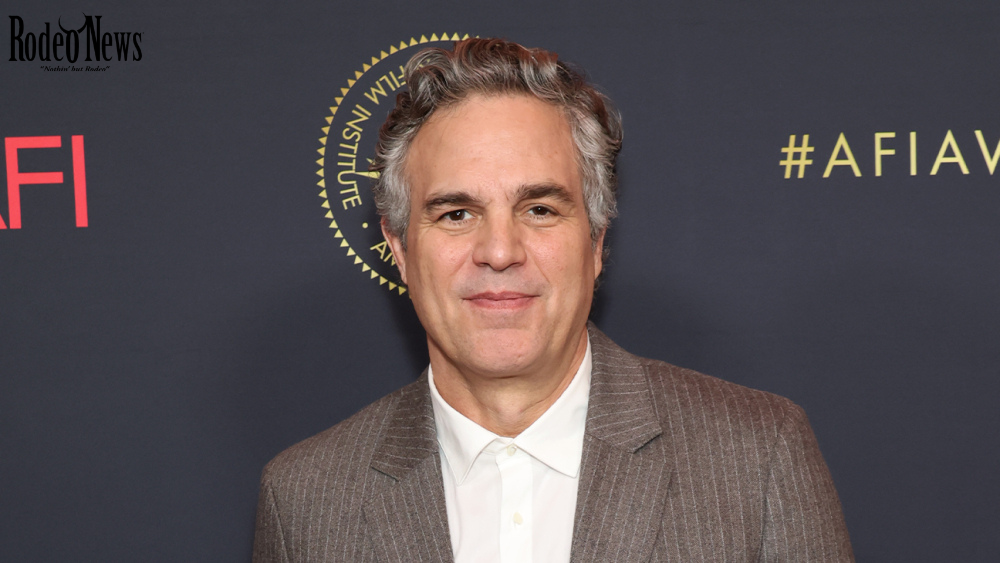
The Mark Ruffalo antisemitism controversy has intensified after a group of prominent Hollywood figures publicly condemned the actor’s recent criticism of Paramount leadership and its proposed Warner Bros. Discovery transaction. The group includes entertainment executives and producers Haim Saban, Lawrence Bender and Teddy Schwarzman, who joined an industry statement accusing Ruffalo of using what they described as antisemitic tropes.
The dispute has quickly grown beyond a disagreement over a major Hollywood merger. It now sits at the intersection of corporate power, the future of the entertainment industry, the Israel-Gaza conflict and a heated debate over the boundaries between political criticism and antisemitism.
The Hollywood Reporter reported that the group, known as The Brigade, represents nearly 1,000 members, friends and allies of the Jewish community working across film, television, music, Broadway and other areas of entertainment.
Haim Saban and Hollywood Figures Condemn Ruffalo
Haim Saban, Lawrence Bender and Teddy Schwarzman are among the prominent names backing the statement. Other entertainment figures associated with the effort include Ram Bergman, Anthony Bregman, Lynn Harris, Matti Leshem, Jamie Patricof, Craig Emanuel, Shep Rosenman and Micah Green.
The statement argues that Ruffalo crossed a line by focusing on Jewish executives while discussing the Paramount-Warner Bros. deal and Israel.
According to the statement, singling out Jewish executives and connecting their identities to Israel through alleged centuries-old conspiracy narratives constitutes antisemitism. The group also argued that political disagreement over Israel should not be used to characterize Jewish business leaders collectively.
The statement specifically rejected the idea that its criticism was simply an argument over a corporate transaction.
“This is not commentary on a merger,” the group said, according to reports. “It is not a criticism of a government.”
The signatories instead described the rhetoric they objected to as portraying Jewish executives as a secretive and powerful group controlling wealth while allegedly celebrating mass death.
Why the Mark Ruffalo Antisemitism Debate Matters
The Mark Ruffalo antisemitism debate is complicated because the underlying dispute involves several separate issues.
Ruffalo has been an outspoken critic of the proposed Paramount-Warner Bros. transaction. He has also publicly criticized Israel’s military campaign in Gaza and has advocated for Palestinian rights.
Those political positions are separate from the question of whether particular statements about Jewish executives constitute antisemitism.
That distinction is central to the current Hollywood dispute.
Ruffalo has argued that his criticism should not be interpreted as hostility toward Jewish people. In a response after Paramount accused him of antisemitic rhetoric, he said his political views should not be understood as animosity toward Jews and pointed to Jewish friends, colleagues and loved ones who have influenced his life and career.
What Mark Ruffalo Said About Paramount
The controversy stems from Ruffalo’s increasingly aggressive opposition to the Paramount-Warner Bros. merger.
Paramount is controlled by the Ellison family, with Oracle founder Larry Ellison playing a central role in the company’s ownership structure. His son, David Ellison, is Paramount’s chief executive.
Ruffalo has criticized the proposed transaction on several fronts. He has raised concerns about corporate consolidation, Hollywood jobs and the potential impact of the merger on creative and editorial independence.
More recently, however, his criticism incorporated allegations involving Oracle and Israel’s military campaign in Gaza.
Ruffalo highlighted a video involving Safra Catz, the former Oracle chief executive, and connected the technology company’s relationship with Israel to his criticism of Paramount’s leadership. That post became a major flashpoint in the dispute.
Paramount responded by accusing Ruffalo of invoking antisemitic tropes in what the company described as a business dispute.
The studio said that references to “genocide” and “apartheid” in connection with a corporate transaction went too far and risked diminishing the meaning of those terms.
[Internal Link: Latest Hollywood Business News]
Ruffalo Rejects the Antisemitism Accusation
Ruffalo did not back away from his criticism.
Instead, he challenged Paramount’s characterization of his comments and argued that discussions about Israel, Oracle and the Ellison family’s business interests should not automatically be labeled antisemitic.
The actor subsequently described the accusations against him as fundamentally dishonest, according to reporting on his response. He also redirected attention toward what he considers the larger consequences of the Paramount-Warner Bros. transaction.
His position has been that criticism of a company, a merger or a person’s political and business relationships should remain open to scrutiny regardless of the person’s religion or background.
That argument has received support from some members of Hollywood.
Hannah Einbinder, the Emmy-winning actress from Hacks, defended Ruffalo and said artists could benefit from taking a similar stand. Her comments demonstrated that the entertainment industry remains divided over the controversy rather than united behind either side.
The Paramount-Warner Bros. Deal Is at the Center
At the heart of the dispute is a proposed transaction that could dramatically reshape Hollywood.
The Paramount-Warner Bros. deal has already attracted intense attention from filmmakers, writers, theater owners, politicians and entertainment executives.
Critics worry that greater consolidation could reduce competition and affect employment opportunities throughout the entertainment business. Some industry figures have also expressed concern about what a larger combined company could mean for creative decision-making.
One recent Hollywood Reporter report quoted writer Mike Schur arguing that declining competition represents an existential issue for writers.
Meanwhile, theater owners have also weighed in on the transaction. Cinema United recently changed its position and called for Paramount and California Attorney General Rob Bonta to pursue settlement discussions.
The legal and regulatory questions surrounding the deal have therefore become almost as important as the financial details.
The Ruffalo controversy adds another layer to an already complicated transaction.
Haim Saban Says the Rhetoric Goes Beyond Merger Criticism
For Saban and the other signatories, the central issue is not whether Ruffalo should oppose Paramount’s strategy.
Their argument is that criticism becomes unacceptable when Jewish identity is used as part of a broader allegation about wealth, political influence or control.
The Brigade’s statement invoked historical antisemitic conspiracy theories and warned that similar rhetoric can contribute to real-world hostility toward Jewish communities.
The group said its concerns extend beyond Hollywood and argued that the rhetoric can have consequences in communities, synagogues and schools.
The statement also questioned whether organized funding or coordination might be behind what its members characterize as an ongoing campaign against Jewish people and Israel.
Those are serious allegations, and they remain part of the group’s characterization of the controversy rather than established findings about Ruffalo or his critics.
A Broader Hollywood Debate Over Free Speech
The dispute highlights a difficult question facing Hollywood and other industries: Where should the line be drawn between political activism and discriminatory rhetoric?
Actors and filmmakers routinely use their platforms to comment on politics. Ruffalo has been particularly outspoken on social and humanitarian issues for years.
At the same time, Jewish organizations and industry figures have increasingly challenged language they believe turns criticism of Israel into attacks on Jews.
The distinction between antisemitism, anti-Zionism and criticism of the Israeli government remains heavily contested in public debate.
That makes the current conflict especially sensitive.
The strongest arguments on either side depend on examining the specific language used rather than simply assigning a label to an individual’s broader political position.
[External Link: The Hollywood Reporter — Original Report]
Hollywood’s Internal Divide Is Growing
The response to the controversy suggests that the entertainment industry is entering another period of intense internal debate.
Ruffalo has supporters who view his criticism as legitimate political activism and opposition to corporate consolidation.
His critics, meanwhile, believe his statements crossed into rhetoric that unfairly targeted Jewish executives and invoked harmful stereotypes.
That division is visible in the statements emerging from Hollywood.
The Brigade’s letter represents one side of the argument, while Ruffalo’s own responses and support from figures such as Einbinder represent another.
The disagreement is unlikely to disappear quickly because it combines three highly contentious subjects: the future ownership of major Hollywood studios, the Israel-Gaza conflict and the definition of antisemitic rhetoric.
What Happens Next for Mark Ruffalo?
For Ruffalo, the immediate issue is whether the controversy will affect his relationship with Paramount and other Hollywood companies.
The actor remains one of the industry’s most recognizable stars, and his political activism has long been part of his public identity.
For Paramount, the challenge is equally complicated.
The company is attempting to complete a major transaction while facing scrutiny from regulators, filmmakers, writers, theater owners and other industry stakeholders. A public confrontation with one of Hollywood’s most prominent actors adds another source of attention at a sensitive moment.
The controversy also comes as the broader Paramount-Warner Bros. battle continues to develop.
California Attorney General Rob Bonta has been involved in the regulatory dispute surrounding the transaction, while Paramount has sought to advance its plans. Recent reporting indicates that negotiations and mediation efforts have remained an important part of the larger fight.
The Bigger Question for Hollywood
The Mark Ruffalo antisemitism controversy is ultimately about more than one actor or one statement.
It reflects the increasingly difficult environment surrounding Hollywood’s biggest corporate decisions. Entertainment executives are dealing with mergers, streaming pressures, political activism and intense scrutiny from audiences and employees.
At the same time, celebrities have enormous platforms and can influence public conversations far beyond the film industry.
That combination creates enormous power but also significant responsibility.
Ruffalo’s critics believe his comments demonstrate why public figures must be careful when discussing Jewish executives, Israel and corporate power in the same argument.
Ruffalo and his supporters argue that political criticism should not be silenced by accusations of antisemitism when the underlying subject involves real questions about corporate relationships and government policy.
Both sides are now firmly entrenched.
For Hollywood, the controversy serves as another reminder that the Paramount-Warner Bros. battle is no longer simply a corporate transaction. It has become a much broader cultural and political fight, with some of the industry’s most influential figures now taking public positions.
As the merger debate continues, the conflict surrounding Ruffalo is likely to remain part of the larger conversation about who controls Hollywood, how much consolidation the industry can withstand and where the line between legitimate political criticism and antisemitic rhetoric should be drawn.
Image ALT Text: Mark Ruffalo antisemitism controversy involving Paramount and Hollywood industry leaders
Suggested Image Caption: Mark Ruffalo has faced criticism from prominent Hollywood figures over his comments about Paramount leadership and the Warner Bros. merger.
Source: The Hollywood Reporter, with additional reporting cross-checked against TheWrap and other published coverage.