
7 Key Facts About New Iran Sanctions
Iran sanctions entered a new and potentially decisive phase on August 24, 2026, as U.S. Treasury Secretary Scott Bessent announced a sweeping expansion of Washington’s economic campaign against Tehran. The administration says the strategy is designed to cut Iran’s remaining financial lifelines and increase pressure on countries and companies that continue doing business with the Iranian government.
The announcement represents a major escalation in an already extensive sanctions program. Washington has spent decades restricting Iran’s access to the international financial system, energy markets and other sources of revenue. The latest measures go further by emphasizing secondary sanctions, which can put foreign companies and governments at risk if they continue supporting transactions with Iran.
Bessent has described the campaign in unusually forceful terms, calling it an “economic D-Day.” The Treasury secretary says the goal is to create enough financial pressure to force Tehran toward a new political outcome while reducing the need for additional military escalation.
The new policy also places an important spotlight on Iran’s major trading partners, particularly China. Because Chinese businesses have remained major buyers of Iranian oil, the effectiveness of the campaign could depend heavily on how aggressively Washington enforces the new measures.
Here are seven key facts about the new Iran sanctions and what they could mean for Tehran, global energy markets and international businesses.
1. Iran Sanctions Are Expanding Beyond Iran’s Borders
The most important change is the increased emphasis on secondary sanctions.
Traditional sanctions generally target specific individuals, companies, banks, vessels or other organizations connected to Iran. Secondary sanctions create a broader threat: foreign entities that continue certain dealings with Iran can themselves face restrictions from the U.S. financial system.
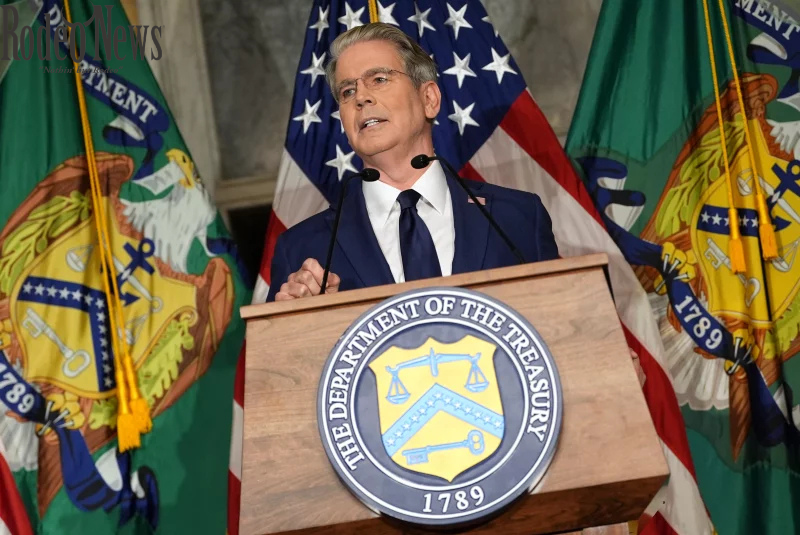
Reuters reported that the Treasury Department planned to broaden the scope of secondary sanctions against entities and countries conducting business with Iran. The policy is intended to make sanctions evasion more difficult by reaching activity taking place through third countries and alternative corporate structures.
That is a powerful tool because access to the U.S. financial system remains enormously valuable to international businesses.
A company may have little direct exposure to the United States but still rely on dollar transactions, international banks or financial institutions with U.S. connections. The possibility of losing that access can make sanctions compliance a major business priority.
For Iran, the result could be an increasingly difficult environment for moving money, selling commodities and maintaining international commercial relationships.
2. Iran Sanctions Target Oil Revenue
Iran’s energy sector remains at the center of the campaign.
Oil is one of Tehran’s most important sources of foreign currency, making the ability to export crude a critical part of the country’s economic resilience. Washington has therefore repeatedly targeted companies, vessels, intermediaries and financial networks involved in Iranian petroleum sales.
The latest campaign is intended to make those transactions substantially harder.
Reuters reported that the United States is targeting Iran’s oil, military and financial sectors while expanding scrutiny of networks that use front companies and alternative entities to avoid existing restrictions.
The pressure comes at a particularly sensitive time for global energy markets. Iran’s conflict with the United States has disrupted energy flows through the Strait of Hormuz, one of the world’s most strategically important oil transit routes.
Markets have responded to the uncertainty. Reuters reported that global equities slipped as investors awaited details of the new measures, while oil prices remained a major focus for traders.
That means the consequences of the Iran sanctions could extend well beyond Tehran.
3. China Is the Biggest Test for Iran Sanctions
China may become the most important test of Washington’s new strategy.
China has been Iran’s biggest oil customer for years, giving Chinese companies a significant role in maintaining Tehran’s energy revenues. Reuters reported that Chinese oil purchases are now under intense scrutiny as Washington prepares to expand its financial pressure.
The issue creates a difficult diplomatic calculation.
If the United States applies secondary sanctions aggressively against Chinese companies or financial institutions, the economic impact on Iran could be significant. However, the move could also create another major source of tension between Washington and Beijing.
Reuters reported that the administration has already penalized Chinese refineries and was weighing additional measures involving Chinese banks.
For businesses, that uncertainty is important.
Companies operating in international energy markets may begin reassessing transactions that involve Iran, Chinese intermediaries or financial institutions exposed to both countries. The result could be a broader compliance effect that reaches businesses far beyond the original targets.
China’s response will therefore be closely watched as the United States begins implementing the expanded sanctions framework.
4. Iran’s Economy Is Already Under Severe Pressure
The new Iran sanctions are not being introduced into a stable economic environment.
Iran has already faced extensive international restrictions, falling currency values and significant inflationary pressure. The Associated Press reported that the Iranian rial reached a record low of about 2.02 million to the U.S. dollar, while prices for essential goods had surged.
The country’s economic challenges make the latest measures particularly significant.
A weaker currency can make imported goods more expensive. Inflation can reduce household purchasing power. Restrictions on banking and international trade can make it more difficult for businesses to obtain financing or settle payments.
The administration in Washington is betting that additional economic pressure will eventually force Iranian leaders to reconsider their position.
Iran, however, has repeatedly demonstrated an ability to adapt to sanctions. Networks of intermediaries, alternative payment arrangements and informal trading channels have helped Tehran maintain some access to international markets.
The central question is therefore not simply whether sanctions hurt Iran.
They clearly can.
The larger question is whether the new measures will create enough additional pressure to change Iranian policy.
5. The Campaign Could Reshape Global Business Decisions
The new sanctions could have an important effect on companies that have never considered themselves part of the Iran issue.
That is because secondary sanctions can turn a foreign company’s commercial relationship with Tehran into a broader strategic decision.
A shipping company, bank, refinery, trading house or logistics provider may have to determine whether continuing a particular transaction is worth the potential consequences of U.S. enforcement.
This could encourage more companies to adopt an extremely cautious approach.
For global businesses, sanctions compliance can involve screening customers, suppliers, vessels, financial institutions and ownership structures. The more complex the Iranian trading network becomes, the greater the compliance burden can become.
Washington is clearly trying to use that commercial caution as part of its strategy.
The Treasury Department’s broader sanctions campaign has repeatedly focused on networks rather than isolated individuals. Recent Treasury actions have targeted financial facilitators and oil-related networks accused of helping Iran generate revenue despite existing restrictions.
The strategy could become more effective if international businesses decide that even indirect exposure to Iran is too risky.
6. Energy Markets Face a Fresh Challenge
The economic consequences of the new Iran sanctions will not be limited to Iran.
Energy markets are particularly sensitive to developments in the Middle East because disruptions in production or transportation can quickly influence prices.
The Strait of Hormuz is especially important. Any prolonged disruption there can affect global supplies and increase uncertainty for oil-importing countries.
MarketWatch reported that Brent crude remained above $90 a barrel on August 24 as markets assessed the latest U.S. pressure on Iran. The report also noted concerns that stronger sanctions could increase oil prices and create broader financial consequences.
That creates a delicate balance for policymakers.
Washington wants sanctions to put pressure on Tehran without creating an unnecessarily damaging shock for global consumers and businesses.
For governments, higher energy prices can feed inflation. For companies, elevated fuel costs can raise transportation and production expenses. For consumers, the impact can eventually appear in everything from gasoline prices to household goods.
The effectiveness of the sanctions campaign may therefore be judged not only by what happens inside Iran but also by how stable global energy markets remain.
7. Iran Sanctions Could Influence the Path Toward Negotiations
Despite the aggressive language surrounding the campaign, the ultimate objective remains political.
The Trump administration has presented economic pressure as a tool for forcing Iran toward a new negotiating position. Bessent has argued that stronger financial pressure could reduce the need for additional military action.
That creates an important possibility.
If sanctions weaken Iran’s ability to finance government operations, maintain trade and generate foreign currency, Tehran could eventually have stronger incentives to negotiate.
At the same time, Iran has warned that intensified economic pressure could produce retaliation rather than compromise. Iranian officials have threatened consequences for countries that cooperate with the new U.S. measures.
That makes diplomacy more important, not less.
A successful economic strategy ultimately requires a pathway toward an outcome that both sides can accept. Without that pathway, sanctions can become a prolonged cycle of pressure, retaliation and further escalation.
What the New Iran Sanctions Mean for the World
The latest Iran sanctions represent more than another addition to a long list of U.S. restrictions.
They signal an effort to use America’s financial influence on a much broader scale. By threatening secondary sanctions, Washington is attempting to persuade companies and governments around the world to reconsider their economic relationships with Tehran.
The strategy has several potential advantages.
First, it can increase pressure without requiring an immediate expansion of military operations. Second, it can make sanctions evasion more expensive. Third, it can encourage international companies to voluntarily reduce their exposure to Iran.
However, the strategy also carries risks.
Aggressive enforcement against major trading partners could produce diplomatic disputes. Pressure on Iranian oil exports could contribute to higher energy prices. And if Tehran responds through regional escalation, the economic campaign could become part of a much wider international crisis.
China’s response will be particularly important. So will the reaction of other major trading partners and financial centers.
For companies, the message is already clear: Iran-related transactions require greater attention to sanctions compliance and counterparty risk.
For investors, energy markets may remain sensitive to developments around Iran and the Strait of Hormuz.
For governments, the challenge will be balancing economic pressure with the need to keep international trade and financial markets stable.
A Powerful New Phase of Economic Pressure
The August 24 announcement marks a significant new chapter in Washington’s strategy toward Tehran.
Treasury Secretary Scott Bessent has framed the campaign as an unprecedented financial offensive. The administration wants to cut Iran’s economic lifelines, restrict oil revenue and make international support for Tehran increasingly costly.
Whether that strategy succeeds will depend on enforcement, international cooperation and Iran’s ability to adapt.
The coming weeks will reveal how aggressively the United States applies secondary sanctions, whether China and other major trading partners adjust their behavior, and how Iran responds to the growing financial pressure.
For now, one fact stands out: Iran sanctions are moving from a policy aimed primarily at Iranian entities toward a broader effort to reshape the economic choices of countries and companies around the world.
That makes the latest Treasury action a major development not only for Iran, but for global finance, energy markets and international trade.
Related Reading
Internal link suggestions: Add links to your site’s existing articles covering U.S.-Iran relations, oil prices and the Strait of Hormuz, and how economic sanctions work. These should point to relevant articles already published on your website.
External sources: Readers can follow official sanctions information through the U.S. Department of the Treasury and independent reporting from Reuters and Associated Press.