Russia Holds Downsized Victory Day Parade Amid Ukraine War Pressure
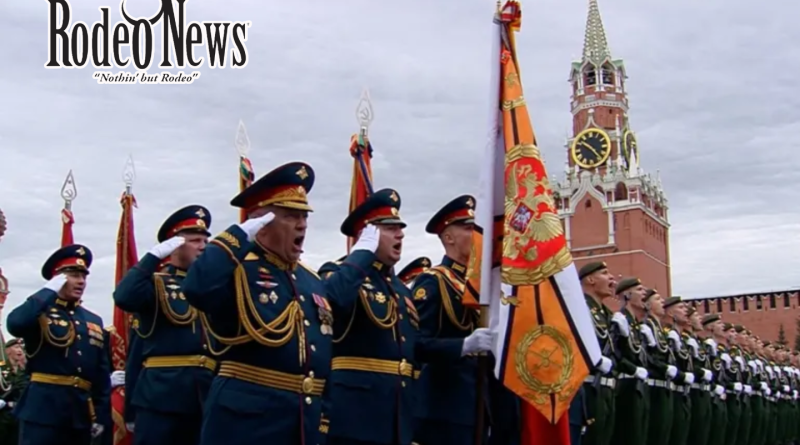
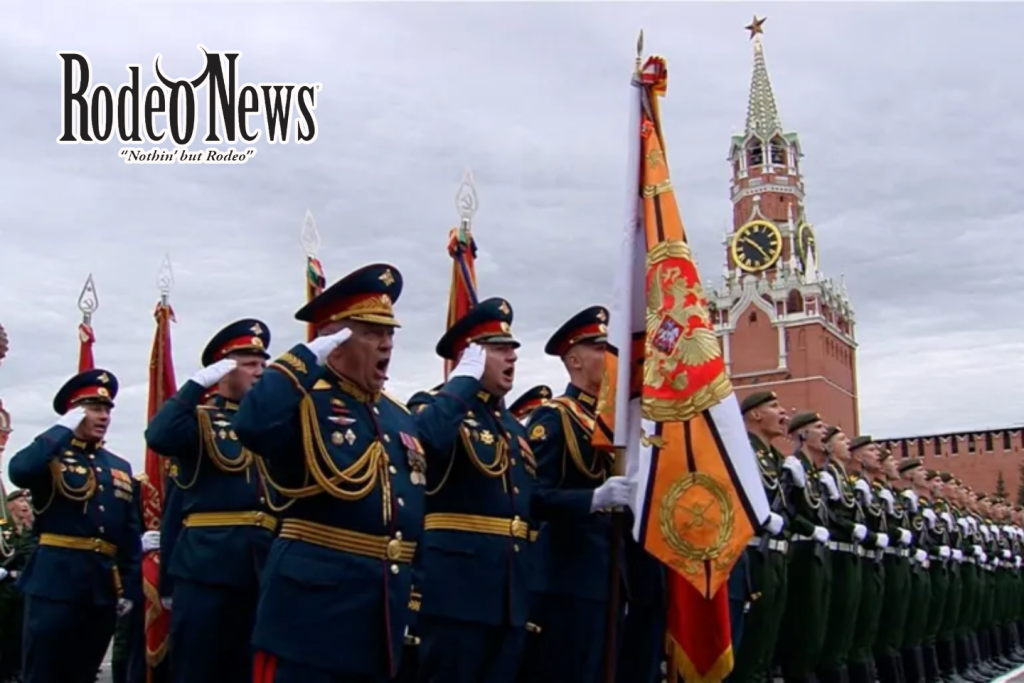
Russia staged a significantly scaled-back Victory Day celebration in Moscow on Friday, marking the Soviet Union’s defeat of Nazi Germany while facing mounting pressure from the ongoing war in Ukraine. The annual event, traditionally one of the Kremlin’s grandest displays of military strength, unfolded under intense security measures and without many of the heavy weapons usually showcased in Red Square.
The Russia downsized Victory Day parade reflected growing concerns inside the Kremlin over Ukrainian drone attacks, battlefield pressures, and domestic unease surrounding the prolonged conflict. President Vladimir Putin used the event to reinforce patriotic messaging and draw parallels between World War II and Russia’s military campaign in Ukraine.
Thousands of troops marched through Moscow’s Red Square as fighter jets flew overhead. However, tanks, armored vehicles, and missile launchers — once central symbols of Russia’s military power during Victory Day — were notably absent this year.
Why the Victory Day Parade Was Scaled Back
Russian officials cited security concerns and the threat of Ukrainian attacks as the main reasons for reducing the size of the parade. In recent weeks, Ukrainian drone strikes have increasingly targeted Russian territory, including areas close to Moscow.
The Kremlin implemented heavy security restrictions across the capital ahead of the celebration. Mobile internet services were disrupted in some areas, air defense systems were strengthened, and officials imposed temporary restrictions around central Moscow.
According to Russian authorities, omitting military hardware from the parade was necessary because of what they described as the “current operational situation.” Analysts believe the move also reflects the strain the Ukraine war has placed on Russia’s military resources after more than four years of conflict.
The scaled-back format marked one of the smallest Victory Day events in recent years. In previous parades, Russia displayed advanced missile systems, tanks, and nuclear-capable launchers to project military dominance.
Putin Uses WWII Symbolism to Defend Ukraine War
During an eight-minute speech, Putin praised Russian troops fighting in Ukraine and described them as heirs to the Soviet soldiers who defeated Nazi Germany during World War II.
The Russian president argued that Moscow is once again confronting what he called an aggressive Western-backed threat. He accused NATO countries of fueling the war by supporting Ukraine militarily and politically.
Putin has repeatedly framed the Ukraine conflict as part of a broader struggle against Western influence. Victory Day celebrations have become increasingly tied to Kremlin messaging surrounding the war since Russia launched its full-scale invasion of Ukraine in 2022.
“The great feat of the victorious generation inspires the soldiers carrying out the tasks of the special military operation today,” Putin said during the ceremony.
The speech aimed to maintain public support for the war despite rising economic pressure, casualties, and growing concerns over security inside Russia.
Ukraine War Casts Shadow Over Celebrations
The Russia downsized Victory Day parade took place as fighting continued across multiple fronts in Ukraine despite temporary ceasefire discussions. Moscow and Kyiv recently accused each other of violating short-term truce agreements linked to the holiday period.
Ukrainian President Volodymyr Zelenskyy mocked Moscow’s concerns before the event by symbolically “authorizing” Russia to hold the parade without attack. Ukraine later stated it would not target Red Square during the commemorations.
The Kremlin had reportedly become increasingly worried about the possibility of Ukrainian drone strikes disrupting the ceremony. Russia’s capital experienced heightened military patrols and extensive surveillance in the days leading up to the parade.
Despite the tense atmosphere, no major security incidents were reported during Friday’s event.
International Allies Attend Moscow Ceremony
Although several international leaders attended the Moscow event, the guest list was smaller than in previous years. Russia has faced growing diplomatic isolation from Western nations because of the Ukraine war and ongoing sanctions.
The parade included participation from North Korean soldiers, highlighting the deepening relationship between Moscow and Pyongyang. North Korea has reportedly provided military assistance and personnel support to Russia during the conflict.
Leaders from Belarus and several other countries friendly to Moscow also attended the event. However, many traditional foreign guests from Europe and Western-aligned nations were absent.
The reduced international presence further underscored Russia’s geopolitical shift toward closer ties with non-Western allies amid prolonged tensions with Europe and the United States.
Victory Day Remains Central to Russian Identity
Victory Day remains one of the most important national holidays in Russia. The annual May 9 celebration commemorates the Soviet victory over Nazi Germany in World War II, a conflict Russians refer to as the Great Patriotic War.
The Soviet Union lost an estimated 27 million people during the war, making the victory deeply embedded in Russia’s national identity and collective memory.
For decades, the Kremlin has used Victory Day ceremonies to reinforce patriotism, military pride, and national unity. Under Putin, the event has evolved into a major political spectacle that also serves broader geopolitical messaging.
Since the Ukraine invasion began, Victory Day has become increasingly connected to Kremlin narratives about defending Russia from foreign threats and preserving historical legacy.
Security Fears Highlight Russia’s Vulnerabilities
Military analysts say the decision to hold a Russia downsized Victory Day parade demonstrates how vulnerable Moscow has become to long-range Ukrainian attacks.
Ukraine has expanded its drone capabilities significantly over the past two years, striking oil depots, military infrastructure, and industrial facilities deep inside Russian territory. These operations have challenged Russia’s air defense systems and increased public anxiety.
Some Russian citizens reportedly expressed frustration over internet shutdowns, travel disruptions, and heightened security checks connected to the Victory Day event.
The Kremlin has attempted to balance public confidence with visible caution, seeking to avoid disruptions during one of the country’s most symbolic national celebrations.
Ceasefire Talks Continue in Background
The parade also coincided with renewed international efforts to push Russia and Ukraine toward temporary ceasefires and prisoner exchanges. Former US President Donald Trump announced support for a short-term truce surrounding Victory Day commemorations.
While both Moscow and Kyiv signaled openness to limited pauses in fighting, officials on both sides remain deeply divided over long-term peace conditions.
Russia continues to demand territorial concessions and security guarantees, while Ukraine insists on restoring its sovereignty and territorial integrity.
Analysts believe the symbolic nature of Victory Day may have encouraged temporary diplomatic gestures, but few expect a lasting breakthrough soon.
Moscow Sends Defiant Message Despite Reduced Display
Even without tanks and large-scale military hardware, the Kremlin sought to project resilience during the ceremony. Putin emphasized Russia’s determination to continue its military objectives while portraying the country as under siege from hostile foreign powers.
The Russia downsized Victory Day parade ultimately revealed two competing realities: Moscow’s desire to demonstrate strength and the growing pressures created by a costly, prolonged war.
While the Kremlin preserved the symbolic importance of Victory Day, the reduced scale of the event reflected the challenges Russia now faces both on the battlefield and at home.
As the Ukraine war enters another uncertain phase, Victory Day remains a powerful reminder of how historical memory continues to shape modern Russian politics and national identity.