Trump Tariff Fight Sparks New Global Trade Chaos
The latest Trump tariff fight is once again sending shockwaves through global markets, reigniting fears of economic instability and political confrontation as legal challenges, European tensions, and new trade threats dominate headlines.
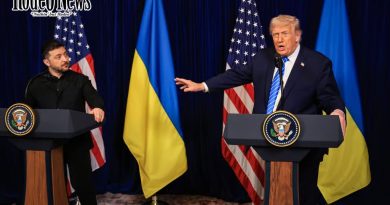
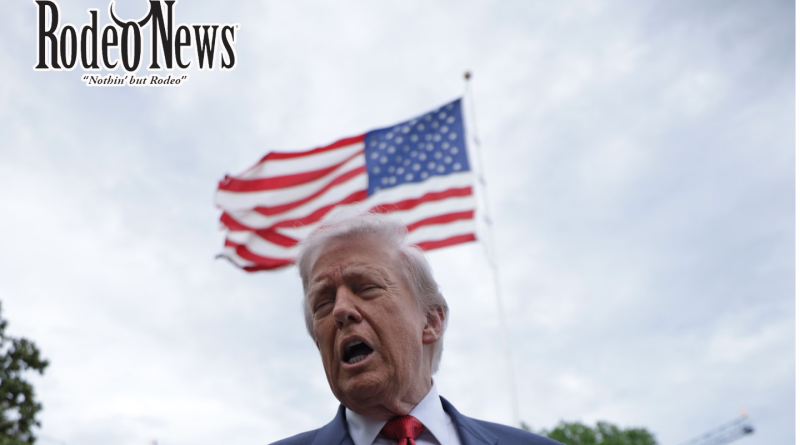
Former President Donald Trump intensified his rhetoric this week by warning the European Union that significantly higher tariffs could return if Brussels fails to finalize key portions of a trade agreement by July 4. The warning comes amid mounting legal setbacks against Trump’s broader tariff strategy and increasing concerns from businesses already struggling with uncertainty in international trade.
The renewed tariff dispute is rapidly becoming one of the defining economic battles of 2026, with analysts warning that continued instability could affect manufacturing, consumer prices, investment confidence, and global diplomatic relations.
Trump Escalates Pressure on the European Union
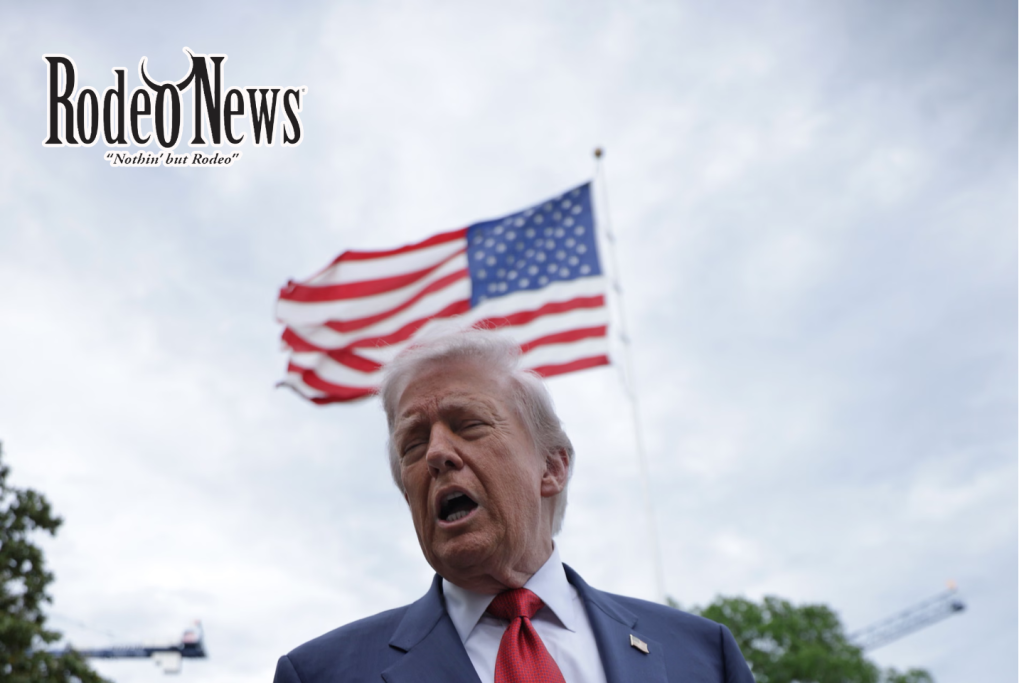
The Trump administration’s latest trade warning centers on a previously negotiated US-EU agreement designed to reduce tariffs on industrial goods. Trump accused European leaders of delaying implementation and threatened to impose much steeper import duties if the deal is not ratified before Independence Day.
European officials, however, have pushed back against the aggressive timeline. Negotiations in Brussels reportedly stretched for hours as lawmakers debated implementation details and broader trade concerns. EU officials remain publicly optimistic, though many European lawmakers are increasingly skeptical of Washington’s unpredictability on trade policy.
The dispute has created fresh uncertainty for automotive manufacturers, exporters, and logistics firms operating across both markets. Trump previously threatened to raise tariffs on European cars and trucks, a move that alarmed several major industries dependent on transatlantic commerce.
Economists warn that escalating tariffs between the United States and Europe could slow economic growth at a time when inflation and geopolitical tensions are already placing pressure on consumers worldwide.
Courts Deliver Major Blow to Trump’s Tariff Agenda
At the center of the current Trump tariff fight is a growing legal battle over presidential authority.
A federal trade court recently ruled that Trump’s 10% global tariffs were enacted unlawfully, marking another significant setback for his aggressive trade strategy. Judges concluded that the administration exceeded its legal authority under existing emergency economic powers laws.
The ruling follows a major US Supreme Court decision earlier this year that invalidated several of Trump’s emergency tariffs. The court determined that the International Emergency Economic Powers Act did not authorize the president to impose sweeping global import taxes in the manner used by the administration.
Legal analysts say the decisions could fundamentally reshape presidential trade powers for years to come.
Despite the rulings, the administration is expected to continue pursuing alternative tariff mechanisms through other federal trade laws. Officials have already signaled that new investigations under Sections 301 and 232 may be used to justify future import restrictions targeting strategic industries.
That means businesses could face continued uncertainty even as courts attempt to limit executive trade authority.
Businesses Fear More Economic Instability
The escalating tariff conflict is creating growing anxiety inside the business community.
Several companies have warned that ongoing trade disputes are disrupting investment planning, supply chains, and hiring decisions. Manufacturers dependent on imported materials fear additional costs if new tariffs are introduced later this year.
Some firms are also seeking refunds for tariffs already paid under policies now deemed unlawful by federal courts. According to reports, businesses could potentially recover billions of dollars if additional lawsuits succeed.
Retailers and importers remain especially vulnerable. Higher tariffs typically translate into increased prices for consumers, particularly for electronics, vehicles, home appliances, and industrial products.
Industry leaders argue that the uncertainty itself has become a major economic risk.
Without a stable long-term trade framework, companies may hesitate to expand operations or invest in new production capacity. Economists say this could weaken broader economic growth during a politically volatile election cycle.
Global Markets Closely Watching Trade Developments
Financial markets are also paying close attention to the evolving Trump tariff fight.
Investors have reacted cautiously to each new tariff announcement, legal ruling, and diplomatic dispute. While stock markets have remained relatively resilient in recent weeks, analysts warn that prolonged trade instability could trigger broader volatility.
International trading partners are increasingly concerned about the reliability of US trade commitments. European officials reportedly fear that even signed agreements could be altered or abandoned if political tensions escalate further.
Trade experts say this uncertainty weakens confidence in long-term economic partnerships and complicates negotiations involving critical industries such as steel, technology, and energy.
Meanwhile, several governments are reportedly preparing contingency plans in case new US tariffs are introduced later this year.
Political Tensions Intensify in Washington
The trade conflict is unfolding alongside broader political battles in Washington.
Democrats have accused Trump allies of using aggressive economic policies to strengthen political leverage ahead of key elections. At the same time, Republican leaders argue that tougher trade policies are necessary to protect American industries and counter unfair foreign competition.
The debate has intensified after recent court rulings weakened portions of the administration’s trade strategy.
Trump has continued defending tariffs as an essential negotiating tool, insisting they helped secure favorable trade agreements and pressured foreign governments into concessions. Supporters argue the measures boosted domestic manufacturing and reduced dependence on foreign supply chains.
Critics, however, claim the policies increased costs for American consumers and created unnecessary economic instability.
The legal defeats may now force Congress to reconsider the balance of power between the executive branch and lawmakers on trade matters.
Iran Conflict Adds Further Economic Pressure
Complicating the situation even further are rising geopolitical tensions involving Iran.
Recent military confrontations in the Strait of Hormuz have already affected global energy markets and added new uncertainty to international trade flows. Trump described the latest exchange with Iran as a “love tap,” but military analysts warn the situation remains fragile.
Oil prices and shipping costs have fluctuated amid fears of broader regional conflict.
Economists note that combining geopolitical instability with aggressive tariff battles could amplify economic risks worldwide. Higher transportation costs, disrupted supply chains, and weaker investor confidence may all contribute to slower global growth.
Several multinational companies are now reassessing operational risks across both Europe and the Middle East as tensions continue to rise.
What Happens Next in the Trump Tariff Fight?
The next few months could prove critical for the future of global trade policy.
Trump’s July 4 deadline for the European Union is expected to become a major diplomatic flashpoint. If negotiations collapse, new tariffs could quickly reignite tensions between two of the world’s largest economic blocs.
Meanwhile, legal battles over presidential tariff authority are likely headed toward additional appeals and possibly further Supreme Court review.
Businesses, investors, and foreign governments are all watching closely.
The outcome of the ongoing Trump tariff fight may determine not only the future of US trade policy but also the broader stability of the global economy in 2026.
For now, uncertainty remains the dominant theme.
As Washington, Brussels, and international markets brace for the next round of confrontation, economists warn that prolonged trade instability could leave lasting effects on industries, consumers, and geopolitical alliances around the world.