Indonesia Volcano Disaster: 3 Hikers Killed on Mount Dukono
An Indonesia volcano disaster unfolded on Friday after Mount Dukono erupted on Halmahera Island, killing at least three hikers and triggering a large-scale search and rescue mission for missing climbers. Authorities confirmed that the eruption occurred despite official warnings and restrictions around the active volcano.
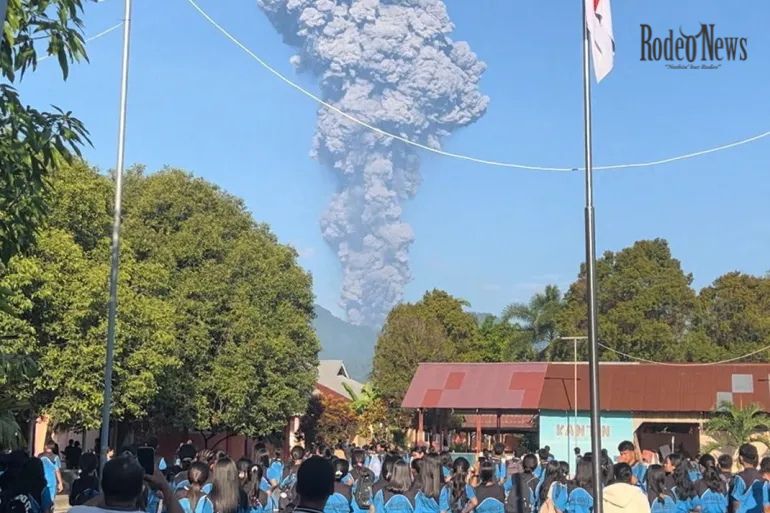
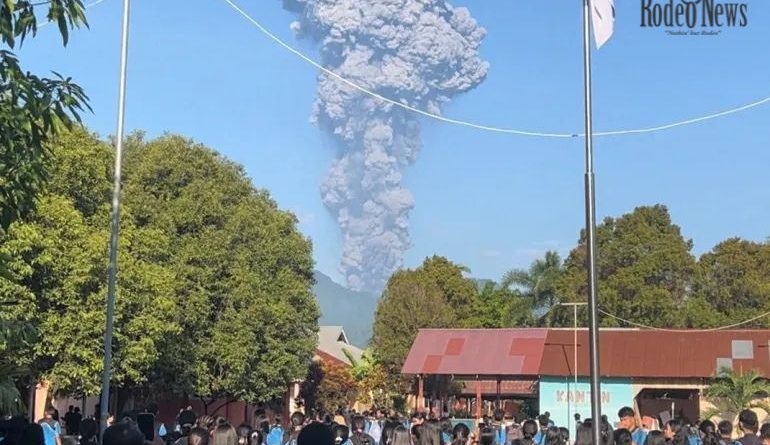
The eruption sent massive ash clouds nearly 10 kilometers into the sky, creating dangerous conditions for hikers and rescue teams. Indonesian authorities immediately deployed emergency personnel to evacuate survivors while continuing operations to locate those still unaccounted for.
Mount Dukono Eruption Triggers Chaos
The deadly eruption happened early Friday morning at Mount Dukono, one of Indonesia’s most active volcanoes. According to Indonesia’s volcanology agency, the volcano erupted at approximately 7:41 a.m. local time, producing thick ash plumes visible from nearby towns.
Officials stated that the eruption trapped a group of hikers who had entered restricted areas around the volcano. The climbing zone had already been closed since April due to increasing volcanic activity. However, several hikers reportedly ignored the warnings and continued trekking near the crater.
Authorities later confirmed that at least three hikers died during the eruption. Reports indicated that two of the victims were Singaporean nationals, while the third was an Indonesian citizen.
Meanwhile, rescue workers successfully evacuated several survivors from the dangerous slopes. Emergency teams faced major challenges because of thick volcanic ash, unstable terrain, and continuous volcanic activity.
Search for Missing Hikers Continues
The Indonesia volcano disaster quickly became a large-scale rescue operation after multiple hikers were reported missing. Initial reports suggested that around 20 climbers were trapped on the mountain during the eruption.
By Friday evening, rescue teams had evacuated many survivors. However, authorities temporarily halted parts of the operation because ongoing eruptions made conditions too dangerous for rescuers.
Indonesia’s National Search and Rescue Agency confirmed that search efforts would resume once volcanic conditions improved. Officials warned that additional eruptions could occur at any moment.
Survivors described scenes of panic as volcanic ash covered hiking routes and reduced visibility. Some climbers reportedly suffered burns and breathing difficulties after exposure to ash and volcanic gases.
Authorities Had Issued Prior Warnings
The tragedy has raised questions about safety enforcement around active volcanoes in Indonesia. Authorities had already restricted public access near Mount Dukono because of increased volcanic activity recorded since March.
Scientists monitoring the volcano observed nearly 200 small eruptions in recent weeks. The government maintained a high-level alert status and warned tourists to remain at least four kilometers away from the crater.
Despite those warnings, several hikers still entered the prohibited zone. Local officials are now investigating whether tour organizers or guides ignored safety regulations.
Indonesian police also confirmed that warning signs and public advisories had been posted before the eruption. Authorities stressed that the restricted area existed specifically because of the volcano’s unpredictable behavior.
Indonesia’s Ongoing Volcanic Threat
Indonesia experiences frequent volcanic activity because the country sits along the Pacific Ring of Fire, one of the world’s most seismically active regions. The nation has more active volcanoes than any other country.
Mount Dukono itself has remained highly active for decades. Experts say the volcano has erupted continuously since 1933, making it one of Indonesia’s most dangerous volcanoes.
Volcanic disasters in Indonesia have repeatedly caused casualties over the years. In recent history, deadly eruptions and landslides linked to volcanic activity have displaced thousands of residents and tourists.
The latest Indonesia volcano disaster also highlights growing concerns over adventure tourism in high-risk areas. Many volcanoes in Indonesia attract hikers and social media travelers seeking dramatic views despite clear safety warnings.
Rescue Teams Face Dangerous Conditions
Emergency crews continue working under extremely hazardous conditions on Halmahera Island. Thick ashfall, toxic gases, and unstable volcanic slopes have complicated rescue operations.
Officials said rescue teams must balance urgency with safety. Sudden eruptions remain possible, and authorities warned that heavy rain could trigger volcanic mudflows near the mountain.
Several rescued hikers were transported to nearby hospitals for treatment. Medical teams treated victims for respiratory problems, burns, dehydration, and injuries caused by falling debris.
Meanwhile, local residents in nearby communities were advised to remain indoors during periods of heavy ashfall. Authorities distributed masks and emergency supplies to affected villages.
Tourism Safety Under Scrutiny
The Mount Dukono eruption has intensified discussions about tourist safety around active volcanoes in Southeast Asia. Indonesia remains one of the world’s top destinations for volcano trekking, attracting thousands of foreign tourists every year. However, experts warn that many visitors underestimate the dangers associated with active volcanic systems.
Some officials believe social media trends have contributed to risky behavior among travelers. Dramatic volcano footage and adventure content continue encouraging tourists to visit hazardous areas despite official restrictions.
Tourism operators may now face stricter regulations following the tragedy. Authorities are expected to review safety protocols, permit systems, and enforcement procedures for volcano tourism across Indonesia.
International Attention on Indonesia Volcano Disaster
The disaster has drawn international attention, particularly in Singapore after reports confirmed that Singaporean nationals were among the victims. Regional governments are coordinating with Indonesian authorities to assist affected families and monitor rescue efforts.
Foreign ministries in neighboring countries have also issued updated travel advisories warning citizens about volcanic risks in Indonesia. Experts say tourists should always follow local warnings and avoid entering restricted zones near active volcanoes.
Although rescue operations continue, officials fear the death toll could rise if additional victims are discovered in remote areas of the volcano. Authorities remain focused on locating missing hikers while monitoring ongoing volcanic activity.
What Happens Next?
Indonesia’s volcanology agency continues monitoring Mount Dukono closely for further eruptions. Scientists warned that volcanic activity remains unstable and unpredictable.
Authorities have urged residents and tourists to avoid all restricted areas near the crater until conditions stabilize. Search teams are expected to resume full operations once volcanic activity decreases enough to allow safer access.
The Indonesia volcano disaster serves as another reminder of the country’s ongoing struggle with natural disasters. While Indonesia’s volcanoes attract global tourism and scientific interest, they also present constant risks for nearby communities and travelers.
For now, emergency officials remain focused on one urgent mission: finding the missing hikers and preventing further casualties near Mount Dukono.