Trump Global Tariff Ruled Illegal in Major Court Blow
A United States trade court has ruled that President Donald Trump exceeded his authority by imposing sweeping global tariffs under a controversial trade law, delivering another major legal setback to one of the administration’s signature economic strategies. The decision marks the latest escalation in the long-running legal and political battle surrounding Trump’s aggressive trade agenda.
The ruling, issued by the U.S. Court of International Trade in New York, found that the administration’s 10% universal tariff policy violated the limits established under Section 122 of the Trade Act of 1974. Judges concluded that the White House failed to prove the kind of economic emergency required to justify broad import duties on foreign goods.
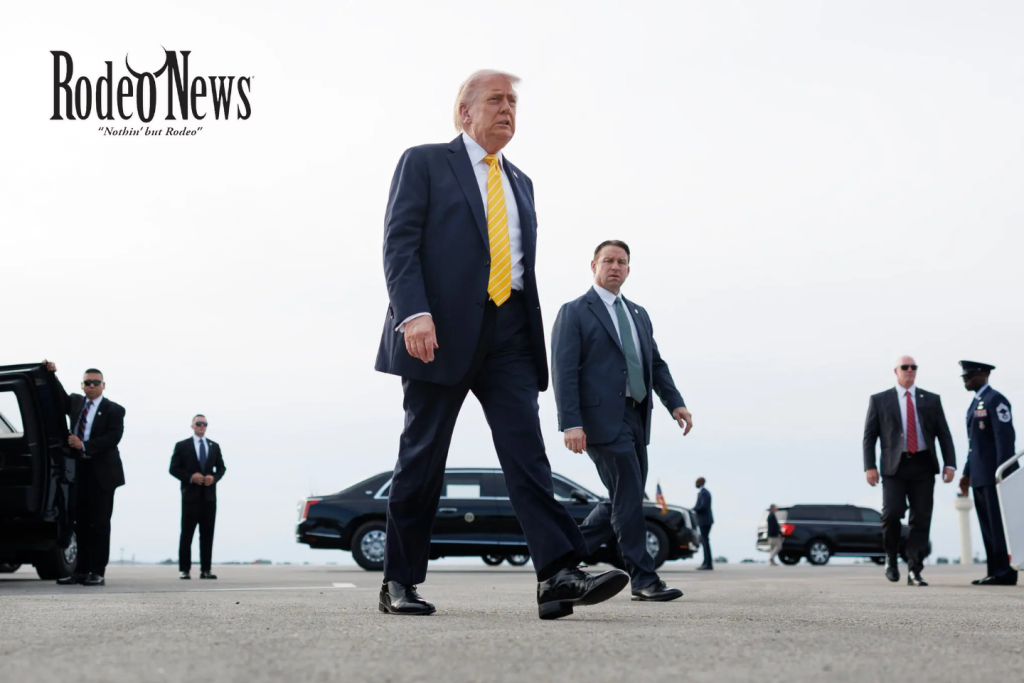
The decision represents a serious challenge to Trump’s broader economic platform as he continues to defend tariffs as a central tool for reshaping global trade and protecting American manufacturing.
Court Rejects Trump Administration’s Legal Argument
The trade court’s ruling centered on the administration’s attempt to justify universal tariffs by pointing to America’s trade deficit. However, the judges determined that a trade imbalance alone does not meet the legal threshold necessary for emergency tariff powers.
According to the court, Section 122 was originally intended for severe balance-of-payments crises rather than broad political or economic leverage. Judges warned that accepting the administration’s interpretation would effectively grant unlimited tariff authority to the presidency.
The panel ruled 2-1 against the administration, stating that the tariffs were “unauthorized by law” and exceeded presidential authority delegated by Congress.
Although the ruling currently applies only to specific plaintiffs in the case, legal experts believe it could open the door for additional lawsuits from businesses and states affected by the tariffs.
Businesses Celebrate the Tariff Decision
Several companies involved in the lawsuit praised the decision almost immediately after the ruling became public.
Among the plaintiffs were toy company Basic Fun! and spice importer Burlap & Barrel, both of which argued that the tariffs significantly increased operating costs and disrupted supply chains. Business leaders claimed the policy created uncertainty for importers already dealing with inflation and volatile global shipping conditions.
Jay Foreman, CEO of Basic Fun!, described the ruling as an important victory for American companies dependent on global manufacturing networks. The company argued that the tariffs harmed competitiveness rather than strengthening domestic business operations.
Many small and mid-sized importers have spent months warning that sudden tariff hikes forced them to raise prices for consumers or absorb heavy financial losses.
Another Legal Defeat for Trump’s Tariff Agenda
The latest decision follows an earlier defeat at the U.S. Supreme Court involving separate tariffs imposed under the International Emergency Economic Powers Act (IEEPA). Earlier this year, the Supreme Court ruled that Trump lacked authority to impose sweeping emergency tariffs under that statute.
That Supreme Court decision forced the administration to explore alternative legal mechanisms for continuing its tariff policies. Section 122 became the administration’s backup strategy after the previous tariff framework was struck down.
However, critics argued from the beginning that the revised tariff plan would face similar constitutional and legal challenges.
Trade attorneys and constitutional scholars have repeatedly warned that broad tariff authority ultimately belongs to Congress under the U.S. Constitution. Courts increasingly appear willing to scrutinize executive attempts to bypass legislative approval for major economic actions.
Financial Impact Could Be Massive
The legal consequences of the ruling could become financially significant for the federal government.
Previous court decisions involving Trump-era tariffs already exposed the government to potentially enormous refund obligations. Reuters previously reported that more than $175 billion in tariff collections could become subject to refunds after earlier rulings invalidated portions of the administration’s trade policies.
If additional courts expand the scope of the current decision, importers across multiple industries could seek repayment for tariffs collected under the challenged policy.
Economists say the uncertainty surrounding tariffs has complicated long-term business planning for manufacturers, retailers, logistics firms, and international suppliers. Some companies delayed investments or shifted sourcing strategies because of rapidly changing trade rules.
Meanwhile, investors are closely monitoring whether the administration will appeal the latest ruling or attempt yet another legal workaround.
Trump Administration Expected to Appeal
Despite the setback, the administration is widely expected to challenge the ruling in higher courts.
Officials have continued defending tariffs as necessary tools for protecting American workers and confronting unfair foreign trade practices. Trump himself has repeatedly argued that tariffs generate leverage in negotiations with trading partners and encourage domestic production.
Legal analysts believe the case could eventually return to the Supreme Court, particularly if broader injunctions are requested against future tariff enforcement.
The administration may also continue pursuing tariffs under other provisions of U.S. trade law, including Section 301 investigations involving alleged unfair trade practices by foreign governments.
Some analysts believe the White House could shift toward more targeted tariffs instead of universal import duties in order to avoid further legal defeats.
Global Markets Watching Closely
International markets reacted cautiously to the court’s decision, as investors assessed what the ruling might mean for future U.S. trade policy.
For global exporters, the ruling could temporarily reduce fears of expanded tariff escalation. Many international businesses had been preparing for prolonged uncertainty involving U.S. import restrictions and retaliatory measures.
Countries heavily dependent on exports to the United States have closely monitored Trump’s tariff policies throughout both of his presidential terms. Economists warn that prolonged tariff battles can disrupt global supply chains, increase consumer prices, and slow economic growth.
Financial markets generally prefer stable and predictable trade policies because multinational corporations rely heavily on long-term international contracts and logistics planning.
The decision also arrives during a politically sensitive period as the administration continues broader negotiations involving trade, manufacturing, and economic competitiveness.
Why the Trump Global Tariff Ruled Illegal Decision Matters
The broader significance of the ruling extends beyond tariffs alone.
Legal experts say the case could reshape the balance of power between Congress and the presidency regarding economic policy. Courts appear increasingly skeptical of expansive executive authority involving trade restrictions and emergency powers.
The ruling may also influence future administrations seeking to use aggressive trade measures without direct congressional approval.
For businesses, the case highlights the growing uncertainty surrounding modern trade policy in the United States. Companies operating globally must now navigate rapidly evolving legal and political risks tied to tariffs and import restrictions.
At the same time, supporters of the ruling argue that clearer constitutional limits are necessary to maintain economic stability and prevent abrupt policy shifts.
Critics of Trump’s tariff strategy say unpredictable trade measures hurt both American consumers and businesses by increasing costs and disrupting supply chains.
Supporters, however, continue to argue that tariffs remain one of the few effective tools available for confronting trade imbalances and protecting domestic industries from foreign competition.
What Happens Next
The administration’s next move will likely determine the immediate future of the tariff policy.
If the ruling is appealed, enforcement could continue temporarily while higher courts review the decision. Additional lawsuits from businesses and state governments may also emerge in the coming weeks.
Trade experts believe future legal battles will focus heavily on whether presidents can independently impose large-scale tariffs without explicit congressional authorization.
The outcome could influence not only Trump’s economic agenda but also the future of American trade policy for years to come.
For now, the ruling stands as another major judicial rebuke to one of the most aggressive tariff strategies pursued by a modern U.S. administration.