Hormuz Clash Escalates After US-Iran Naval Fire
The latest Strait of Hormuz clash between Iranian forces and the United States military has intensified fears of a broader regional conflict in the Middle East. Reports from multiple international outlets confirmed that Iranian forces and US Navy destroyers exchanged fire near Iran’s Qeshm Island, one of the most strategically sensitive areas in global energy shipping routes.
The confrontation occurred amid an already fragile ceasefire that had temporarily reduced tensions between Washington and Tehran. However, the latest exchange has renewed concerns over global oil supplies, maritime security, and the possibility of direct military escalation between the two longtime rivals.
According to US Central Command, Iranian forces launched missiles, drones, and fast attack boats toward three American destroyers transiting the Strait of Hormuz. The Pentagon stated that none of the vessels suffered damage because American defense systems intercepted the incoming threats.
Iranian state media offered a different version of events. Tehran accused the United States of violating the ceasefire by targeting an Iranian oil tanker and civilian maritime infrastructure before the naval exchange erupted. Iranian outlets claimed American vessels were forced to retreat after coming under missile fire from Iranian naval forces.
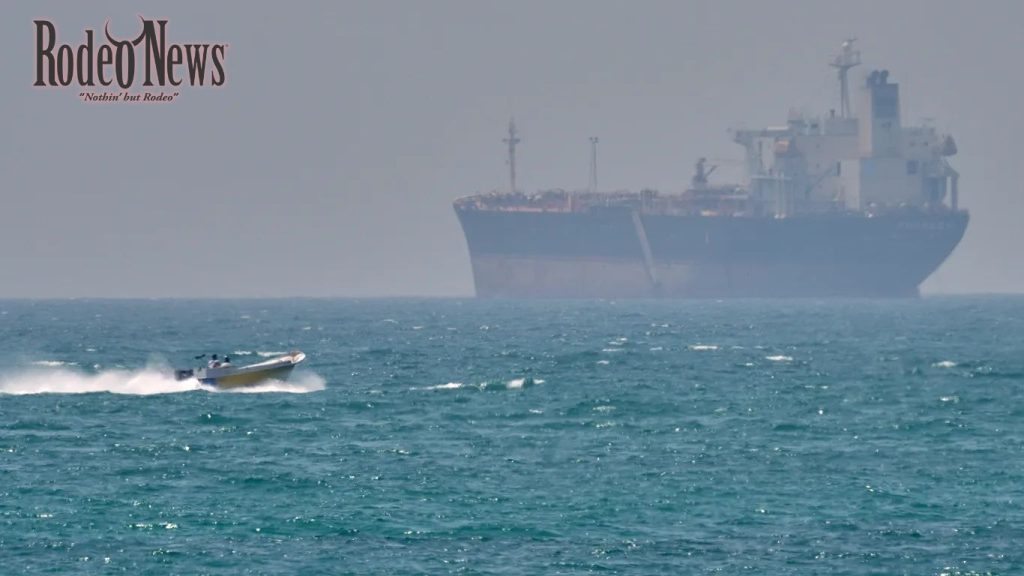
Why the Strait of Hormuz Clash Matters
The Strait of Hormuz clash carries enormous geopolitical significance because the narrow waterway is one of the world’s most critical oil transit chokepoints.
Roughly one-fifth of global oil shipments pass through the strait every day. Any military confrontation in the region immediately affects energy markets, shipping insurance rates, and global trade stability.
The strategic corridor connects the Persian Gulf with the Gulf of Oman and the Arabian Sea. Countries including Saudi Arabia, the United Arab Emirates, Kuwait, Iraq, and Qatar rely heavily on the route for energy exports.
In recent months, tensions around the strait have escalated dramatically following the broader 2026 Iran conflict. Iran previously threatened to close the waterway entirely after military strikes conducted by the United States and Israel earlier this year.
The latest exchange of fire therefore represents more than an isolated military incident. Analysts believe it could reshape regional security calculations and increase the risk of prolonged naval confrontations.
US Navy Destroyers Targeted Near Qeshm Island
US officials said the destroyers involved in the Strait of Hormuz clash included the USS Truxtun, USS Rafael Peralta, and USS Mason. The vessels were reportedly conducting transit operations through international waters when Iranian forces launched attacks.
American military officials described the Iranian attack as “unprovoked.” Shortly afterward, US forces launched retaliatory strikes against Iranian military infrastructure near Bandar Abbas and Qeshm Island.
Targets reportedly included:
- Missile launch platforms
- Drone deployment facilities
- Radar installations
- Command and intelligence centers
The Pentagon emphasized that the strikes were defensive in nature and aimed at protecting freedom of navigation in international waters.
Meanwhile, Iran accused Washington of deliberately escalating tensions during ongoing diplomatic discussions. Tehran insisted that its military actions were a direct response to earlier American attacks on Iranian maritime assets.
Fragile Ceasefire Faces New Pressure
The naval confrontation has placed enormous pressure on the ceasefire agreement negotiated only weeks earlier.
US President Donald Trump attempted to downplay the exchange, reportedly calling the American response a “love tap” while warning that harsher military action could follow if Iran refuses future negotiations.
Despite those comments, military analysts believe the risk of miscalculation remains extremely high.
A single missile strike causing casualties or sinking a naval vessel could rapidly trigger wider military retaliation across the Gulf region. Several regional governments are already monitoring the situation closely because any disruption in Hormuz shipping lanes could severely damage their economies.
Diplomatic sources also suggest that backchannel talks involving mediators from Pakistan and Gulf states remain active. However, neither side currently appears willing to make significant concessions publicly.
Oil Markets React to Strait of Hormuz Tensions
Global energy markets reacted immediately following reports of the Strait of Hormuz clash.
Oil traders have become increasingly sensitive to military developments near the waterway because previous Iranian threats already reduced shipping traffic dramatically earlier this year.
Insurance costs for tankers operating near the Gulf have surged in recent months. Several maritime companies have also reduced voyages through the region due to concerns over mines, drone attacks, and naval interceptions.
Analysts warn that any sustained military escalation could produce several consequences:
Rising Global Oil Prices
Reduced tanker traffic would tighten global supply chains and increase energy prices worldwide.
Higher Shipping Costs
Commercial operators may face elevated insurance premiums and security expenses.
Economic Uncertainty
Countries heavily dependent on imported oil could experience inflationary pressure and market instability.
Regional Military Buildup
Additional US naval deployments or Iranian military mobilization could further heighten tensions.
Financial markets remain highly sensitive to developments involving the Strait of Hormuz because even temporary disruptions can affect global energy supplies within days.
Operation Project Freedom and Maritime Security
The latest Strait of Hormuz clash also comes shortly after the United States announced “Operation Project Freedom,” a naval mission designed to escort commercial vessels safely through the region.
The operation aimed to restore confidence among international shipping companies after repeated Iranian threats and maritime incidents earlier this year.
However, the mission was reportedly paused temporarily amid diplomatic negotiations with Tehran. The recent exchange of fire now raises serious questions about whether Washington will restart expanded military escorts in the Gulf.
Security experts believe future convoy operations could increase the possibility of additional encounters between Iranian Revolutionary Guard naval units and American warships.
The danger is especially high in narrow maritime corridors where heavily armed vessels operate in close proximity under extreme political tension.
Iran Expands Control Over Maritime Transit
Adding further complexity to the crisis, Iran recently established the Persian Gulf Strait Authority, a new governmental body tasked with regulating maritime transit through the region.
Iranian officials argue the authority is necessary to maintain order and prevent unauthorized shipping activity during wartime conditions.
Critics, however, see the move as an attempt by Tehran to exert greater control over one of the world’s most strategically important waterways.
The authority reportedly oversees:
- Transit authorization procedures
- Maritime safety coordination
- Shipping regulations
- Strait navigation monitoring
Western governments remain skeptical of Iran’s intentions and continue insisting that international waters must remain open to unrestricted navigation.
International Reactions Continue to Grow
Several world powers have urged both Washington and Tehran to avoid further escalation.
European leaders expressed concern that renewed military exchanges could undermine ongoing diplomatic efforts and destabilize the broader Middle East.
Meanwhile, Asian economies heavily dependent on Gulf energy imports are closely monitoring developments because prolonged disruption in Hormuz shipping routes could threaten economic recovery and industrial supply chains.
The United Nations has also reportedly discussed potential maritime security initiatives aimed at reducing the risk of future confrontations in the area.
Despite international pressure, both sides continue blaming each other for violating ceasefire conditions.
What Happens Next?
The future of the Strait of Hormuz clash remains uncertain.
Military analysts believe several scenarios are possible over the coming weeks:
- Continued limited naval skirmishes
- Renewed diplomatic negotiations
- Expanded US naval escort operations
- Broader regional military escalation
Much will depend on whether future incidents produce casualties or major infrastructure damage.
For now, both Washington and Tehran appear determined to demonstrate military strength while avoiding full-scale war. However, the margin for error in the Strait of Hormuz remains dangerously small.
With global energy markets already under pressure and regional tensions continuing to rise, the latest confrontation serves as another reminder that the Strait of Hormuz remains one of the most volatile flashpoints in the world.