Rabid Beaver Attack in New Jersey Shocks Park Visitors
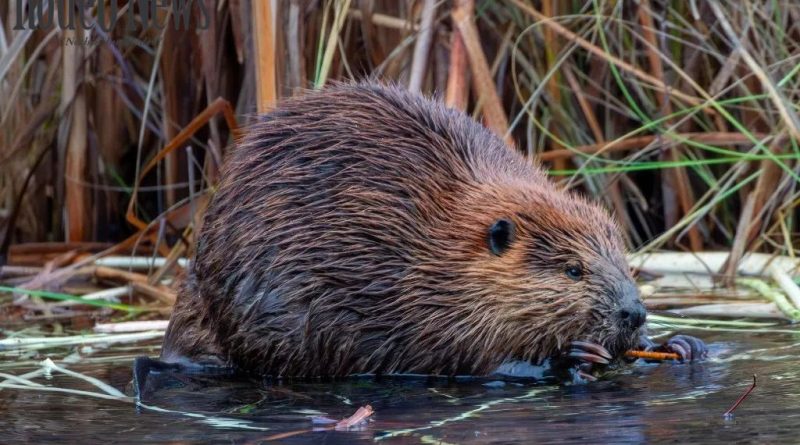
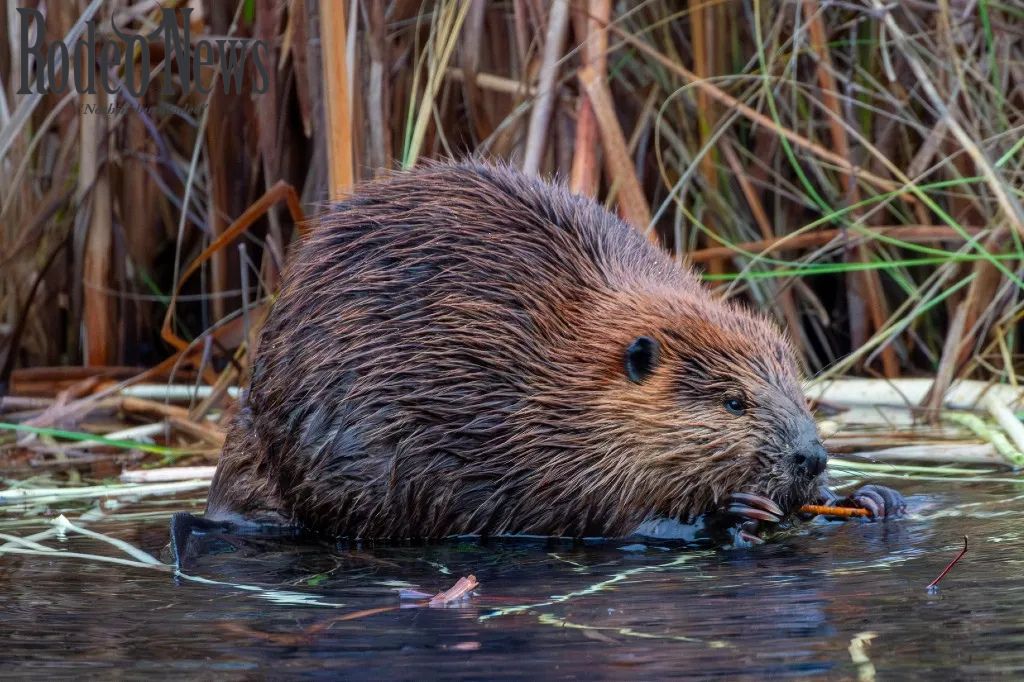
A shocking rabid beaver attack at a New Jersey park has left several people receiving medical treatment after officials confirmed the animal tested positive for rabies. The unusual wildlife incident happened at Lake Henry in Mahwah, New Jersey, where authorities say a beaver aggressively attacked multiple visitors, including an eight-year-old boy.
The attack has raised fresh concerns about wildlife safety and rabies exposure in public parks across the United States. Health officials are now warning residents to avoid contact with wild animals and immediately seek medical attention after any bite or scratch.
Beaver Attack Happened at Popular New Jersey Park
According to local officials, police responded to reports of an animal attack at Lake Henry in the Continental Soldiers Park complex in Mahwah on Sunday evening. Witnesses said the beaver suddenly emerged from the water and aggressively charged at people near the shoreline.
An eight-year-old boy was reportedly fishing near the lake when the animal rushed toward him. Authorities said the child attempted to run away but tripped, allowing the beaver to bite him on the upper thigh.
A nearby family friend intervened and fought off the animal by kicking and striking it until it retreated. Emergency medical crews later transported the child to a nearby hospital for treatment. Officials have not publicly released details regarding the boy’s condition.
Officials Confirm Rabies Infection
After the incident, animal control officers captured the beaver because it appeared to show signs of illness and unusual aggression. The animal was then sent for laboratory testing.
On Tuesday, the Mahwah Health Department confirmed the beaver tested positive for rabies. Officials also revealed the same animal may have attacked several other park visitors earlier in the day.
In a public statement, health officials urged anyone who had contact with the beaver to seek immediate medical evaluation. People exposed to rabies often require urgent preventive treatment before symptoms develop.
The township warned residents to avoid wildlife because any warm-blooded animal can potentially carry rabies.
Why Rabies Is So Dangerous
Rabies is one of the deadliest viral infections in the world. The virus attacks the central nervous system and is typically spread through saliva after a bite from an infected animal. According to health experts, once symptoms begin, rabies is almost always fatal.
Early symptoms can resemble the flu, including fever, headache, fatigue, nausea, and weakness. As the disease progresses, infected individuals may experience confusion, hallucinations, paralysis, and difficulty swallowing.
Fortunately, rabies can usually be prevented if treatment starts quickly after exposure. Doctors often administer a series of rabies vaccinations along with immune globulin therapy to stop the virus before it reaches the brain.
Health officials stress that people should never ignore animal bites, especially from wild animals behaving aggressively or unusually.
Unusual Aggression Raises Alarm
Wildlife experts say beavers are generally not aggressive toward humans unless they feel threatened or are suffering from illness. That is why the recent rabid beaver attack has captured national attention.
Several reports noted the animal repeatedly charged park visitors and continued circling the area after attacking the child. Authorities described the beaver’s behavior as highly abnormal and consistent with rabies infection.
Videos circulating online reportedly showed the beaver pursuing people near the lake earlier in the day. Police later confirmed they became aware of multiple attack reports after reviewing witness accounts and social media footage.
Wildlife professionals say aggressive daytime behavior, staggering movements, frothing at the mouth, and loss of fear around humans are common warning signs of rabies in animals.
Rabies Cases in the United States
Although rabies infections in humans are rare in the United States, the disease still appears in thousands of animals every year. Wildlife species such as bats, raccoons, skunks, foxes, and coyotes are among the most common carriers.
Beavers are not typically associated with rabies outbreaks, making the New Jersey incident especially unusual. However, experts note that any mammal can become infected if exposed to the virus through another rabid animal.
According to health authorities, animal rabies cases increase during warmer months because more people spend time outdoors interacting with wildlife habitats. Public parks, lakes, and wooded recreational areas can create opportunities for unexpected encounters with infected animals.
Officials continue encouraging pet owners to maintain up-to-date rabies vaccinations for dogs and cats to reduce the risk of transmission.
Public Health Warning Issued
Following the incident, Mahwah health officials issued a public warning advising residents to immediately report any contact with the infected beaver.
Medical professionals assess exposure risks based on bites, scratches, or contact between saliva and broken skin. Even small exposures can potentially transmit the virus.
Authorities are now investigating whether additional individuals may have encountered the animal before it was captured. Residents who visited Lake Henry during the weekend were encouraged to monitor for possible exposure and contact local health departments if necessary.
Meanwhile, park visitors are being reminded not to feed, touch, or approach wildlife under any circumstances.
Wildlife Encounters Are Increasing
Experts say encounters between humans and wildlife have increased in many suburban communities as development expands into natural habitats. Lakes, parks, and residential neighborhoods often place people in closer proximity to wild animals than ever before.
While most wildlife interactions remain harmless, incidents involving diseased or injured animals can quickly become dangerous. Public health officials say awareness is critical for preventing future attacks and rabies exposure.
Parents are especially encouraged to teach children never to approach wild animals, even if they appear calm or injured. Animals infected with rabies can sometimes behave unusually tame before becoming aggressive.
How to Stay Safe Around Wild Animals
Health officials recommend several safety steps to reduce the risk of rabies exposure:
Avoid Contact With Wildlife
Never attempt to feed, capture, or touch wild animals. Even animals that appear healthy can carry diseases.
Report Aggressive Animal Behavior
Animals acting strangely, aggressively, or without fear of humans should be reported immediately to local authorities or animal control officers.
Vaccinate Pets
Keeping pets vaccinated against rabies helps prevent transmission to humans and other animals.
Seek Medical Attention Quickly
Anyone bitten or scratched by a wild animal should wash the wound thoroughly with soap and water and seek emergency medical care immediately.
Supervise Children Outdoors
Children should always be monitored near lakes, parks, and wooded areas where wildlife may be present.
Investigation Continues After Rabid Beaver Attack
Authorities continue investigating the full extent of the New Jersey incident, including how many people may have been exposed before the animal was captured.
The shocking rabid beaver attack serves as a reminder that wildlife encounters can become dangerous without warning. While attacks involving beavers remain rare, officials say the incident highlights the importance of rabies awareness and rapid medical treatment after any potential exposure.
As warmer weather draws more families to parks and lakes across the country, health experts are urging the public to stay alert and maintain a safe distance from wildlife at all times.