Hantavirus Cruise Ship Crisis: Spain Steps In Amid Growing Alarm
A deadly hantavirus cruise ship outbreak has triggered international concern, prompting Spain to take a decisive humanitarian step. Authorities in Spain have agreed to receive a stranded cruise vessel linked to multiple infections and deaths, as global health officials warn of a rare and potentially dangerous development: possible human-to-human transmission of the virus.
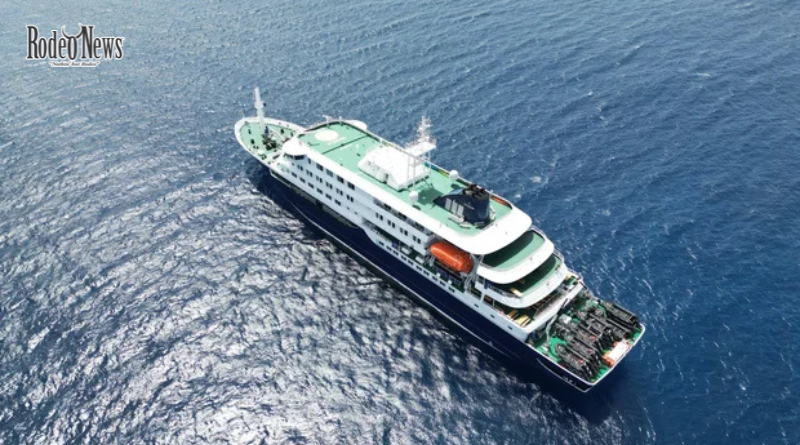
The situation centers on the expedition cruise ship MV Hondius, which has been drifting near Cape Verde after being denied entry due to health risks. With passengers confined to cabins and medical teams scrambling to contain the outbreak, Spain’s decision marks a turning point in the unfolding crisis.
What Happened on the Hantavirus Cruise Ship?
The hantavirus cruise ship crisis began after several passengers aboard the MV Hondius developed severe respiratory symptoms during a voyage that started in Argentina. The ship, carrying roughly 150 passengers and crew from multiple countries, quickly became the focus of an international health emergency.
According to the World Health Organization, at least seven suspected cases have been identified, including three confirmed deaths.
The outbreak escalated rapidly, forcing the vessel to halt its journey and seek emergency assistance. However, Cape Verde—where the ship initially attempted to dock—lacked the capacity to manage such a complex health crisis and denied entry.
As a result, the ship remained stranded offshore, with passengers confined to their cabins under strict quarantine measures.
Spain Agrees to Accept the Ship
In a significant development, Spain confirmed it would allow the hantavirus cruise ship to dock in the Canary Islands. The decision was based on both humanitarian and legal considerations.
Spanish authorities emphasized their responsibility to assist, particularly since several passengers are Spanish nationals. Medical teams in the Canary Islands are now preparing to receive the vessel, conduct health screenings, and provide treatment to those affected.
The Canary Islands were selected due to their proximity and robust healthcare infrastructure, making them the most suitable destination for managing the outbreak.
WHO Raises Concern Over Rare Transmission
One of the most alarming aspects of the hantavirus cruise ship situation is the possibility of human-to-human transmission. Traditionally, hantavirus spreads through exposure to infected rodent droppings, urine, or saliva.
However, the WHO suspects that the strain involved—likely the Andes virus—may have spread between individuals in close contact, such as couples sharing cabins.
This form of transmission is extremely rare but has been documented in South America. If confirmed, it could significantly alter how health authorities respond to future outbreaks.
Despite these concerns, the WHO has stated that the overall public health risk remains low, noting that transmission typically requires prolonged and close exposure.
Life Aboard the Quarantined Vessel
Passengers aboard the hantavirus cruise ship have been living under strict isolation protocols for days. All individuals are confined to their cabins, and enhanced sanitation measures have been implemented throughout the vessel.
Medical personnel equipped with protective gear have boarded the ship to assess patients and provide care. Meanwhile, some critically ill individuals have already been evacuated for urgent treatment in other countries.
Despite the grim circumstances, reports indicate that morale among passengers remains relatively stable. Regular updates from the crew and international authorities have helped maintain calm onboard.
The Deadly Nature of Hantavirus
Hantavirus is a serious and often fatal disease that primarily affects the lungs. Symptoms typically begin with fever, fatigue, and muscle aches, but can rapidly progress to severe respiratory distress.
The mortality rate for certain strains, including the suspected Andes variant, can reach up to 40%.
There is currently no specific cure or widely available vaccine for hantavirus infections. Treatment focuses on supportive care, including oxygen therapy and intensive medical monitoring.
This makes early detection and isolation critical—especially in confined environments like cruise ships.
International Response and Evacuations
The hantavirus cruise ship crisis has prompted a coordinated international response involving multiple governments and health agencies.
Several passengers have already been evacuated via air ambulance to receive advanced medical care. One British patient, for example, was transported to South Africa and remains in intensive care, though reports suggest improvement.
Governments are also working to repatriate their citizens once the situation stabilizes. Spain has indicated that it will facilitate the safe return of passengers after medical evaluations are completed.
Why Cruise Ships Are Vulnerable to Outbreaks
The hantavirus cruise ship incident highlights the unique risks associated with cruise travel. Ships are enclosed environments where passengers share facilities, making it easier for infections to spread.
Although hantavirus outbreaks are rare on cruise ships, the confined setting can amplify transmission risks—especially if a pathogen is capable of spreading between humans.
Past incidents involving viruses such as norovirus and COVID-19 have demonstrated how quickly outbreaks can escalate at sea, often requiring large-scale quarantines and international intervention.
What Happens Next?
With Spain preparing to receive the vessel, the next phase of the hantavirus cruise ship crisis will focus on containment, treatment, and investigation.
Health authorities will conduct thorough testing to determine the extent of the outbreak and confirm whether human-to-human transmission has occurred. This information will be critical in shaping future public health responses.
Meanwhile, passengers and crew will likely face extended quarantine periods—potentially lasting several weeks—to ensure the virus does not spread further.
A Rare but Serious Global Health Warning
The hantavirus cruise ship outbreak serves as a stark reminder of how quickly a localized health issue can escalate into an international emergency.
While the overall risk to the general public remains low, the unusual circumstances of this outbreak—particularly the possibility of human transmission—have captured the attention of global health experts.
Spain’s decision to accept the ship underscores the importance of international cooperation in managing such crises. As the situation continues to evolve, authorities worldwide will be closely monitoring developments.
Conclusion
The hantavirus cruise ship crisis is still unfolding, but one thing is clear: swift action and global coordination are essential in preventing further tragedy.
Spain’s intervention offers hope for those stranded onboard, while also providing a controlled environment for medical response and investigation.
As scientists work to better understand the virus and its transmission, this incident may ultimately reshape how the world prepares for and responds to rare infectious disease outbreaks at sea.