Brendan Sorsby Gambling Revealed: 5 Shocking Facts
The Brendan Sorsby gambling controversy has sent shockwaves through college football, as the Texas Tech quarterback steps away from the game to enter a treatment program while facing a major NCAA investigation. The case not only raises serious questions about athlete conduct but also highlights the growing intersection between sports and gambling in the modern era.
What initially appeared to be a personal issue has now evolved into a high-stakes investigation that could affect Sorsby’s career, Texas Tech’s season, and the broader integrity of college athletics.
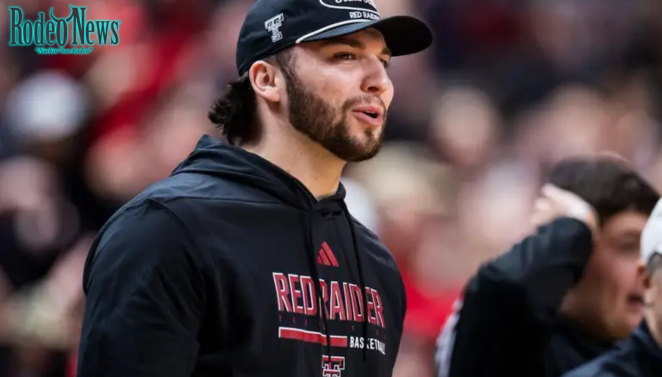
Rising Star Suddenly Steps Away
Brendan Sorsby was expected to be one of the most exciting players in college football this season. After transferring from the University of Cincinnati, he quickly became the centerpiece of Texas Tech’s ambitions.
However, in a stunning development, the quarterback has taken an indefinite leave of absence to seek help for a gambling addiction. Texas Tech Red Raiders confirmed that Sorsby is entering a residential treatment program, emphasizing that his health and recovery are the top priority.
Reports indicate that the decision came amid mounting scrutiny over his past betting activity, which is now under formal investigation.
NCAA Investigation Raises Serious Concerns
At the heart of the Brendan Sorsby gambling case is an ongoing probe by the National Collegiate Athletic Association.
According to multiple reports, Sorsby allegedly placed thousands of bets through online gambling platforms over several years. Some of these bets reportedly date back to 2022, when he was playing at Indiana.
Critically, the NCAA strictly prohibits athletes from betting on both college and professional sports. Even wagering on games they are not directly involved in can lead to severe penalties.
So far, there is no evidence that Sorsby attempted to influence game outcomes. However, simply participating in sports betting as an athlete is considered a major violation of NCAA rules.
5 Shocking Facts About the Case
1. Thousands of Bets Under Investigation
Investigators are examining reports that Sorsby placed a significant number of wagers over time. These bets were reportedly made through a mobile app, raising questions about how such activity went undetected.
2. Bets Included College Football Games
Some of the wagers allegedly involved games from his time at Indiana. While reports suggest he did not bet on games he personally played in, even betting on his team is a serious violation.
3. Eligibility Could Be at Risk
The NCAA has strict rules regarding gambling. Violations can result in suspensions or even permanent loss of eligibility, depending on the severity of the case.
4. Multi-Million Dollar Stakes
Sorsby’s transfer to Texas Tech reportedly involved a lucrative NIL deal worth millions of dollars. The investigation now raises questions about whether he will ever play under that agreement.
5. Immediate Focus on Recovery
Despite the controversy, Texas Tech officials and coaches have publicly supported Sorsby’s decision to seek treatment, framing it as a critical step for his long-term well-being.
Texas Tech Faces Uncertain Future
The timing of the Brendan Sorsby gambling scandal could not be worse for Texas Tech. The team had high expectations heading into the 2026 season, with Sorsby projected as a key leader.
Now, the program faces uncertainty at the quarterback position. Backup options are limited, and the team may need to quickly adjust its strategy.
Head coach Joey McGuire has emphasized support for Sorsby, stating that the program is focused on his recovery rather than immediate football concerns.
Still, the competitive implications are significant. Losing a starting quarterback of Sorsby’s caliber could dramatically alter the team’s trajectory.
The Bigger Issue: Gambling in College Sports
The Brendan Sorsby gambling case reflects a broader challenge facing college athletics. As sports betting becomes more accessible across the United States, the risk of violations has increased.
Student-athletes are particularly vulnerable due to their proximity to games and insider information. Even small bets can compromise the integrity of competition.
The NCAA has attempted to address this issue through strict regulations and education programs. However, cases like this suggest that enforcement and awareness may still fall short.
Experts argue that more proactive measures are needed, including better monitoring systems and stronger support for athletes dealing with addiction.
Legal and Financial Implications
Beyond NCAA penalties, Sorsby’s situation could also have legal and financial consequences.
Reports indicate that his previous school, the University of Cincinnati, has already taken legal action related to his transfer and NIL agreement. The gambling investigation could further complicate those proceedings.
Additionally, sponsorship deals and endorsements tied to his athletic performance may be affected. Companies often include clauses related to conduct, meaning violations could lead to financial losses.
Mental Health Takes Center Stage
Amid the controversy, one aspect of the story has drawn widespread support: Sorsby’s decision to seek help.
Gambling addiction is a serious issue that can affect anyone, including elite athletes. By entering a treatment program, Sorsby has taken an important step toward recovery.
Texas Tech has emphasized the importance of mental health, urging the public and media to respect his privacy during this time.
This approach reflects a growing recognition within sports that mental health challenges must be addressed openly and compassionately.
What Happens Next?
The future of the Brendan Sorsby gambling case will depend largely on the outcome of the NCAA investigation.
Key questions include:
- Will Sorsby face suspension or permanent ineligibility?
- How will Texas Tech adjust its roster and strategy?
- Could this case lead to broader reforms in college sports?
The investigation is ongoing, and a final decision could take months.
Conclusion
The Brendan Sorsby gambling scandal is more than just a personal story—it is a defining moment for college athletics. It highlights the risks associated with the rapid expansion of sports betting and the challenges of maintaining integrity in a changing landscape.
As Sorsby focuses on recovery, the NCAA and Texas Tech must navigate the complex consequences of this case. The outcome will not only shape one player’s future but could also influence how college sports address gambling for years to come.