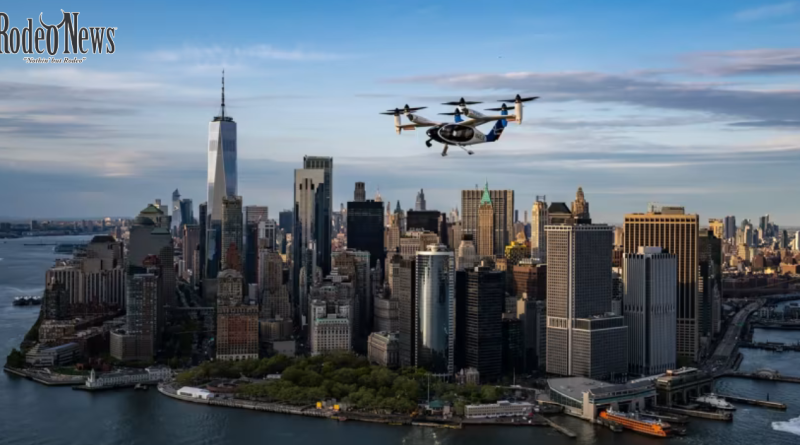
Electric Air Taxis NYC: A New Era of Urban Travel Begins
The future of transportation is no longer a distant dream. In a groundbreaking development, electric air taxis NYC are now taking flight, offering a glimpse into a faster, cleaner, and more efficient way to travel across one of the world’s busiest cities.
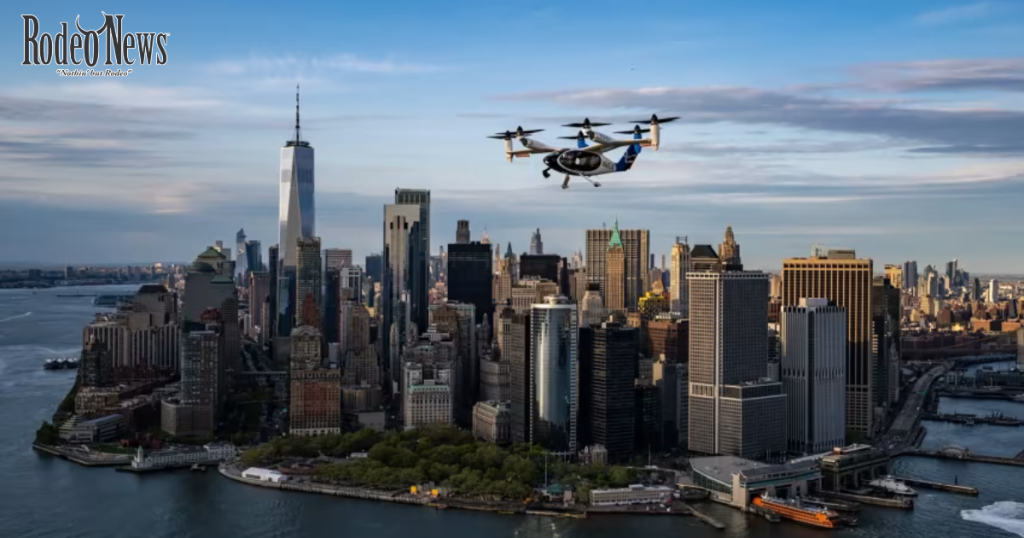
Recent demonstration flights in New York City show that passengers could soon travel between Manhattan and John F. Kennedy International Airport in under 10 minutes—dramatically cutting down journeys that often take over an hour by car.
This milestone marks a significant step toward integrating advanced air mobility into everyday urban life.
Electric air taxis, also known as eVTOL (electric vertical takeoff and landing) aircraft, are designed to operate like helicopters but with quieter, cleaner, and more efficient technology.
These aircraft take off vertically, transition into forward flight, and land without requiring long runways. Powered entirely by electricity, they produce zero operating emissions and significantly less noise compared to traditional helicopters.
Typically, these air taxis can carry four passengers and a pilot, making them ideal for short urban routes such as airport transfers.
NYC’s First Real-World Air Taxi Flights
New York City has become one of the first major urban centers to test electric air taxis in real-world conditions.
During recent demonstrations, aircraft operated by Joby Aviation successfully flew between Manhattan heliports and JFK Airport. The flights are part of a broader initiative led by the Federal Aviation Administration (FAA) to test and regulate next-generation aviation technologies.
The program aims to evaluate how these futuristic aircraft can safely integrate into existing airspace while meeting strict regulatory standards.
According to officials, the goal is clear:
- Reduce travel time dramatically
- Ease traffic congestion
- Provide a sustainable alternative to ground transportation
One of the biggest advantages of electric air taxis NYC is speed.
Currently, traveling from Manhattan to JFK Airport can take anywhere from 60 to 120 minutes depending on traffic. With air taxis, that journey could be reduced to less than 10 minutes.
This dramatic reduction in travel time could revolutionize how people move within cities, especially in high-density areas where congestion is a daily challenge.
Experts believe that most demand for air taxis will come from trips that typically exceed 30 minutes on the ground—precisely the kind of journeys common in New York.
A Cleaner, Quieter Alternative
Beyond speed, sustainability is a major driver behind the development of electric air taxis.
Unlike traditional helicopters that rely on fossil fuels, these aircraft are powered by batteries, meaning they produce no direct emissions during operation. This aligns with global efforts to reduce carbon footprints and combat climate change.
Additionally, the aircraft are designed to be much quieter, addressing one of the biggest concerns associated with urban aviation—noise pollution.
This combination of low noise + zero emissions positions electric air taxis as a more environmentally friendly solution for future cities.
Who Is Behind the Technology?
The company leading these NYC demonstrations is Joby Aviation, a California-based aerospace firm specializing in electric aircraft.
Joby has partnered with several major players, including airlines and ride-sharing companies, to build a seamless transportation ecosystem.
These partnerships could allow passengers to book air taxi rides through familiar apps, integrating air travel into everyday commuting.
The company is currently in the final stages of certification with the FAA, a critical step before commercial operations can begin.
How Much Will It Cost?
While pricing has not been finalized, early estimates suggest that air taxi rides could be comparable to premium ride-sharing services.
In other words, the cost may initially resemble an Uber Black fare, making it accessible but still positioned as a premium option.
However, as production scales and technology matures, prices are expected to decrease—potentially making air taxis more widely available to the general public.
Challenges Still Ahead
Despite the excitement, several challenges remain before electric air taxis become a common sight in NYC skies.
1. Regulatory Approval
The FAA must certify these aircraft for commercial use, ensuring they meet strict safety standards.
2. Infrastructure Development
Cities will need to build “vertiports”—designated takeoff and landing areas—to support widespread operations.
3. Public Acceptance
While the concept is exciting, some residents may have concerns about safety, noise, and airspace congestion.
4. Scalability
Expanding from limited pilot programs to full-scale operations will require significant investment and coordination.
The Bigger Picture: Urban Air Mobility
Electric air taxis are part of a broader movement known as urban air mobility (UAM).
This concept envisions a future where cities use the airspace above them to move people and goods efficiently, reducing reliance on congested roads.
Governments and private companies worldwide are investing heavily in this technology, seeing it as a key solution to urban transportation challenges.
New York’s pilot program could serve as a model for other cities looking to adopt similar systems.
What Happens Next?
The current test flights are part of a multi-day campaign designed to gather real-world data.
This information will help regulators develop the rules needed to safely integrate air taxis into everyday operations.
If all goes according to plan, commercial services could begin within the next few years—bringing the era of flying taxis closer than ever before.
The introduction of electric air taxis NYC signals a turning point in how cities approach transportation.
What once seemed like science fiction—flying across a city in minutes—is now becoming reality.
While challenges remain, the successful demonstration flights show that the technology is not only viable but rapidly advancing.
In the coming years, commuters may look up and see a network of quiet, electric aircraft moving seamlessly across the skyline—transforming urban mobility forever.