South Carolina Measles Outbreak Ends After 997 Cases
The South Carolina measles outbreak has officially come to an end after infecting 997 people, marking one of the most severe outbreaks in the United States in decades. Health authorities confirmed the milestone after more than six weeks passed without any new reported cases, signaling that transmission has been successfully contained.
While the announcement offers relief, experts warn that the underlying causes of the outbreak—particularly declining vaccination rates—continue to pose a serious public health risk.
A Historic Outbreak in Modern America
The South Carolina measles outbreak began in October 2025 and quickly escalated into a major health crisis. Over a six-month period, the virus spread rapidly, ultimately reaching nearly 1,000 confirmed cases.
This made it the largest single-location measles outbreak in the United States since the disease was declared eliminated in 2000.
The outbreak was heavily concentrated in Spartanburg County, where low vaccination rates created ideal conditions for transmission. Health officials reported that more than 90% of cases occurred in this region.
At least 21 people required hospitalization, underscoring the seriousness of the disease.
Why the Outbreak Spread So Fast
Measles is one of the most contagious viruses known. It spreads through airborne particles and can linger in the air for up to two hours after an infected person leaves an area.
However, the rapid spread of the South Carolina measles outbreak was largely driven by one key factor: low vaccination coverage.
Health data showed that approximately 93% of infected individuals were unvaccinated, highlighting a significant gap in community protection.
To prevent outbreaks, public health experts say at least 95% of a population must be vaccinated—a threshold known as herd immunity. When vaccination rates fall below this level, the virus can spread quickly through communities.
Children at the Center of the Crisis
Children were the most affected group during the South Carolina measles outbreak.
A large proportion of cases occurred among school-aged children, particularly those between 5 and 17 years old.
Schools became major transmission hubs. In response, authorities implemented strict measures, including:
- Temporary quarantines
- Exclusion of unvaccinated students
- Enhanced health monitoring
In total, hundreds of students were quarantined across dozens of schools during the peak of the outbreak.
How Officials Contained the Outbreak
Containing the South Carolina measles outbreak required an aggressive and coordinated response from public health agencies.
Mass Vaccination Campaigns
Authorities administered more than 81,000 measles vaccine doses, representing a significant increase compared to previous years.
This surge in vaccinations played a critical role in slowing transmission.
Contact Tracing and Isolation
Health teams worked to identify and isolate exposed individuals quickly. This helped prevent further spread in high-risk areas.
Public Awareness Efforts
Officials launched campaigns to educate residents about measles symptoms, risks, and the importance of vaccination.
School Interventions
Strict policies in schools helped limit transmission among children, who were most vulnerable.
Together, these measures successfully broke the chain of infection.
When Was the Outbreak Declared Over?
The South Carolina measles outbreak was officially declared over after 42 consecutive days without new cases.
This timeframe represents two full incubation periods for measles, which is the standard benchmark used by epidemiologists to confirm that an outbreak has ended.
The last reported case occurred in mid-March 2026, and officials waited until late April to make the official announcement.
A Warning Sign for the United States
Although the South Carolina measles outbreak is over, the broader situation in the United States remains concerning.
Nationally, measles cases are rising again. Thousands of cases have been reported across multiple states in recent years, with several ongoing outbreaks in 2026.
Public health experts warn that the U.S. could lose its measles elimination status if outbreaks continue at this pace.
This resurgence reflects a troubling trend: declining vaccination rates combined with growing vaccine hesitancy.
Why Measles Is Still Dangerous
The South Carolina measles outbreak highlights the risks posed by a disease many people consider a relic of the past.
Measles can cause:
- High fever
- Severe rash
- Pneumonia
- Brain inflammation (encephalitis)
In rare cases, it can be fatal.
The virus is especially dangerous for young children, pregnant women, and individuals with weakened immune systems.
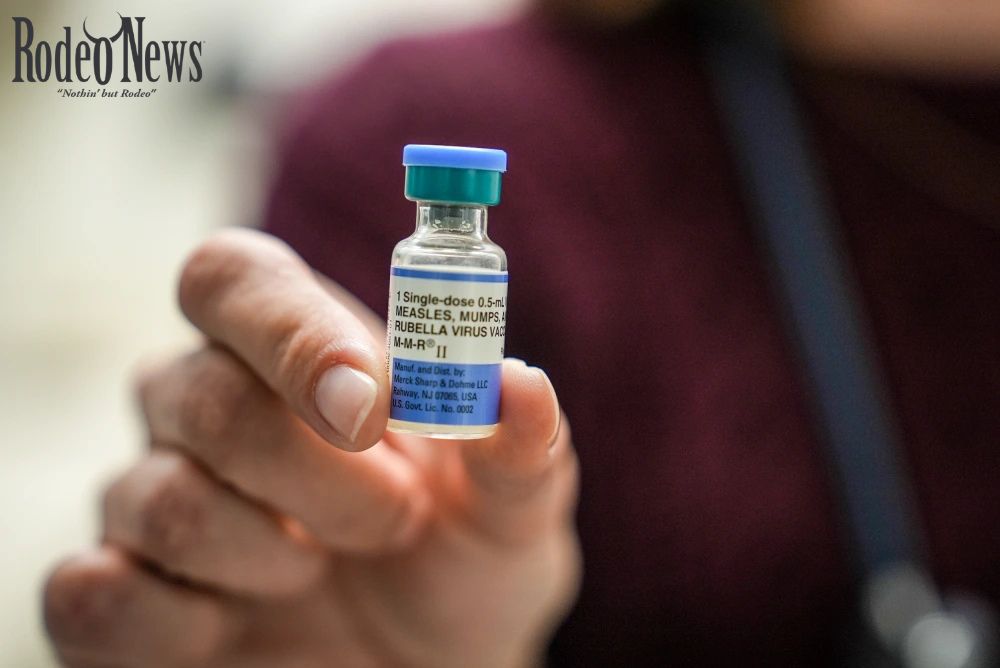
Fortunately, measles is preventable. Two doses of the measles vaccine provide about 97% protection against infection.
The Role of Vaccine Hesitancy
One of the most significant lessons from the South Carolina measles outbreak is the impact of vaccine hesitancy.
In communities where misinformation has spread, vaccination rates have declined. This creates pockets of vulnerability where diseases can re-emerge.
Experts stress that rebuilding trust in vaccines is essential to preventing future outbreaks.
Economic and Social Impact
Beyond the health consequences, the South Carolina measles outbreak had a measurable economic impact.
The response cost the state an estimated $2.1 million, including expenses related to:
- Emergency healthcare services
- Vaccination campaigns
- Public health staffing
Additionally, families and schools experienced significant disruption, with quarantines affecting daily life across communities.
Lessons for the Future
The South Carolina measles outbreak offers several key lessons:
Prevention Is Essential
Vaccination remains the most effective way to prevent outbreaks.
Rapid Response Matters
Early intervention can significantly reduce the spread of disease.
Community Engagement Is Critical
Public cooperation plays a vital role in controlling outbreaks.
Vigilance Must Continue
Even after an outbreak ends, the risk of new cases remains.
What Comes Next?
With the South Carolina measles outbreak now officially over, health officials are focusing on long-term prevention strategies.
These include:
- Increasing vaccination coverage
- Strengthening public health systems
- Combating misinformation
Meanwhile, experts continue to monitor measles activity across the country to prevent future outbreaks.
Conclusion
The end of the South Carolina measles outbreak marks a major public health achievement. However, it also serves as a warning.
Declining vaccination rates have allowed a preventable disease to resurface on a large scale. While this outbreak has been contained, similar events could occur again if vaccination coverage does not improve.
Ultimately, the message from health experts is clear: maintaining high vaccination rates is essential to protecting communities and preventing future outbreaks.