Iran Talks Revealed: Trump’s Shocking “Call Us” Move
The fragile state of Iran talks took another unexpected turn this week after U.S. President Donald Trump said Tehran could simply “call” Washington if it wanted to negotiate. The remark highlights a shift toward unconventional diplomacy between the two long-time rivals.
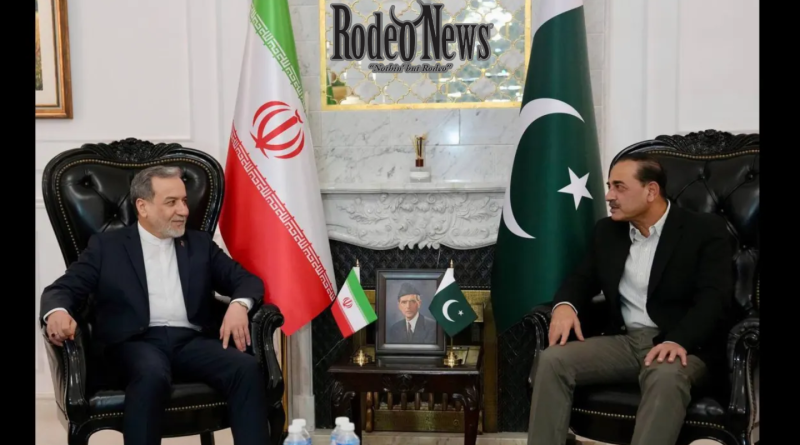
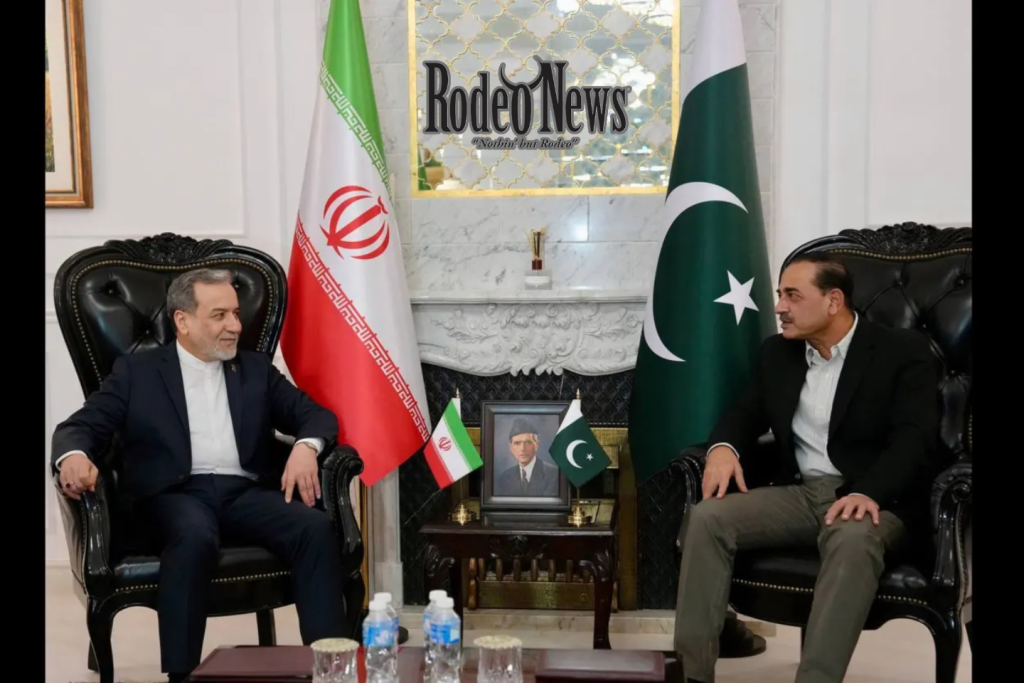
At the same time, Iran’s top diplomat Abbas Araghchi briefly returned to Pakistan, reinforcing its role as a key intermediary. These developments show both urgency and dysfunction in one of the most volatile geopolitical crises of 2026.
Trump’s “Call Us” Strategy Reshapes Iran Talks
In a blunt statement, Donald Trump made it clear that the U.S. is no longer prioritizing traditional diplomacy.
“They can come to us, or they can call us,” he said, signaling that communication channels remain open—but only on simplified terms.
This statement came after U.S. officials canceled a planned diplomatic trip to Pakistan. That meeting had been expected to advance Iran talks, but its cancellation suggests a clear shift in strategy.
Instead of face-to-face negotiations, Washington now appears to favor a remote-first approach. As a result, the responsibility to restart discussions now falls on Tehran.
Abbas Araghchi’s Pakistan Visit Keeps Iran Talks Alive
Despite the setback, Abbas Araghchi returned briefly to Pakistan, signaling that diplomatic efforts are still ongoing.
Pakistan has become a vital bridge in Iran talks, hosting indirect negotiations and relaying proposals between both sides.
However, progress remains limited.
Earlier discussions in Islamabad failed to produce results. Both Washington and Tehran continue to hold firm positions, especially regarding nuclear policy and regional security.
Still, Araghchi’s presence suggests Iran is not stepping away from diplomacy entirely.
Why Iran Talks Broke Down
Several key disputes continue to block progress in Iran talks.
1. Nuclear Program Disputes
The United States insists Iran must never develop nuclear weapons. This demand has been repeated consistently by Donald Trump.
Meanwhile, Iran argues it has the right to enrich uranium for peaceful purposes. This disagreement remains one of the biggest obstacles.
2. Strait of Hormuz Tensions
The Strait of Hormuz plays a crucial role in global oil supply.
Iran’s influence over this route has added pressure to negotiations. While Tehran has suggested reopening the passage under conditions, no agreement has been reached.
3. Deep Diplomatic Mistrust
Years of tension have created deep mistrust between both sides.
The cancellation of direct talks has only made things worse. As a result, rebuilding confidence has become increasingly difficult.
Shift Toward Remote Diplomacy in Iran Talks
Trump’s “call us” comment signals a broader transformation in diplomacy.
Instead of traditional summits, the U.S. is now leaning toward:
- Direct secure communication
- Faster negotiation timelines
- Less reliance on formal meetings
This method may improve efficiency. However, it also removes the personal interaction that often builds trust in Iran talks.
Fragile Ceasefire Raises Pressure
The stalled Iran talks come during a fragile ceasefire after weeks of tension.
The conflict has already triggered major global effects:
- Oil prices have increased
- Shipping routes face disruption
- Financial markets show volatility
Even though fighting has paused, the situation remains unstable. Any small escalation could reverse progress quickly.
Pakistan and Regional Powers Take the Lead
With direct negotiations paused, regional players are stepping in.
Pakistan has become a central mediator in Iran talks, facilitating communication between Washington and Tehran.
At the same time, Iran is expanding outreach to:
- Oman
- Russia
This multi-channel diplomacy shows how complex the situation has become.
Trump’s Dual Strategy in Iran Talks
Donald Trump is combining pressure with limited openness.
On one side, the U.S. continues:
- Military positioning
- Economic pressure
- Diplomatic isolation
On the other, Trump’s invitation to “call” shows that Iran talks are still possible.
This dual approach aims to force Iran into concessions while keeping negotiations alive.
Can Iran Talks Still Succeed?
The future of Iran talks now depends on several key factors.
Will Iran Make the First Move?
The U.S. has made it clear that Tehran must initiate contact.
Can Mediators Deliver Progress?
Countries like Pakistan and Oman may play decisive roles.
Is Compromise Possible?
Without flexibility, negotiations are unlikely to move forward.
Global Impact of Iran Talks
The outcome of these Iran talks will affect the entire world.
If successful, diplomacy could:
- Stabilize oil markets
- Reduce global tensions
- Strengthen economic confidence
However, failure could lead to renewed conflict and economic disruption.
The Bottom Line
The latest developments show that Iran talks are at a critical turning point.
Donald Trump’s unconventional strategy reflects both frustration and tactical flexibility. Meanwhile, Abbas Araghchi’s continued diplomacy highlights ongoing efforts behind the scenes.
For now, uncertainty remains.
But in a crisis of this scale, even a simple phone call could reshape global stability.