Prediction Markets U.S. Regulation: A New Turning Point
Prediction Markets U.S. Regulation is rapidly becoming one of the most debated topics in Washington, as lawmakers and regulators move to address the explosive growth of platforms allowing users to bet on real-world outcomes. From elections to geopolitical developments, these markets are reshaping how people forecast the future—while raising serious legal and ethical concerns.
The increasing popularity of prediction markets has pushed U.S. authorities into action. Officials are now working to define clear rules that could determine whether these platforms belong in the financial system, the gambling industry, or somewhere in between.
Meanwhile, industry players argue that prediction markets provide valuable insights. However, critics warn they could undermine democratic systems and encourage unethical behavior.
What Are Prediction Markets and Why They Matter
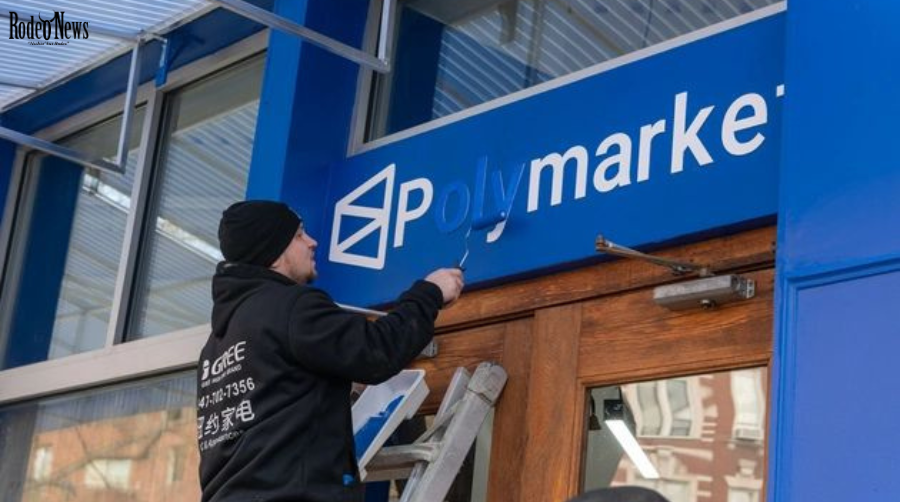
Prediction markets are platforms where participants trade contracts based on the outcome of future events. These can include election results, economic indicators, or even global conflicts.
Supporters claim these markets are more accurate than traditional polling. The reasoning is simple: when money is involved, people are more likely to act on informed beliefs rather than opinions.
However, the rise of prediction markets has introduced new challenges. Unlike traditional financial products, these platforms often deal with sensitive or politically charged topics.
As a result, regulators are now questioning whether prediction markets should be treated as financial instruments, gambling platforms, or something entirely new.
Washington’s Growing Concern Over Prediction Markets U.S. Regulation
In recent months, policymakers have intensified discussions around Prediction Markets U.S. Regulation. The central issue revolves around jurisdiction.
The Commodity Futures Trading Commission (CFTC) has taken the lead in overseeing certain platforms. It argues that prediction markets fall under derivatives trading.
However, several states and lawmakers disagree. They believe these platforms resemble gambling and should be regulated accordingly.
This disagreement has created a legal gray area. Companies operating in this space must navigate conflicting rules, making compliance increasingly difficult.
Moreover, the lack of clarity has opened the door for potential misuse.
Ethical Risks Driving Regulatory Action
One of the main drivers behind Prediction Markets U.S. Regulation is the growing list of ethical concerns.
Critics argue that allowing people to bet on elections or government decisions could distort behavior. For instance, individuals with insider knowledge might profit unfairly.
Even more troubling is the possibility of manipulation. If large sums of money are involved, participants could attempt to influence outcomes rather than simply predict them.
These risks have prompted calls for stricter oversight.
Furthermore, there is concern that prediction markets could normalize the idea of profiting from sensitive events, such as political instability or public crises.
High-Profile Cases Fueling the Debate
Recent incidents have intensified scrutiny on the industry. Lawmakers are increasingly worried about insider trading within prediction markets.
In one notable case, allegations surfaced that individuals used privileged information to place highly profitable bets. While investigations are ongoing, such events have raised alarms in Washington.
These developments have accelerated discussions around Prediction Markets U.S. Regulation. Policymakers now face pressure to act quickly before the industry grows beyond control.
At the same time, companies operating these platforms insist they are implementing safeguards. However, regulators remain skeptical.
Proposed Rules and Potential Restrictions
Washington is now considering several approaches to regulate prediction markets.
One proposal involves banning contracts related to elections and government actions altogether. Supporters argue that democracy should not be treated as a financial asset.
Another option is stricter compliance requirements. Platforms could be required to implement identity verification, transparency measures, and anti-manipulation safeguards.
Additionally, regulators may impose limits on who can participate. For example, individuals with access to sensitive information could be barred from trading.
These measures aim to strike a balance between innovation and accountability.
The Industry’s Defense: Innovation vs Regulation
Despite growing pressure, prediction market companies are pushing back against heavy regulation.
They argue that these platforms offer valuable insights into public sentiment. Some even claim prediction markets are more reliable than traditional forecasting methods.
From a business perspective, the industry sees itself as part of the broader financial ecosystem. Companies believe that overregulation could stifle innovation and drive users to unregulated offshore platforms.
However, critics remain unconvinced. They argue that the risks outweigh the benefits, particularly when it comes to political events.
This tension between innovation and regulation lies at the heart of the debate.
Impact on Elections and Democracy
Perhaps the most controversial aspect of Prediction Markets U.S. Regulation is its connection to elections.
Allowing people to bet on political outcomes raises serious questions. Could financial incentives influence voter behavior? Could campaigns be affected by market trends?
Some experts warn that prediction markets could create a feedback loop. If a candidate appears to be losing in the market, it could discourage voter turnout.
On the other hand, supporters argue that these markets simply reflect public opinion.
Regardless of perspective, the potential impact on democracy cannot be ignored.
Global Context: How Other Countries Handle Prediction Markets
The United States is not alone in facing these challenges. Other countries have taken different approaches to prediction markets.
Some nations have banned them entirely, citing concerns over gambling and political interference. Others allow limited forms under strict regulation.
This global variation highlights the complexity of the issue.
For the U.S., the challenge lies in creating a framework that protects consumers while allowing innovation to thrive.
What Happens Next for Prediction Markets U.S. Regulation
The future of Prediction Markets U.S. Regulation remains uncertain. However, one thing is clear: change is coming.
Lawmakers are expected to introduce new legislation aimed at clarifying the legal status of these platforms. At the same time, regulatory agencies may expand their oversight.
For companies, this means adapting to a rapidly evolving landscape. Compliance will become increasingly important as rules take shape.
For users, the changes could affect what types of contracts are available—and who can participate.
Conclusion: A Defining Moment for the Industry
Prediction Markets U.S. Regulation marks a critical turning point for an industry at the intersection of finance, technology, and politics.
While these platforms offer exciting possibilities, they also present significant risks. From insider trading to democratic integrity, the stakes are high.
As Washington moves forward, the decisions made today will shape the future of prediction markets for years to come.
Ultimately, the goal is to find a balance—one that allows innovation to continue while safeguarding public trust.