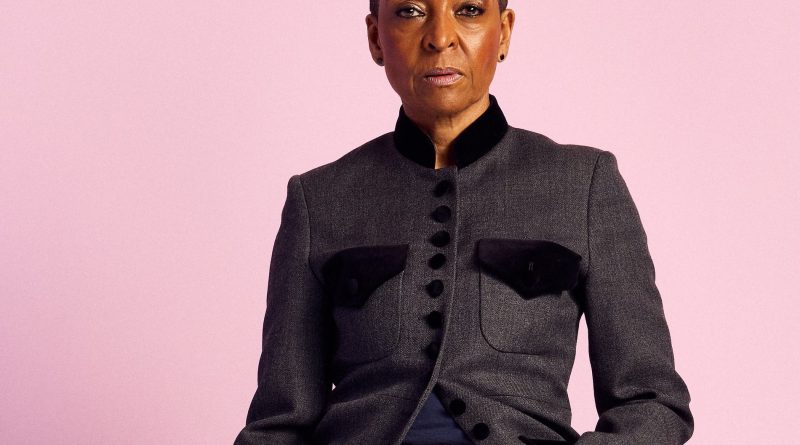
The residency was not just ceremonial. Instead, it became a platform for Andoh to explore how classical theatre intersects with modern social issues, particularly diversity, equity, and inclusion (DEI).
Reflecting on her experience, Andoh described an emotional connection to Shakespeare’s works and archives, noting the significance of engaging with such material in the political heart of the United States.
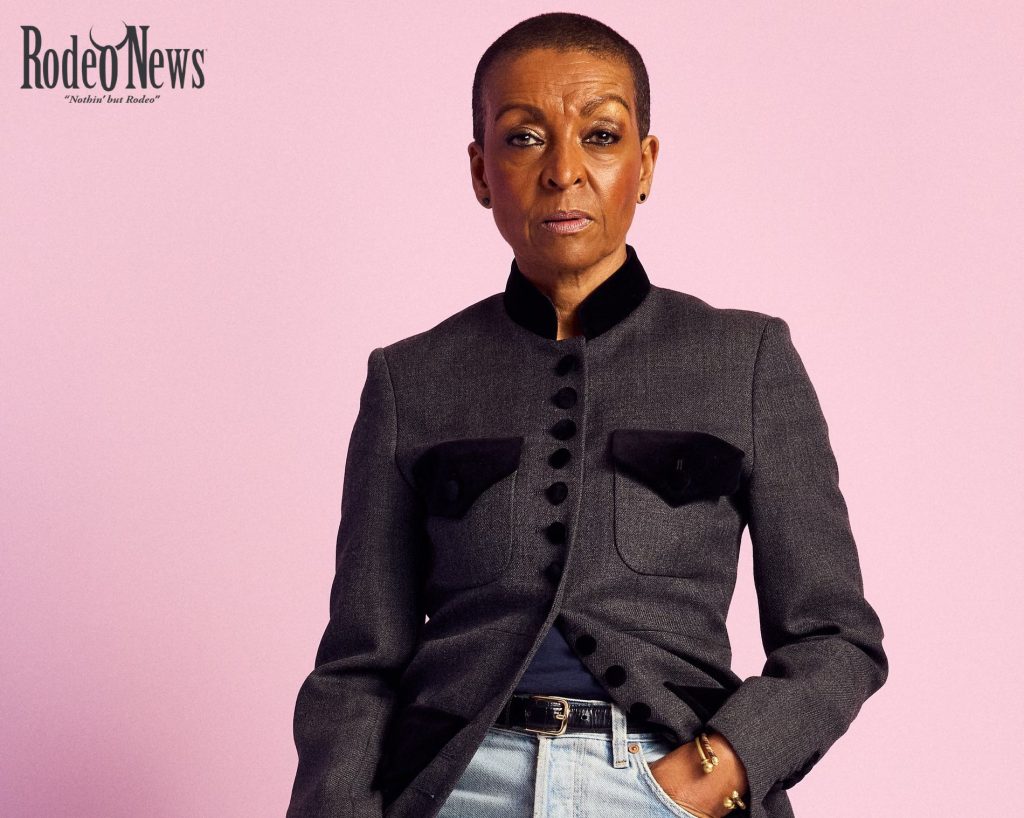
“I Don’t Have to Be the Only One in the Room”
One of the most striking moments from her discussion centered on a simple yet powerful idea: belonging.
Andoh recalled working on projects where, for much of her career, she often found herself as the only person of color in the room. That experience, she explained, subtly changes how individuals think, behave, and even perform.
“I don’t have to be the only one in the room,” she said, describing the emotional impact of working in more inclusive environments.
This statement captures a core issue within DEI conversations: representation is not just about numbers. It is about removing the psychological burden that comes with isolation.
When diverse teams are present, Andoh emphasized, creatives can focus purely on excellence rather than navigating identity-based pressures.
Bridgerton and the Shift in Casting Culture
The global success of Bridgerton has played a significant role in reshaping public perceptions of historical storytelling. The series presents an alternative version of Regency-era England, where racial diversity exists within the aristocracy.
Andoh highlighted how the show has influenced casting practices across the industry, helping normalize the presence of actors of color in roles traditionally reserved for white performers.
This shift, often described as “color-conscious casting,” challenges long-standing norms in theatre and television. However, Andoh made it clear that progress is not automatic.
Instead, she argued that the real barrier is not talent but imagination—specifically among decision-makers responsible for hiring and production.
Shakespeare Through a Modern Lens
As a seasoned Shakespearean actor and director, Andoh has consistently pushed boundaries in how classical works are interpreted. Her 2019 production of Richard II, featuring an all-women-of-color cast, stands as a landmark example of inclusive storytelling.
According to Andoh, Shakespeare’s works remain highly relevant because they explore universal themes such as power, identity, and conflict. These themes, she argued, can and should be interpreted through diverse perspectives.
Rather than treating diversity as an add-on, Andoh advocates for integrating it into the core of artistic vision. This approach not only enriches performances but also broadens audience engagement.
Breaking the “Silos” of Identity
Another key theme in Andoh’s remarks was the idea of societal “silos.” She pointed out that audiences and industries often categorize work as “Black” or “color-centric,” limiting how it is perceived.
In reality, she argued, such labels are imposed rather than inherent. A story told by a Black artist is not automatically confined to a single perspective—it is simply a story shaped by lived experience.
This insight challenges a common misconception within DEI discourse: that diversity narrows storytelling. On the contrary, Andoh suggests it expands it.
The Emotional Impact of Inclusive Collaboration
One of the most revealing aspects of Andoh’s discussion was her description of working within an all-women-of-color production. She recalled how the experience brought many participants to tears—not out of sadness, but relief.
For the first time, they were able to fully immerse themselves in their craft without the added pressure of representing an entire demographic.
This environment, she explained, allowed everyone involved to focus on excellence—whether in acting, directing, or technical roles—without distraction.
Such moments highlight why DEI initiatives matter beyond symbolism. They directly influence the quality of creative output.
DEI Beyond Buzzwords
In recent years, DEI has become a widely used term across industries. However, Andoh’s insights suggest that its implementation in the arts remains inconsistent.
She emphasized that true inclusion requires more than policy statements or one-off initiatives. It demands structural change, particularly in hiring practices and leadership roles.
Without such changes, diversity risks becoming performative rather than transformative.
The Political and Cultural Context
Andoh’s residency took place during a politically charged period in Washington, D.C., adding another layer of significance to her remarks.
The intersection of art and politics is not new, but Andoh’s work demonstrates how theatre can serve as a powerful medium for reflection and dialogue.
By revisiting historical texts through a contemporary lens, artists can address current issues while preserving cultural heritage.
Why Representation Still Matters
Despite progress, Andoh’s reflections make it clear that representation remains an ongoing challenge. Many industries, including theatre and film, still struggle with equitable opportunities.
However, her optimism lies in the growing recognition of diverse talent and the increasing willingness of audiences to embrace new perspectives.
The success of productions like Bridgerton suggests that inclusive storytelling is not only socially important but also commercially viable.
The Future of Inclusive Storytelling
Looking ahead, Andoh envisions a future where diversity is no longer a topic of debate but a standard practice.
In this future, casting decisions are driven by creativity rather than convention. Stories are judged by their impact rather than the identities of those who tell them.
Achieving this vision will require continued effort from both industry leaders and audiences. However, as Andoh’s work demonstrates, meaningful change is already underway.
Conclusion
The Adjoa Andoh DEI conversation is more than a moment—it is part of a broader movement redefining the arts. Through her work in Shakespearean theatre and mainstream television, Andoh continues to challenge assumptions and expand possibilities.
Her message is clear: diversity is not a limitation but a strength. By embracing it fully, the creative industry can unlock new levels of storytelling, authenticity, and excellence.
As audiences become more open to diverse narratives, the question is no longer whether change will happen—but how far it will go.