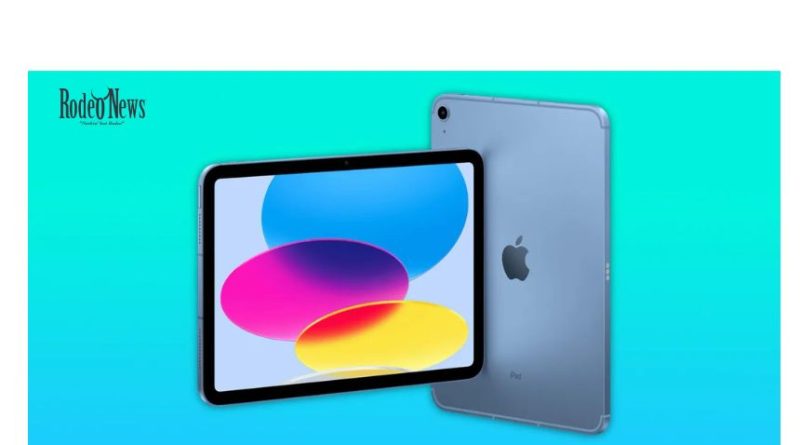
iPad Naming Scheme Revealed: 5 Big Changes Coming
Apple may be preparing one of its most subtle yet impactful changes to its product lineup: a complete rethink of the iPad naming scheme. While hardware upgrades like faster chips and improved displays usually dominate headlines, naming conventions play a crucial role in how consumers understand and choose devices.
A new report suggests that Apple could abandon its long-standing numbering system for iPads, replacing it with a more modern, chip-based naming approach. This shift could redefine how users identify and compare devices across Apple’s ecosystem.
A Long-Standing Naming Problem
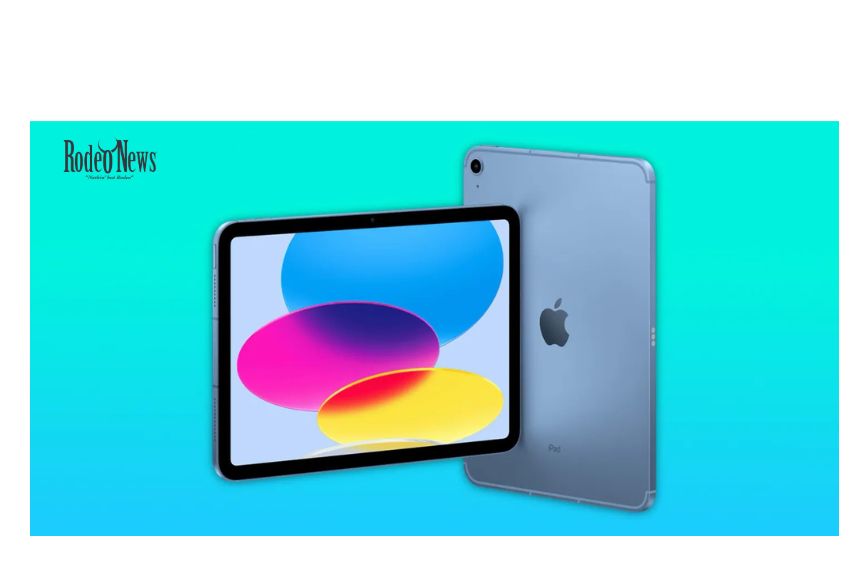
For years, Apple has struggled with consistency in naming its base iPad models. Initially, the company used straightforward generation numbers—such as “iPad (9th generation)” or “iPad (10th generation).” However, this system often confused buyers, especially when compared to more clearly branded products like the iPad Air or iPad Pro.
That confusion appears to have reached a turning point. Apple already began experimenting with a new approach by dropping generation numbers entirely for a recent base model and instead branding it simply as “iPad (A16).”
This move signals a possible long-term strategy rather than a one-off decision.
Why Apple May Drop Numbers Entirely
The traditional numbering system comes with several drawbacks:
- It doesn’t clearly communicate performance differences
- It becomes harder to track over time
- It feels outdated compared to modern branding trends
By contrast, using chip names—such as A16 or A18—instantly tells users how powerful a device is.
According to the report, this approach “makes the performance clear to consumers,” highlighting a key advantage of the new iPad naming scheme.
In simple terms, an “iPad (A18)” is easier to understand than “iPad (12th generation).”
The Influence of Apple’s Software Strategy
This potential shift doesn’t exist in isolation. Apple has already begun overhauling its naming strategy across software platforms.
For example, instead of continuing sequential numbering like iOS 19, Apple jumped to iOS 26, aligning software versions with calendar years.
This change reflects a broader effort to simplify and unify branding across devices.
However, it also introduces a new challenge: mismatched naming between hardware and software. Running iOS 26 on an iPhone 18—or an iPad with a generation number—can feel inconsistent and confusing.
A chip-based iPad naming system could help resolve that disconnect.
What the Next iPad Could Be Called
If Apple follows through with this strategy, future iPads may adopt names based on their internal processors.
For example:
- iPad (A18)
- iPad (A19)
- iPad Air (M4)
- iPad Pro (M5)
This aligns with existing naming patterns already used in Macs, where chips like M1, M2, and M3 define product generations.
Reports indicate that the next base iPad is expected to feature an A18 chip, making “iPad (A18)” a likely candidate.
Such naming would make it immediately clear how the device compares to previous models.
5 Key Changes in the New iPad Naming Scheme
1. No More Generation Numbers
Apple may completely eliminate “10th generation” or “11th generation” labels, simplifying product names.
2. Chip-Based Identity
The processor becomes the defining feature, making performance easier to understand at a glance.
3. Better Alignment with Macs
MacBooks already use chip-based branding. Extending this to iPads creates consistency across product lines.
4. Easier Consumer Decisions
Buyers can quickly compare models without needing to decode generation numbers.
5. Future-Proof Branding
Chip-based naming scales better as Apple releases more frequent updates.
How This Affects Buyers
For everyday consumers, the new iPad naming scheme could make shopping significantly easier.
Instead of asking:
- “Is the 10th generation better than the 9th?”
Users can simply compare chips:
- “Is A18 better than A16?”
The answer becomes obvious without requiring deep technical knowledge.
This clarity is especially important as Apple continues to introduce advanced features like AI-powered tools and “Apple Intelligence,” which rely heavily on newer chips.
The Bigger Picture: Apple’s Branding Evolution
Apple’s potential shift reflects a broader trend toward simplicity and clarity in product naming.
Over the years, the company has experimented with various naming strategies:
- Numbers (iPhone 14, iPad 10th gen)
- Descriptors (Air, Pro, Mini)
- Chip-based branding (M1, M2 Macs)
Now, Apple appears to be consolidating these approaches into a more unified system.
The introduction of unique names like “MacBook Neo” also shows Apple is willing to break tradition when it improves clarity or marketing appeal.
Potential Downsides of the New System
While the new naming approach offers many advantages, it’s not without risks.
1. Learning Curve
Consumers unfamiliar with Apple chips may initially find names like “A18” confusing.
2. Marketing Challenges
Numbers are simple and universal. Chip names require some level of technical understanding.
3. Transition Period Confusion
During the shift, older models with generation numbers will coexist with newer chip-based names.
However, these challenges are likely temporary as users adapt to the new system.
What This Means for the Future of iPads
Looking ahead, the new iPad naming scheme could pave the way for even bigger changes.
As Apple continues to push iPads closer to laptop-level performance, clearer naming becomes essential. Future devices are expected to include:
- More powerful chips (A18, A19, beyond)
- Enhanced AI capabilities
- Improved connectivity and efficiency
Reports suggest that upcoming iPads will focus heavily on performance upgrades rather than design changes, making chip-based naming even more relevant.
Industry Impact: Will Others Follow?
Apple often sets trends that ripple across the tech industry. If this naming strategy proves successful, other manufacturers may adopt similar approaches.
We could see:
- Android tablets using chip-based names
- Laptops emphasizing processors over model numbers
- Greater focus on performance transparency
This would mark a shift in how consumers evaluate devices—not by generation, but by capability.
Final Thoughts
Apple’s potential move to a chip-based iPad naming scheme may seem like a small change, but it carries significant implications.
By removing generation numbers and focusing on performance-driven branding, Apple is simplifying its product lineup while aligning it with its broader ecosystem strategy.
For consumers, this means clearer choices, easier comparisons, and a more intuitive understanding of what each device offers.
If the next iPad does launch as “iPad (A18),” it won’t just be a new tablet—it will signal a new era in how Apple defines its products.