Linux Laptop Sales Surge: A Surprising Shift in the PC Market
The Linux laptop sales surge is no longer a niche phenomenon—it’s becoming a measurable shift in consumer behavior. A recent report highlighted that new laptops from Framework Computer are selling faster in their Linux configuration than their Windows versions, signaling a notable change in the personal computing landscape.
For decades, Microsoft Windows dominated the laptop ecosystem. However, this latest development suggests that users—particularly developers, enthusiasts, and privacy-conscious buyers—are increasingly choosing Linux-powered machines. The trend may still be emerging, but its implications could reshape the future of PC manufacturing and software ecosystems.
Framework’s Linux Laptop Outsells Windows Version
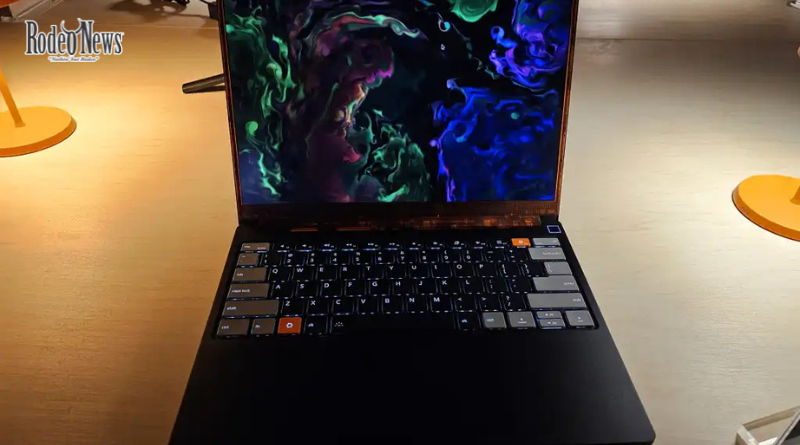
The latest buzz centers around the newly launched Framework Laptop 13 Pro, a modular, repairable device designed with flexibility in mind. According to recent reports, the Ubuntu (Linux) version of the laptop is outperforming its Windows counterpart in sales.
Early batches of the device reportedly sold out quickly, with Linux configurations leading demand.
This marks a rare moment in modern computing history. Traditionally, Windows laptops dominate retail shelves because most consumers rely on pre-installed systems. In contrast, Linux has long been associated with manual installation and technical expertise.
Framework’s strategy flips that narrative by offering a fully supported, pre-installed Linux experience—something that industry experts have long argued is essential for broader adoption.
Why Linux Laptop Sales Are Rising
1. Pre-Installed Linux Removes Barriers
One of the biggest obstacles to Linux adoption has been accessibility. Historically, users had to install Linux themselves, which discouraged mainstream audiences.
Now, companies like Framework Computer are offering laptops with Linux pre-installed and optimized. This eliminates technical friction and makes Linux viable for everyday users.
Experts have long noted that the lack of pre-installed Linux systems is a major reason for its low market share.
By addressing this issue directly, Framework is unlocking a previously untapped market.
2. Growing Frustration With Windows
Another driver behind the Linux laptop sales surge is dissatisfaction with Windows. The transition to Windows 11 has been slower than expected, with many users hesitant to upgrade due to hardware requirements and usability concerns.
Reports show that adoption of Windows 11 lagged significantly, only overtaking Windows 10 years after its release.
Additionally, concerns about ads, telemetry, and system performance have pushed some users to explore alternatives. Linux, with its open-source nature and minimal overhead, presents an attractive option.
3. Superior Linux Compatibility and Performance
Framework has positioned its new laptop as a premium Linux machine, even describing it as a “MacBook Pro for Linux users.”
The Framework Laptop 13 Pro includes:
- High-resolution 13.5-inch display (2880 × 1920)
- Intel Core Ultra processors
- Up to 64GB RAM
- Modular upgrade support
- Long battery life with a 74Wh battery
More importantly, the hardware is optimized for Linux compatibility—something many traditional laptops lack.
Linux users often face driver issues or incomplete support on standard hardware. Framework addresses this by designing components specifically with Linux in mind, ensuring a smoother out-of-the-box experience.
4. Rise of Developer and Tech Enthusiast Demand
The surge in Linux laptop sales is also fueled by developers, engineers, and IT professionals. These users often prefer Linux for its flexibility, control, and performance.
Linux powers a vast portion of modern infrastructure—from servers to supercomputers—making it a natural choice for technical users.
As remote work and software development continue to grow globally, demand for Linux-compatible machines is increasing.
Communities have also praised Framework’s laptops for performance and battery life, further boosting demand.
5. Modular Design and Sustainability Appeal
Another key factor behind the Linux laptop sales surge is Framework’s unique approach to hardware.
Unlike traditional laptops, Framework devices are:
- Fully repairable
- Upgradeable over time
- Designed to reduce electronic waste
Users can swap components such as RAM, storage, and even the motherboard, extending the device’s lifespan significantly.
This aligns with growing consumer interest in sustainability and “right to repair” initiatives.
In a market where most laptops are sealed and disposable, Framework’s approach stands out—and resonates strongly with Linux users, who often value openness and control.
The Bigger Picture: Is Linux Finally Going Mainstream?
While Linux still represents a small share of desktop operating systems, momentum is building.
Estimates suggest Linux usage has gradually increased, especially as dissatisfaction with traditional systems grows.
Several factors are contributing to this shift:
- End of support for older Windows versions
- Rising hardware costs
- Increased privacy awareness
- Improved Linux user experience
Additionally, new Linux distributions are becoming more user-friendly, making the transition easier for non-technical users.
Industry Implications
The success of Linux configurations in Framework laptops could influence the broader PC industry.
Historically, major manufacturers have been hesitant to offer Linux pre-installed due to perceived low demand. However, this trend challenges that assumption.
If demand continues to grow, other companies may follow suit by:
- Offering more Linux pre-installed options
- Improving hardware compatibility
- Supporting open-source ecosystems
This could create a more competitive landscape, breaking the long-standing dominance of Windows in consumer PCs.
Challenges Still Remain
Despite the momentum, Linux faces several challenges:
- Limited availability in retail channels
- Software compatibility gaps (especially for gaming and professional tools)
- Lack of mainstream awareness
Many users still rely on Windows-specific applications, making switching difficult.
However, these barriers are gradually diminishing as cloud-based tools and cross-platform software become more common.
What This Means for Consumers
For buyers, the Linux laptop sales surge means more choice and flexibility.
Consumers now have access to:
- High-quality Linux laptops with full support
- Devices optimized for performance and privacy
- Sustainable, upgradeable hardware
This shift empowers users to choose an operating system that aligns with their needs—rather than defaulting to Windows.
Conclusion: A Turning Point for Personal Computing?
The rapid sales of Linux-powered laptops from Framework Computer may represent more than just a niche trend—it could signal a turning point in personal computing.
With improved accessibility, better hardware support, and growing dissatisfaction with traditional systems, Linux is gaining ground in a space it has long struggled to penetrate.
While it may not replace Windows overnight, the current trajectory suggests that Linux is no longer an afterthought in the laptop market.
Instead, it’s becoming a serious contender.