Iran Talks Resume: Shocking Shift Without Vance
The latest development in the ongoing geopolitical crisis has captured global attention as Iran talks resume, but notably without U.S. Vice President JD Vance. The absence of one of Washington’s most prominent negotiators signals a significant shift in diplomatic strategy, raising fresh questions about the future of negotiations and the fragile ceasefire in the region.
As tensions between the United States and Iran remain high, the resumption of talks—this time through indirect channels—reflects both cautious optimism and deep-rooted mistrust between the two adversaries.
A New Phase of Diplomacy Begins
The renewed diplomatic effort is set to take place in Pakistan, where U.S. envoys are traveling to engage in discussions mediated by Pakistani officials. However, Iran has made it clear that it will not participate in direct face-to-face negotiations with the United States.
Instead, Tehran plans to communicate its positions through intermediaries, signaling a reluctance to engage openly with Washington.
This approach marks a departure from earlier rounds of negotiations, where high-level officials—including Vice President Vance—were directly involved in intensive talks.
Why Vance Is Absent
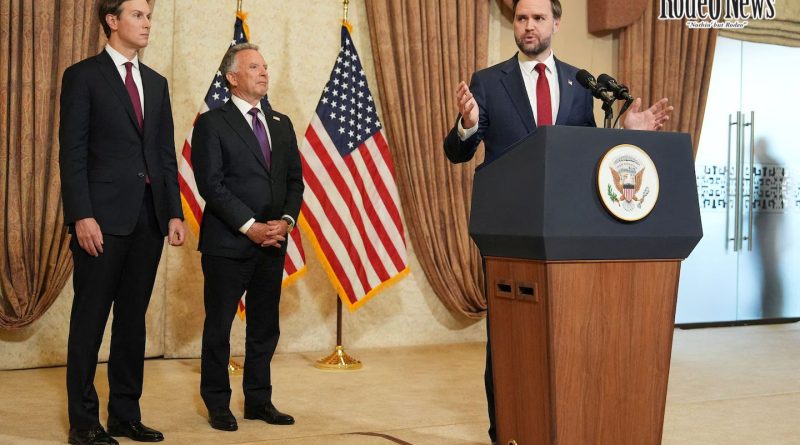
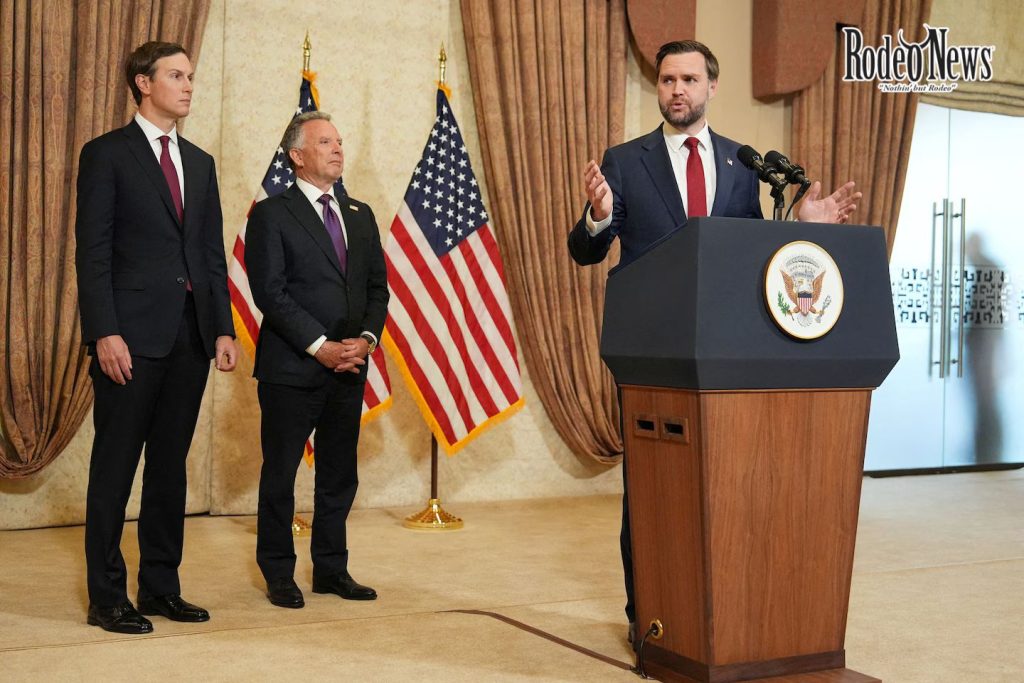
The absence of JD Vance from the current round of talks is one of the most striking elements of this development. In previous negotiations held earlier this month, Vance led the U.S. delegation during marathon discussions that lasted more than 20 hours but ultimately failed to produce a deal.
Now, the United States has opted to send a lower-profile delegation, led by special envoy Steve Witkoff and senior adviser Jared Kushner.
Officials suggest this move is strategic. By lowering the level of representation, the U.S. may be attempting to:
- Reduce political risk if talks fail
- Allow more flexibility in negotiations
- Avoid public diplomatic setbacks
At the same time, Vance remains on standby, indicating that Washington is still prepared to escalate diplomatic engagement if meaningful progress is achieved.
The Role of Pakistan as Mediator
Pakistan has emerged as a key intermediary in the renewed diplomatic effort. Acting as a neutral facilitator, Islamabad is hosting the talks and relaying messages between the two sides.
This indirect format reflects the deep mistrust that continues to define U.S.-Iran relations. While both nations have agreed to re-engage in dialogue, neither appears willing to make the first move toward direct engagement.
Historically, Pakistan has played a similar role in regional diplomacy, leveraging its strategic position to bridge communication gaps between conflicting parties.
Sticking Points Remain Unresolved
Despite the resumption of talks, major obstacles continue to hinder progress.
Nuclear Program Concerns
One of the central issues remains Iran’s nuclear ambitions. The United States has consistently demanded assurances that Iran will not develop nuclear weapons, a condition Tehran has refused to accept under current terms.
This disagreement was a key factor in the collapse of previous negotiations.
Regional Influence and Proxy Groups
Another major point of contention is Iran’s support for regional groups such as Hezbollah and Hamas. The United States has called for Iran to curb its involvement with these organizations, a demand Tehran considers unacceptable.
These issues highlight the broader geopolitical struggle between the two nations, extending far beyond nuclear concerns.
A Fragile Ceasefire in the Background
The renewed talks come amid a fragile ceasefire that has temporarily reduced hostilities in the region.
The conflict, which escalated earlier in 2026 following failed negotiations and military actions, has already had significant global consequences, including disruptions to oil supply routes and increased economic instability.
The ceasefire provides a narrow window for diplomacy, but analysts warn that it could collapse quickly if talks fail to produce tangible results.
Strategic Shift by the United States
The decision to resume talks without Vance reflects a broader shift in U.S. strategy.
Rather than pursuing high-stakes, high-profile negotiations, Washington appears to be adopting a more cautious and incremental approach. This includes:
- Delegating negotiations to envoys
- Utilizing third-party mediation
- Maintaining economic and military pressure
President Donald Trump has indicated that while the U.S. is open to negotiations, it is not in a hurry to reach a deal. This stance suggests a willingness to prolong the process in order to secure more favorable terms.
Iran’s Position: Firm but Calculated
Iran, for its part, has maintained a firm stance throughout the negotiations.
Officials have denied any internal divisions and rejected claims that they are willing to concede to U.S. demands. Instead, Tehran has emphasized its sovereignty and the need for mutual respect in any agreement.
By insisting on indirect talks, Iran is signaling both resistance and strategic caution—engaging in diplomacy without appearing to yield ground.
Global Implications of the Talks
The outcome of these negotiations carries significant implications not only for the Middle East but also for the global economy and international security.
Energy Markets
The conflict has already disrupted key oil shipping routes, particularly in the Strait of Hormuz, a critical chokepoint for global energy supplies.
Any escalation could further drive up oil prices, affecting economies worldwide.
Regional Stability
The broader Middle East remains on edge, with ongoing tensions involving Israel, Lebanon, and various armed groups.
A successful agreement could help stabilize the region, while failure could lead to renewed conflict.
International Diplomacy
The talks also reflect the evolving dynamics of global diplomacy, with countries like Pakistan playing increasingly important roles as mediators.
This shift highlights the complexity of modern geopolitical conflicts, where traditional bilateral negotiations are often supplemented by multilateral efforts.
What Happens Next?
As Iran talks resume, the path forward remains uncertain.
Key questions include:
- Will indirect negotiations lead to meaningful progress?
- Can both sides find common ground on critical issues?
- How long will the ceasefire hold?
While the current round of talks may be less dramatic than previous high-level meetings, they could prove to be a crucial step toward a broader agreement.
Conclusion: A Cautious Step Forward
The decision to resume negotiations without Vice President JD Vance marks a significant turning point in the ongoing U.S.-Iran conflict.
By shifting to a lower-profile, indirect approach, both sides appear to be testing the waters—seeking progress without committing to major concessions.
However, the challenges remain formidable. Deep-seated mistrust, conflicting priorities, and regional tensions continue to complicate the path to peace.
For now, the world watches closely as Iran talks resume, hoping that this new phase of diplomacy will bring a step closer to stability in an increasingly volatile region.