Israel Lebanon Ceasefire Extended: 3 Key Developments Shaping Peace Talks
The Israel Lebanon ceasefire has been extended for an additional three weeks, marking a critical moment in ongoing diplomatic efforts to stabilize the Middle East. Announced by U.S. President Donald Trump, the extension comes after a fragile 10-day truce and reflects growing urgency to prevent further escalation while opening a window for direct negotiations.
While the ceasefire offers a temporary pause in hostilities, the broader situation remains volatile. The extension is not just about halting violence—it is deeply tied to wider geopolitical tensions, particularly involving Iran and regional proxy conflicts.
A Fragile Pause After Weeks of Violence
The initial ceasefire between Israel and Lebanon began earlier in April following intense fighting between Israeli forces and Hezbollah militants. The conflict caused widespread destruction and displaced over a million people in Lebanon, underscoring the severity of the crisis.
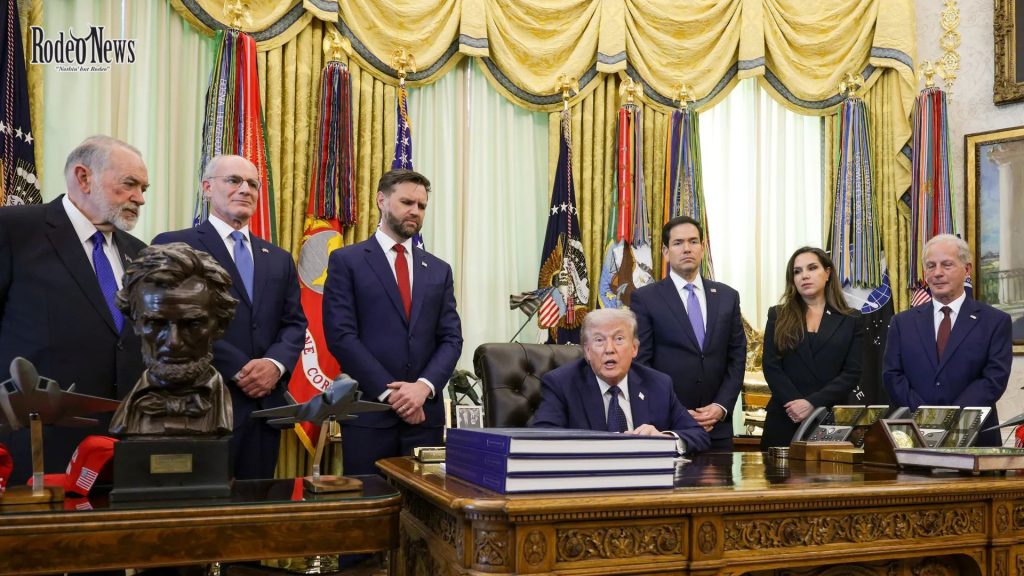
Now, with the ceasefire extended to three weeks, leaders hope to reduce immediate violence and create space for diplomacy. President Trump announced the extension after hosting Israeli and Lebanese officials in Washington, describing the talks as productive and emphasizing U.S. commitment to regional stability.
However, this truce is far from secure. Reports indicate that violations have continued on both sides, highlighting the fragile nature of the agreement.
Why the Ceasefire Matters Now
The Israel Lebanon ceasefire is not happening in isolation. It is closely linked to a broader strategy by the United States to manage escalating tensions across the Middle East, particularly with Iran.
1. Preventing a Wider Regional War
The extension aims to prevent renewed fighting that could derail sensitive negotiations between the United States and Iran.
Iran’s influence in Lebanon—primarily through its support for Hezbollah—makes the situation even more complex. Any escalation between Israel and Hezbollah risks triggering a wider regional conflict involving multiple actors.
2. Opening the Door to Direct Talks
One of the most significant goals of the ceasefire is to facilitate direct negotiations between Israel and Lebanon. Such talks are rare and historically difficult, but U.S. officials believe the current pause could create a unique diplomatic opportunity.
Trump has even suggested that leaders from both countries could meet at the White House during the ceasefire period, signaling a potential breakthrough moment.
3. Stabilizing U.S.–Iran Negotiations
The ceasefire also plays a crucial role in ongoing U.S.–Iran discussions. Washington fears that continued fighting in Lebanon could undermine fragile ceasefire talks with Tehran, especially as tensions remain high over military actions and economic sanctions.
Obstacles Threatening the Ceasefire
Despite the optimistic tone from U.S. officials, several major obstacles threaten the success of the Israel Lebanon ceasefire.
Continued Military Activity
Both Israel and Hezbollah have been accused of violating the ceasefire. Hezbollah has reportedly launched missiles, while Israel has carried out strikes it claims are defensive in nature.
These incidents risk escalating into full-scale conflict again, undermining diplomatic efforts.
Israeli Presence in Southern Lebanon
A major sticking point is Israel’s continued military presence in parts of southern Lebanon. Lebanese officials have made it clear that meaningful negotiations are unlikely as long as Israeli forces remain on their territory.
This issue is deeply tied to sovereignty and security concerns on both sides, making it one of the hardest challenges to resolve.
Hezbollah’s Role
Hezbollah, a powerful militant group backed by Iran, remains a central factor in the conflict. While the Lebanese government participates in negotiations, Hezbollah operates independently and has not formally committed to the ceasefire.
This creates uncertainty about whether the agreement can hold, especially if tensions with Iran escalate further.
The Iran Factor: A Wider Conflict
To fully understand the Israel Lebanon ceasefire, it’s essential to look at the broader regional context—particularly the ongoing tensions involving Iran.
The Middle East is currently experiencing heightened instability due to a wider conflict involving Iran and the United States. Events such as naval blockades and disruptions in the Strait of Hormuz have added economic and geopolitical pressure to the situation.
Iran’s support for Hezbollah ties the Lebanon conflict directly to this larger confrontation. As a result, any progress—or failure—in Lebanon could have ripple effects across the entire region.
Humanitarian and Economic Impact
Beyond geopolitics, the conflict has had devastating consequences for civilians.
- Over 1.2 million people displaced in Lebanon
- Significant infrastructure damage
- Rising humanitarian needs
Meanwhile, global markets are also feeling the impact. Oil prices have surged amid fears of prolonged instability, and international trade routes remain at risk due to tensions in key waterways like the Strait of Hormuz.
What Happens Next?
The next three weeks will be critical in determining whether the Israel Lebanon ceasefire leads to meaningful progress or simply delays further conflict.
Possible Outcomes
1. Diplomatic Breakthrough
If talks succeed, this could lead to:
- Direct negotiations between Israel and Lebanon
- A longer-term ceasefire agreement
- Reduced regional tensions
2. Continued Stalemate
If key issues remain unresolved:
- The ceasefire may expire without progress
- Sporadic violence could continue
- Diplomatic efforts may stall
3. Escalation
If violations increase or external tensions rise:
- Full-scale conflict could resume
- Regional war risks could intensify
A Rare Opportunity for Peace
Despite the challenges, the ceasefire represents a rare opportunity for diplomacy in a region often defined by conflict.
The United States is attempting to leverage this moment to bring long-time adversaries to the negotiating table. However, success will depend on multiple factors, including political will, military restraint, and cooperation from regional actors like Iran.
Conclusion
The extension of the Israel Lebanon ceasefire marks a pivotal moment in Middle East geopolitics. While it offers a temporary pause in violence, it also highlights the complexity of achieving lasting peace.
With ongoing tensions, competing interests, and fragile trust between all parties involved, the path forward remains uncertain.
However, the coming weeks could determine whether this ceasefire becomes a stepping stone toward stability—or just another brief interruption in a long-running conflict.