
Trail Blazers Owner Shocking Cheap Moves Revealed
The Trail Blazers owner cheap moves controversy has quickly become one of the most talked-about stories in the NBA. Just weeks after taking control of the Portland Trail Blazers, new owner Tom Dundon is facing intense scrutiny from fans, analysts, and media alike.
His approach—marked by noticeable cost-cutting decisions—has triggered a wave of online criticism. Meanwhile, others argue that his strategy reflects a modern, business-first mindset in professional sports.
So what exactly is happening, and why has it sparked such a strong reaction?
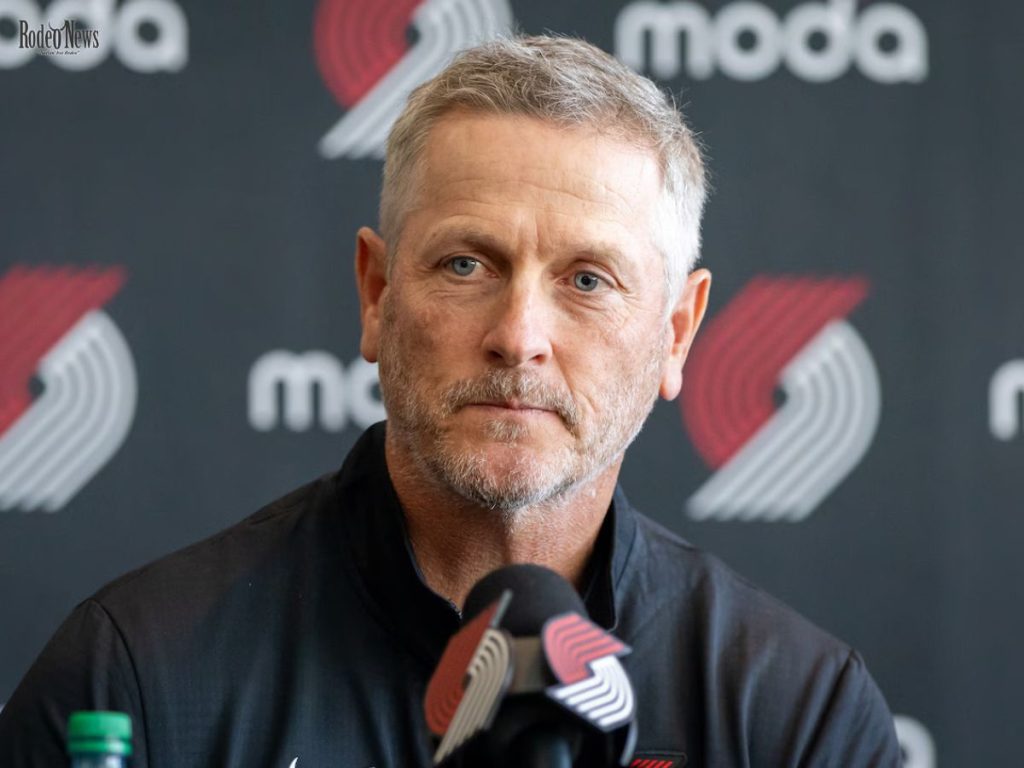
A New Era Begins With Controversy
When Dundon purchased the Portland Trail Blazers for a reported $4.25 billion, expectations were high. Typically, new ownership signals aggressive investment, bold roster moves, and a renewed push for championship contention.
However, the early days of Dundon’s tenure have told a different story. Instead of big spending, the franchise has become associated with financial restraint.
This shift has surprised many observers. In a league where teams regularly exceed luxury tax thresholds to stay competitive, even small cost-saving measures can stand out.
As a result, the phrase Trail Blazers owner cheap moves has quickly gained traction across social media and sports commentary platforms.
The Decisions That Sparked Backlash
Several specific moves have fueled the narrative surrounding Dundon’s ownership style.
Limited Travel for Players
One of the most widely discussed decisions involved not bringing two-way contract players on certain road trips during the playoffs.
While technically within league rules, the move raised eyebrows. Playoff games are critical, and teams typically ensure full support for players regardless of roster status.
No Free Playoff Merchandise
Another surprising decision was the absence of free playoff T-shirts for fans attending games.
Traditionally, these giveaways are a staple of NBA playoff culture. They help build atmosphere, unify the crowd, and enhance the fan experience.
Removing them, even as a cost-saving measure, sent a message that many fans interpreted negatively.
Conservative Coaching Budget
Reports also suggest that the organization is operating with a relatively tight budget when searching for a new head coach.
In a competitive coaching market, this could limit the team’s ability to attract top-tier candidates.
Operational Cost Reductions
Beyond high-profile decisions, smaller operational cuts—such as reduced travel accommodations—have also contributed to the perception of excessive frugality.
Internet Reaction Goes Viral
It didn’t take long for the internet to react.
Fans across platforms like X (formerly Twitter), Reddit, and sports forums began sharing memes, jokes, and sarcastic commentary.
Some posts exaggerated the situation for humor, portraying Dundon as a billionaire obsessed with saving every possible dollar. Others expressed genuine concern about the direction of the franchise.
The viral nature of these reactions amplified the controversy. What might have remained a niche discussion quickly became a mainstream sports story.
Importantly, humor became a key part of the conversation. While criticism was present, much of the reaction leaned toward satire—highlighting how modern sports discourse often blends analysis with entertainment.
Supporters Defend the Strategy
Despite the criticism, not everyone sees Dundon’s approach as a problem.
Some analysts argue that his actions reflect a disciplined, efficiency-driven mindset. In an era where franchise valuations are skyrocketing, controlling costs could be seen as a smart long-term strategy.
NBA Commissioner Adam Silver has also suggested that different ownership styles are part of the league’s evolution. Not every team needs to follow the same spending patterns to succeed.
Supporters believe that:
- Financial discipline can improve long-term stability
- Not all spending translates to success
- Innovation in management strategies should be encouraged
From this perspective, the Trail Blazers owner cheap moves narrative may be overly simplistic.
The Risk to Team Culture
However, critics point out that the NBA is not just a business—it is also a relationship-driven environment.
Players, coaches, and staff often evaluate organizations based on how they are treated. Small details, such as travel arrangements or playoff perks, can influence morale and perception.
If players begin to feel that the organization prioritizes savings over support, it could impact:
- Player retention
- Free agent recruitment
- Locker room chemistry
These factors are difficult to quantify but can significantly affect on-court performance.
Comparing to Other Ownership Models
Dundon’s approach stands in contrast to many other NBA owners.
Teams like the Golden State Warriors and Los Angeles Clippers have embraced aggressive spending, often exceeding financial limits to remain competitive.
This raises an important question:
Can a cost-conscious model succeed in a league dominated by high spending?
There is no clear answer yet. Some smaller-market teams have found success through careful management and player development. However, sustained championship contention often requires significant financial investment.
A Reflection of Broader Trends
The situation also reflects broader trends in professional sports.
As franchise values continue to rise, ownership groups are increasingly focused on profitability and efficiency.
This shift can lead to tension between business priorities and fan expectations.
Fans often expect teams to:
- Invest heavily in talent
- Enhance the game-day experience
- Demonstrate a commitment to winning at all costs
When those expectations are not met, backlash is almost inevitable.
Media Amplification and Public Perception
Another key factor in this story is the role of media amplification.
In today’s digital landscape, even minor decisions can become major headlines.
Social media platforms accelerate the spread of narratives, often shaping public perception before full context is available.
In the case of the Trail Blazers owner cheap moves controversy, the combination of:
- Viral memes
- Media coverage
- Fan frustration
has created a powerful narrative that may be difficult to reverse.
What Happens Next?
The long-term impact of Dundon’s decisions will ultimately depend on results.
If the Trail Blazers perform well, the criticism may fade. Winning has a way of reshaping narratives in sports.
However, if the team struggles, the current controversy could become a defining storyline of his ownership.
Key factors to watch include:
- Coaching hires
- Player development
- Free agency decisions
- Overall team performance
These elements will determine whether Dundon’s approach is seen as innovative or misguided.
The Balance Between Business and Basketball
At its core, this situation highlights a fundamental tension in modern sports:
the balance between financial discipline and competitive ambition.
Running an NBA team requires both business acumen and a deep understanding of the game’s culture.
Too much focus on cost-cutting can alienate players and fans. On the other hand, unchecked spending can create financial instability.
Finding the right balance is one of the biggest challenges for any owner.
Conclusion
The Trail Blazers owner cheap moves controversy is about more than just a few cost-cutting decisions. It reflects broader questions about how NBA teams should be run in an era of skyrocketing valuations and evolving expectations.
Tom Dundon’s approach has sparked debate, drawn criticism, and generated widespread attention. Whether it ultimately proves successful remains to be seen.
For now, one thing is certain:
All eyes are on Portland, and every decision will continue to be closely watched.