EU Ukraine Loan Approved: 90B Deal Revealed
The long-anticipated EU Ukraine Loan Approved decision is expected to mark a pivotal moment in Europe’s financial and political support for Kyiv, as the European Union moves closer to finalizing a massive €90 billion assistance package. The loan, which had faced months of political hurdles, is now poised for approval, signaling renewed unity within the bloc and a strategic commitment to Ukraine’s survival amid its ongoing war with Russia.
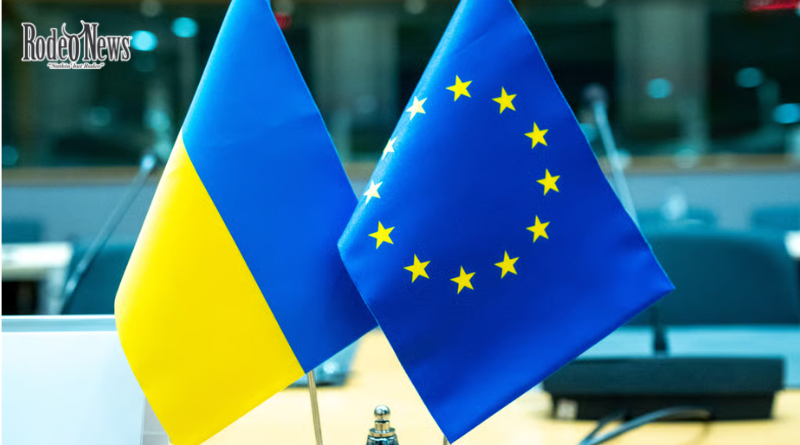
European officials indicated that a positive decision could come as early as Wednesday, reflecting growing momentum behind the financial lifeline.
A Critical Financial Lifeline for Ukraine
The €90 billion loan is designed to cover Ukraine’s financial needs for 2026 and 2027, ensuring that the country can continue functioning economically while sustaining its defense against Russian aggression.
This funding is not merely symbolic. It is expected to support both Ukraine’s general budget and military requirements, helping stabilize public services while reinforcing frontline operations.
European leaders have emphasized that the package represents more than just economic assistance. It is a strategic signal to Moscow that the EU remains committed to Ukraine for the long term.
According to EU foreign policy chief Kaja Kallas, the loan demonstrates that Russia will not outlast Ukraine, reinforcing confidence among allies and investors alike.
Political Breakthrough After Months of Deadlock
For months, the approval process was stalled due to internal EU disagreements, most notably opposition from Hungary. Former Prime Minister Viktor Orbán had repeatedly blocked the package, linking his veto to disputes over energy supplies and broader geopolitical concerns.
Hungary’s position was closely tied to disruptions in the Druzhba oil pipeline, which supplies Russian oil to Central Europe. The country argued that Ukraine’s handling of the pipeline crisis justified withholding support.
However, the political landscape shifted dramatically following Hungary’s recent election. Orbán’s defeat removed a major obstacle, allowing EU leaders to move forward with the loan.
His successor has indicated a willingness to cooperate with EU initiatives, effectively clearing the path for approval.
This political change has been widely viewed as a turning point, transforming what was once a contentious issue into a near-consensus decision.
Structure and Purpose of the €90 Billion Package
The loan will be financed through EU borrowing on capital markets and backed by the EU budget. Unlike traditional aid, it is structured as a long-term financial instrument with unique repayment conditions.
Notably, repayment is expected to be linked to future reparations from Russia, aligning with broader international efforts to hold Moscow financially accountable for the war.
The funds will be distributed across key areas:
- Military support to strengthen Ukraine’s defense capabilities
- Budgetary assistance to maintain government operations
- Economic stabilization to prevent financial collapse
Reports indicate that a significant portion of the loan will be allocated to defense spending, including procurement of weapons and equipment.
Timeline: When Will Ukraine Receive the Funds?
With the EU Ukraine Loan Approved process nearing completion, attention is turning to the timeline for disbursement.
Officials suggest that the first tranche could be delivered by late May or early June 2026, providing immediate relief to Ukraine’s strained finances.
The funds will be distributed in stages, contingent on Ukraine meeting specific reform requirements tied to its EU accession process. These conditions are designed to ensure transparency, accountability, and alignment with European standards.
Conditions and Reform Requirements
The EU has attached a series of reforms to the loan, reflecting its broader strategy of integrating Ukraine into the European system.
Ukraine will be required to implement changes across multiple sectors, including:
- Judicial reforms to strengthen rule of law
- Anti-corruption measures
- Economic restructuring aligned with EU regulations
These conditions are part of the Ukraine Facility framework, which outlines a long-term roadmap for the country’s integration into the EU.
While these requirements may pose challenges, they are also seen as essential steps toward Ukraine’s future membership in the bloc.
Broader International Support
The EU’s €90 billion package is expected to cover roughly two-thirds of Ukraine’s total funding needs. Additional support will come from international partners such as Canada, Japan, the United Kingdom, and Norway.
This coordinated approach underscores the global nature of support for Ukraine, with Western allies working together to ensure the country’s resilience.
However, gaps remain, particularly for 2027, highlighting the need for continued international cooperation.
Strategic and Symbolic Importance
Beyond its financial impact, the EU Ukraine Loan Approved decision carries significant symbolic weight.
It sends a clear message that the European Union is capable of overcoming internal divisions to act decisively in times of crisis. It also reinforces the EU’s role as a key geopolitical player, capable of mobilizing large-scale resources to support its partners.
Moreover, the loan strengthens Europe’s defense industry by channeling funds into military production, benefiting both Ukraine and EU member states.
Challenges and Risks Ahead
Despite the positive outlook, several challenges remain.
Political Risks
While Hungary’s opposition has eased, future disagreements within the EU could still affect implementation.
Economic Pressures
The scale of the loan raises questions about long-term repayment and financial sustainability, particularly if Russian reparations do not materialize.
War Uncertainty
The ongoing conflict continues to pose unpredictable risks, which could impact how effectively the funds are used.
Nevertheless, EU leaders appear confident that the benefits outweigh the risks.
What This Means for the Future of Europe
The approval of the €90 billion loan marks a defining moment for the European Union’s foreign policy.
It demonstrates a shift toward more assertive and unified action, particularly in response to security threats on the continent.
For Ukraine, the loan represents a crucial lifeline that will help sustain its economy and defense efforts during one of the most challenging periods in its history.
For Europe, it is a test of solidarity, resilience, and strategic vision.
Conclusion
The EU Ukraine Loan Approved milestone is more than just a financial agreement—it is a powerful statement of intent.
After months of political tension and negotiation, the European Union is set to deliver one of the largest aid packages in its history, reinforcing its commitment to Ukraine and its broader geopolitical objectives.
As the first funds begin to flow in the coming months, the real impact of this decision will start to unfold—both on the battlefield and across the global political landscape.