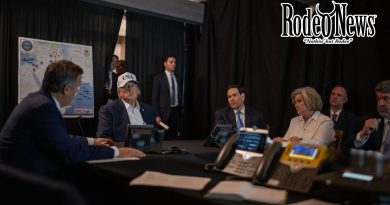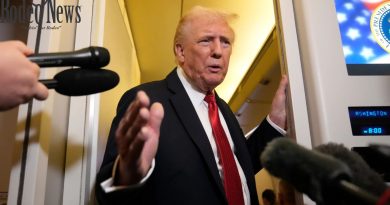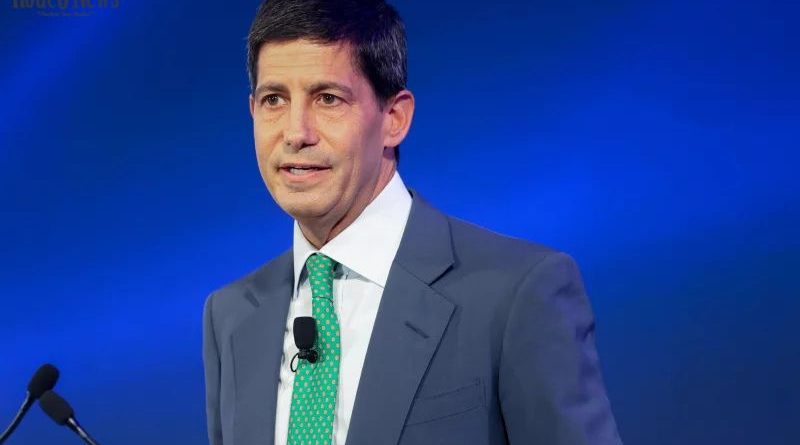
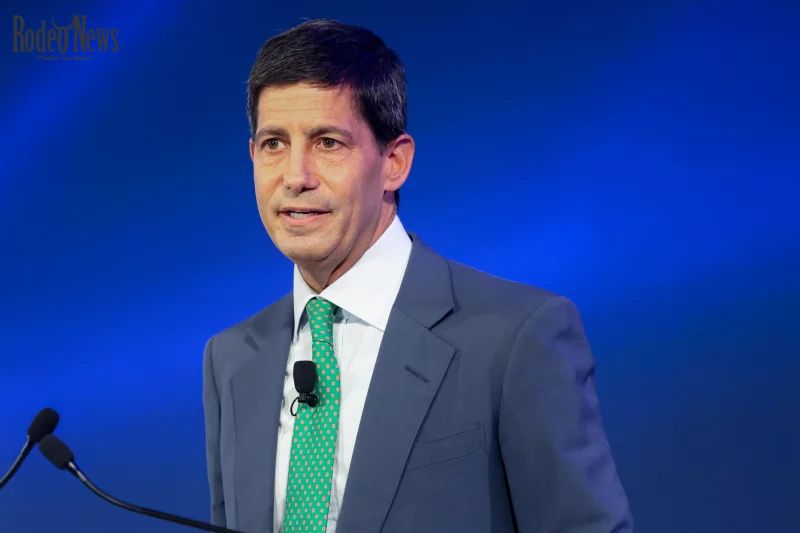
The Federal Reserve Warsh hearing has emerged as one of the most consequential economic events of 2026, drawing intense scrutiny from lawmakers, economists, and global markets. As Kevin Warsh appeared before the Senate Banking Committee, the hearing revealed deep political divisions, shifting monetary policy priorities, and growing concerns about the independence of the U.S. central bank.
Warsh, nominated to succeed Jerome Powell as chair of the Federal Reserve, faces a complex confirmation path shaped by inflation challenges, geopolitical uncertainty, and domestic political tensions.
1. Warsh Defends Federal Reserve Independence
One of the most critical moments in the Federal Reserve Warsh hearing was his firm stance on central bank independence. Warsh emphasized that monetary policy decisions must remain insulated from political pressure, even as he acknowledged the broader economic agenda of the administration that nominated him.
This position is particularly significant given ongoing concerns that political influence could shape interest rate decisions. Critics have pointed to the administration’s preference for lower rates as a potential threat to the Fed’s autonomy.
However, Warsh attempted to strike a balance. He argued that while the Fed must remain independent, it should also refocus on its core mandate: controlling inflation and maximizing employment.
2. A Push for Lower Interest Rates Sparks Debate
Another defining theme of the Federal Reserve Warsh hearing was his support for lowering interest rates. Warsh argued that advances in artificial intelligence and productivity could help contain inflation, creating room for rate cuts.
This perspective aligns with a broader economic argument that technological innovation can reduce long-term price pressures.
However, many economists remain skeptical. Critics warn that premature rate cuts could fuel speculative bubbles and destabilize financial markets. Some argue that inflation remains above the Federal Reserve’s 2% target, making immediate easing risky.
The debate highlights a fundamental divide in economic thinking—whether innovation-driven growth can safely justify looser monetary policy.
3. Political Tensions Threaten Confirmation
The Federal Reserve Warsh hearing also exposed significant political friction that could delay or derail his confirmation. While many Republicans support Warsh as a reform-minded candidate, opposition from Democrats—and even some Republicans—remains strong.
A key issue is an ongoing Justice Department investigation related to current Fed leadership. One Republican senator has vowed to block the nomination until the matter is resolved, raising the possibility of a deadlock in the Senate committee.
Meanwhile, Democrats have raised concerns about Warsh’s financial background and potential conflicts of interest. His substantial wealth and ties to financial institutions have become central points of criticism.
This political uncertainty adds another layer of complexity to an already high-stakes appointment.
4. Calls for Major Federal Reserve Reform
Beyond interest rates, Warsh used the hearing to outline a broader vision for reforming the Federal Reserve. He has criticized the institution for expanding beyond its traditional role and becoming too involved in issues like climate policy and social initiatives.
Instead, Warsh advocates for a more focused and restrained central bank.
Additionally, discussions surrounding the Fed’s massive balance sheet—currently in the trillions—have gained traction. Warsh is expected to support efforts to reduce it, though specific strategies remain unclear.
Economists suggest that regulatory adjustments could allow the Fed to shrink its holdings without disrupting financial markets, but risks remain. The outcome of these reforms could reshape the Fed’s role for years to come.
5. Economic Uncertainty Frames the Debate
The Federal Reserve Warsh hearing took place against a backdrop of significant economic uncertainty. Inflation remains elevated, global conflicts are impacting energy prices, and trade policies continue to influence market stability.
These factors make the choice of the next Fed chair particularly critical. Warsh’s decisions, if confirmed, could determine the trajectory of interest rates, economic growth, and financial markets.
Adding to the complexity, interest rate decisions are not made by the chair alone but by a committee of policymakers. This means Warsh would need to build consensus within the Federal Reserve system.
What’s Next for the Federal Reserve?
The outcome of the Federal Reserve Warsh hearing remains uncertain. While he has strong backing from key political allies, the path to confirmation is far from guaranteed.
If confirmed, Warsh would inherit a challenging economic environment and a divided policy landscape. His leadership style, policy priorities, and ability to navigate political pressures will be closely watched by markets worldwide.
At the same time, the hearing has already achieved one outcome: it has reignited a broader debate about the future of the Federal Reserve—its independence, its priorities, and its role in shaping the global economy.
Conclusion
The Federal Reserve Warsh hearing is more than a routine confirmation process—it is a defining moment for U.S. economic policy. From debates over interest rates to concerns about political influence, the hearing underscores the high stakes involved in choosing the next central bank leader.
As the process continues, one thing is clear: the decisions made in the coming weeks could have lasting implications not just for the United States, but for the global financial system.