Lyrid Meteor Shower Revealed: A Stunning Celestial Event Returns
The Lyrid meteor shower is set to captivate skywatchers this week, offering a dazzling display of up to 20 shooting stars per hour during its peak. This annual astronomical event, one of the oldest recorded in human history, is expected to reach maximum activity between April 21 and April 22, 2026, providing a rare opportunity for stargazers to witness nature’s cosmic fireworks.
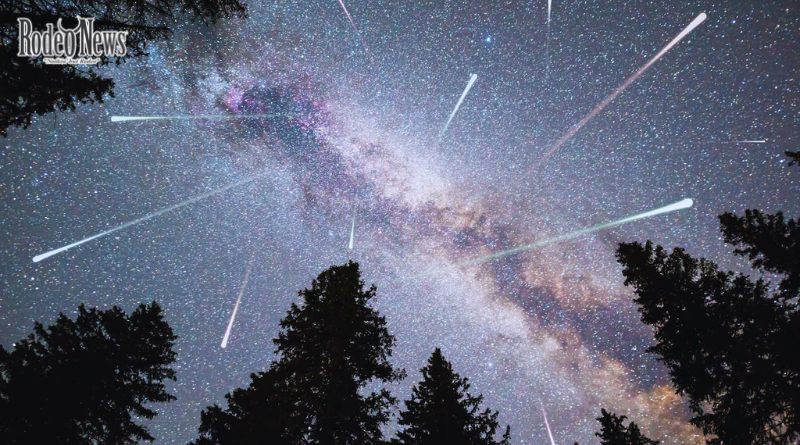
For those eager to experience the beauty of the night sky, the Lyrid meteor shower promises both accessibility and spectacle. Unlike some astronomical events that require special equipment, this one can be enjoyed with the naked eye under the right conditions.
What Is the Lyrid Meteor Shower?
The Lyrid meteor shower occurs every year when Earth passes through a trail of debris left behind by Comet C/1861 G1 (Thatcher). These tiny particles, often no larger than grains of sand, enter Earth’s atmosphere at high speeds and burn up, creating bright streaks of light commonly referred to as “shooting stars.”
This meteor shower is particularly notable for its long history. Records of the Lyrids date back more than 2,600 years, making it one of the oldest documented meteor showers still observed today.
While many meteor showers occur throughout the year, the Lyrids are often considered the first major display of the spring season in the Northern Hemisphere.
Peak Viewing: When to Watch the Lyrid Meteor Shower
The peak of the Lyrid meteor shower is expected during the night of April 21 into the early morning hours of April 22. During this time, viewers may see between 10 and 20 meteors per hour under ideal conditions.
Some forecasts suggest that rates could reach around 20 meteors per hour, making it a moderately active but visually rewarding event.
The best time to watch is typically after midnight and before dawn, when the sky is darkest and the meteor shower’s radiant point is highest in the sky.
Additionally, this year offers favorable viewing conditions due to minimal moonlight interference, allowing even faint meteors to be visible.
Where to Look in the Sky
The Lyrid meteor shower appears to originate from the constellation Lyra, near the bright star Vega. However, astronomers recommend not focusing directly on this point. Instead, observers should look at a broader section of the sky to catch the longest and brightest meteor trails.
Because meteors can streak across any part of the sky, maintaining a wide field of view significantly increases the chances of spotting them.
How to Get the Best Viewing Experience
To maximize your chances of seeing the Lyrid meteor shower, experts suggest several simple but effective strategies:
1. Find a Dark Location
Light pollution can drastically reduce visibility. Rural areas, open fields, or designated dark-sky parks are ideal for viewing meteor showers.
2. Allow Your Eyes to Adjust
It takes about 20 to 30 minutes for your eyes to fully adapt to darkness. Avoid looking at bright screens during this time.
3. Be Patient
Meteor showers are unpredictable. While you might see several meteors in quick succession, there may also be quiet periods.
4. Dress Comfortably
Since the best viewing times are late at night or early morning, bring warm clothing, a blanket, or a reclining chair for comfort.
5. No Equipment Needed
Unlike planetary observations, meteor showers do not require telescopes or binoculars. In fact, the naked eye is the best tool for observing them.
What Makes the Lyrids Unique?
Although the Lyrids are not as intense as famous meteor showers like the Perseids or Geminids, they still hold a special place in astronomy.
One of their defining features is the occasional appearance of fireballs—exceptionally bright meteors that can leave glowing trails in the sky.
In rare cases, the Lyrids have produced meteor outbursts with rates exceeding 100 meteors per hour, though such events are unpredictable and uncommon.
Their moderate speed and brightness also make them easier to spot compared to some other meteor showers.
A Celestial Event with Ancient Roots
The Lyrid meteor shower has fascinated humans for millennia. Historical records from ancient China describe a spectacular meteor storm in 687 BC, highlighting how long this phenomenon has been observed.
This deep historical connection adds an extra layer of wonder to the experience. When you watch the Lyrids, you are participating in a tradition that spans thousands of years.
Global Visibility and Viewing Conditions
The Lyrid meteor shower is visible from both the Northern and Southern Hemispheres, although viewers in the Northern Hemisphere typically enjoy better visibility due to the position of the radiant.
In regions closer to the equator, including parts of Southeast Asia, the meteor shower can still be observed, especially during the early morning hours when the sky is darkest.
Weather conditions, however, play a crucial role. Clear skies are essential, and cloud cover can significantly hinder visibility. Checking local forecasts before heading out is strongly recommended.
Why This Year’s Lyrid Meteor Shower Matters
Astronomers highlight that the 2026 Lyrid meteor shower offers particularly favorable conditions. With a crescent moon setting early in the night, the sky will remain dark during peak viewing hours, enhancing visibility.
This makes 2026 one of the better years in recent times to observe the Lyrids, especially for beginners who may be experiencing a meteor shower for the first time.
What Comes After the Lyrids?
If you miss the Lyrid meteor shower, don’t worry—more celestial events are on the horizon. The Eta Aquariids, another meteor shower associated with Halley’s Comet, will peak in early May and offer another opportunity to see shooting stars.
Each meteor shower has its own characteristics, but the Lyrids are often seen as the gateway into the year’s meteor season.
The Science Behind Shooting Stars
Meteor showers occur when Earth passes through streams of debris left by comets or asteroids. As these particles enter the atmosphere, they heat up due to friction, producing the bright streaks we see in the sky.
Despite their dramatic appearance, most meteors are tiny and completely disintegrate before reaching the ground.
This phenomenon not only creates a beautiful display but also provides scientists with valuable insights into the composition of comets and the dynamics of our solar system.
Final Thoughts: Don’t Miss This Week’s Sky Show
The Lyrid meteor shower is a reminder of the beauty and vastness of the universe. With up to 20 shooting stars per hour expected during its peak, this week presents a perfect opportunity to step outside, look up, and reconnect with the night sky.
Whether you are an experienced astronomer or simply curious about celestial events, the Lyrids offer a simple yet awe-inspiring experience accessible to everyone.
As the night unfolds and the stars begin to streak across the sky, one thing is certain: moments like these are fleeting, but the memories they create can last a lifetime.